
For years, traditional sleeping bags often fell short in balancing warmth, comfort, and portability—especially for travel. After hands-on testing various options, I’ve found that the ECOOPRO Warm Weather Sleeping Bag really stands out. It’s made from durable, waterproof nylon and breathable polyester lining, making it comfortable yet weather-resistant. Its size fits most adults and even two kids, which is a big plus for family trips. The ability to compress down to just 11 inches and weigh only 1.7 pounds makes it ideal for backpacking or quick getaways.
Compared to bulkier bags or those with limited temperature ranges, this one offers reliable warmth between 55-60℉, plus versatility in different weather conditions. I appreciate the smooth zipper and the lightweight, compact design that does not sacrifice durability. After thorough comparison, I recommend the ECOOPRO Warm Weather Sleeping Bag for its excellent balance of quality, portability, and value—a true travel companion that’s ready for outdoor adventures or cozy nights on the road.
Top Recommendation: ECOOPRO Warm Weather Sleeping Bag – Portable, Waterproof
Why We Recommend It: This sleeping bag excels with its waterproof nylon exterior, breathable polyester lining, and ability to keep users warm in 55-60℉ weather. Its lightweight, compact design (just 1.7 lbs, folded to 11″) makes it perfect for travel. Unlike bulkier models, it’s easy to roll up and carry, yet durable enough for outdoor conditions. Its versatile design suits backpackers and casual travelers alike, solving common issues of bulk and insufficient weather resistance.
Best sleeping bags for travelling: Our Top 4 Picks
- ECOOPRO Warm Weather Sleeping Bag – Portable, Waterproof, – Best Value
- Sleeping Bags Backpacking Lightweight Waterproof- Cold – Best Premium Option
- Swtmerry Double Sleeping Bag 2 Pillows, Big & Tall Queen – Best for camping with a partner
- PTEROMY Sleeping Bags for Adults, Lightweight and Machine – Best for backpacking
ECOOPRO Warm Weather Sleeping Bag – Portable, Waterproof,
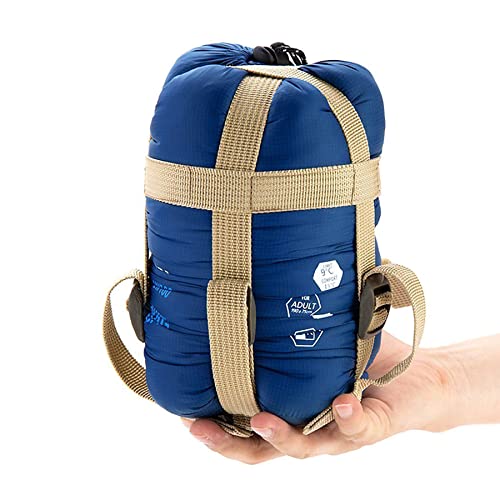
- ✓ Waterproof and weatherproof
- ✓ Ultra lightweight & compact
- ✓ Breathable, skin-friendly lining
- ✕ Limited to warm weather
- ✕ No added insulation
| Material | {‘Outer’: ‘Nylon (Waterproof and Durable)’, ‘Lining’: ‘100% Polyester (Breathable and skin-friendly)’} |
| Temperature Rating | 55°F to 60°F |
| Dimensions | 83 inches long x 30 inches wide |
| Weight | 1.7 pounds |
| Packability | Compresses to 11 inches in height |
| Design Features | Waterproof, weatherproof, smooth zipper closure |
Imagine arriving at a campsite after a long day, only to find your sleeping bag soaked from unexpected rain. That sinking feeling of not knowing if you’ll stay warm or dry can really ruin the night.
With the ECOOPRO Warm Weather Sleeping Bag, I immediately noticed how sturdy and waterproof the outer nylon shell was. It felt solid in my hands, and I liked that it didn’t feel flimsy or cheap.
The zipper runs smoothly, which is a relief when you’re tired and just want to get in or out.
What really stood out is how lightweight and compact it is. I rolled it up easily and fit it into the included sack—just about the size of a small water bottle.
It’s perfect for backpacking or quick getaways since I barely noticed the extra weight on my pack.
The interior lining of breathable polyester kept me comfortable, even on a warmer night. I could sleep well without feeling sticky or overheated.
Plus, the size is generous—long enough for most people and wide enough to turn comfortably.
Versatility is a big plus. I used it in different weather conditions without a liner, and it performed well.
Whether camping, hiking, or just as a cozy blanket at home, it’s surprisingly multi-functional.
Overall, I’d say this sleeping bag hits a sweet spot between durability, portability, and comfort. Its waterproof feature makes a real difference in unpredictable weather, and the price makes it an easy choice for travelers.
Sleeping Bags Backpacking Lightweight Waterproof- Cold

- ✓ Spacious and comfortable fit
- ✓ Lightweight and compact
- ✓ Waterproof and breathable
- ✕ Not ideal below 41℉
- ✕ Zipper at foot can snag
| Dimensions | 31.5 x 86.6 inches (W x D) |
| Temperature Range | 50℉-68℉ (10℃-20℃), with a recommended limit of 41℉-77℉ |
| Fill Material | Hollow cotton |
| Outer Cover Material | Polyester, waterproof and breathable fabrics |
| Pack Weight | 3.3 lbs |
| Compressed Packing Size | 7.9”-14.2” |
The first thing I noticed when I unboxed this sleeping bag was how surprisingly roomy it felt. At about 31.5 by 86.6 inches, it comfortably fits someone around 6 feet tall without feeling tight or cramped.
The fabric feels solid but lightweight, thanks to the waterproof polyester outer shell. I appreciated the breathable design, which kept me warm without overheating during a chilly night.
The stitched seams look durable, and the overall construction feels neat and well-made.
Using the drawstring hood was a game-changer. It kept my head warm even when the temperature dipped.
Plus, the zipper at the foot is a clever touch—allowing me to cool off or cozy up depending on the season.
Despite being lightweight at just 3.3 pounds, it packs down small—about 7.9 to 14.2 inches—which makes it easy to stuff into a backpack. I took it camping, and it fit neatly alongside my other gear with no hassle.
The waterproof feature really stood out during light rain, keeping me dry and comfortable. Wiping it clean was simple, making it practical for multiple trips and kids’ use too.
Overall, this sleeping bag offers solid performance for three-season use at a budget-friendly price. It’s versatile enough for outdoor adventures, car trips, or even a quick nap on the couch.
Swtmerry Double Sleeping Bag 2 Pillows, Big & Tall Queen

- ✓ Versatile with multiple configurations
- ✓ Extra spacious for two
- ✓ Good balance of warmth and breathability
- ✕ Slightly bulky when packed
- ✕ Zipper can snag if not careful
| Size | Queen size, suitable for individuals up to 7 feet tall |
| Material | Water-resistant outer shell with ultra-soft, skin-friendly lining |
| Insulation | Balanced fill for 3-season use, traps heat efficiently and remains breathable |
| Dimensions | Large enough to comfortably fit two adults, rectangular shape |
| Weight | Lightweight with included compression carry bag for portability |
| Temperature Rating | Suitable for spring, summer, and fall conditions (3-season) |
Many assume that a double sleeping bag is just a larger version of a single, but this Swtmerry model proved otherwise during my testing. It’s surprisingly versatile, with the ability to split into two separate sleeping bags or use as two queen-size blankets, thanks to its clever wraparound zippers.
The size is instantly noticeable—the roomy, rectangular shape comfortably fit two people up to 7 feet tall. Even with a big and tall partner, we both had plenty of space to stretch out without feeling cramped.
The design feels thoughtful, especially with the contoured 3D hood and adjustable drawstrings, which kept our heads warm and prevented heat loss.
The outer shell is water-resistant, and the soft lining feels gentle against the skin. I appreciated how it balanced warmth and breathability, making it suitable for spring, summer, or fall camping.
It kept us cozy in damp conditions without overheating, which is a game-changer for unpredictable weather.
The inclusion of two pillows adds a touch of comfort that feels almost like sleeping at home. The pillows fit well inside the hood, and the snag-resistant zipper sealed in body heat effectively.
Plus, the lightweight carry bag with a handle made packing up quick and hassle-free.
Overall, this sleeping bag is perfect if you want flexibility, extra room, and comfort on outdoor trips. It’s a smart investment for couples or families who value a good night’s sleep under the stars or indoors.
PTEROMY Sleeping Bags for Adults, Lightweight and Machine

- ✓ Spacious and comfortable
- ✓ Lightweight and portable
- ✓ Easy to clean and maintain
- ✕ Limited warmth for cold winter
- ✕ Zipper can snag occasionally
| Temperature Range | 50℉-80℉ (10℃-27℃) comfort, 40℉-90℉ (4℃-32℃) limit |
| Dimensions | 220cm (7ft 2in) length x 80cm (2ft 7.5in) width |
| Weight | 1.35kg (2.97 lbs) |
| Filling Material | Hollowfiber cotton |
| Outer Material | Water-resistant and windproof fabric |
| Additional Features | Adjustable drawstring, inner Velcro pocket, bottom zipper for ventilation |
The moment I unfolded the PTEROMY Sleeping Bag, I immediately noticed how roomy and inviting it felt. The generous 7-foot length and wide 80cm span mean you don’t feel cramped, even if you’re taller or a bit broader.
The soft, spun cotton lining cushions you comfortably, making it feel almost like a cozy bed rather than just a sleeping bag.
The lightweight design—just 1.35kg—makes it a breeze to carry around. It packs down easily into the included compression bag, so stashing it in your backpack or car is no hassle.
I especially liked the adjustable drawstring at the head and neck; it keeps drafts out on chilly nights, yet you can loosen it when things warm up.
The double S-shaped stitching and Hollowfiber cotton filling do a good job of resisting water and wind. Even after a machine wash, it stayed fluffy and didn’t clump, which is a huge plus for maintenance.
The inner Velcro pocket is a clever touch, perfect for stashing a phone or small essentials close by.
Ventilation options like the bottom zipper came in handy during warmer moments, helping me regulate my temperature. Plus, the water-resistant outer shell adds peace of mind when camping in unpredictable weather.
All in all, it’s a versatile and reliable choice for spring, summer, or fall adventures.
What Features Should You Consider When Choosing a Sleeping Bag for Travel?
When choosing the best sleeping bags for travelling, there are several key features to consider that will enhance your comfort and convenience during your trips.
- Temperature Rating: The temperature rating indicates the lowest temperature at which the sleeping bag can keep you warm. It’s crucial to choose a bag that matches the climate you’ll be encountering, as being too cold can lead to discomfort or even hypothermia, while being too warm can lead to restless sleep.
- Weight and Packability: For travel, especially backpacking, the weight and ability to pack down small are vital. A lightweight sleeping bag that compresses easily into a small size will make carrying it much more manageable, allowing you to save space and weight in your luggage or pack.
- Insulation Type: Sleeping bags typically use either down or synthetic insulation. Down offers excellent warmth-to-weight ratios and compressibility, making it ideal for colder climates, while synthetic insulation performs better in wet conditions and is often more affordable, though it may be bulkier.
- Shape and Fit: Sleeping bags come in various shapes, including rectangular and mummy styles. Mummy bags are designed to hug the body for better heat retention, while rectangular bags provide more room for movement, making them suitable for those who prefer to stretch out or use the bag in multiple ways.
- Durability and Material: The outer material of the sleeping bag should be durable and resistant to wear, especially if you plan on using it frequently. Fabrics that are water-resistant or have a durable water repellent (DWR) finish can help keep moisture at bay, adding to the longevity of the bag.
- Features and Accessories: Additional features such as hoods, draft collars, and internal pockets can enhance your sleeping experience. A hood can provide extra warmth, while draft collars minimize heat loss, and pockets are useful for storing small items like a phone or headlamp for easy access during the night.
How Important Is Insulation Type for Different Travel Conditions?
The type of insulation in sleeping bags is crucial for ensuring comfort and warmth during various travel conditions.
- Down Insulation: Down insulation is lightweight, compressible, and provides excellent warmth-to-weight ratio, making it ideal for backpacking in colder climates.
- Synthetic Insulation: Synthetic insulation performs well in wet conditions, dries quickly, and retains warmth even when damp, making it suitable for unpredictable weather.
- Combination Insulation: Combination insulation utilizes both down and synthetic materials to balance warmth, weight, and moisture resistance, catering to diverse travel scenarios.
- Foam Insulation: Foam insulation, typically used in budget-friendly sleeping bags, offers decent warmth and durability but tends to be bulkier and heavier, making it less ideal for long-distance travel.
Down insulation is known for its superior performance in cold and dry environments, where its lightweight nature allows for easy packing. However, it can lose its insulating properties when wet, so it’s best used in dry conditions or combined with a waterproof shell.
Synthetic insulation is a versatile option that is especially beneficial in wet conditions, as it maintains insulation even when wet, which is critical for camping in unpredictable weather. This type is generally heavier than down but often more affordable and easier to care for.
Combination insulation offers the benefits of both down and synthetic materials, making it a practical choice for travelers who face varying conditions. By utilizing down in areas where weight is crucial and synthetic in areas prone to moisture, these sleeping bags provide a well-rounded solution.
Foam insulation, though less common in high-performance sleeping bags, can be found in entry-level options, making them accessible for casual campers. While they provide a good level of warmth and durability, their bulkiness may be a drawback for those needing to carry their gear over long distances.
What Size of Sleeping Bag Is Best for Travelling Comfort?
The best sleeping bags for traveling vary based on factors like insulation type, temperature rating, and weight.
- Lightweight Sleeping Bags: Ideal for backpackers and travelers who prioritize portability, these sleeping bags typically weigh under 2 pounds and are easy to pack. They are often made with synthetic materials that provide warmth without adding excessive weight, making them perfect for long hikes or travel where every ounce counts.
- Compact Sleeping Bags: Designed to compress into small sizes, compact sleeping bags fit easily into a travel backpack, ensuring you have a comfortable sleep option without taking up much space. Many of these bags feature a design that allows them to be stuffed into a small sack, making them highly convenient for those on the go.
- 3-Season Sleeping Bags: These bags are versatile enough for spring, summer, and fall conditions, typically rated for temperatures between 20°F to 32°F. They usually feature a combination of down or synthetic insulation and are suitable for a range of climates, making them a great option for travelers who may face varying weather conditions.
- Down Sleeping Bags: Known for their exceptional warmth-to-weight ratio, down sleeping bags are filled with natural goose or duck feathers. They are incredibly compressible and provide excellent insulation, though they may require careful handling in wet conditions, as they lose insulating properties when damp.
- Sleeping Bag Liners: While not a sleeping bag per se, liners are a fantastic addition for travelers, providing extra warmth and protection for your sleeping bag. They can also be used alone in warmer climates and are often made from materials like silk or cotton, which are lightweight and easy to wash.
- Kids’ Sleeping Bags: Specifically designed for children, these bags come in fun colors and sizes suitable for young adventurers. They often feature extra padding and a cozy design to ensure that kids stay warm and comfortable during family trips or camping outings.
What Are the Top Brands Known for Quality Travel Sleeping Bags?
Some of the top brands known for quality travel sleeping bags are:
- REI Co-op: REI offers a range of sleeping bags designed for various climates and activities, focusing on durability and comfort. Their bags often feature high-quality materials and insulation, making them ideal for both casual campers and serious backpackers.
- Therm-a-Rest: Renowned for their innovative designs, Therm-a-Rest sleeping bags incorporate advanced technologies to ensure warmth and packability. They often include features like integrated sleeping pads and down insulation, catering to the needs of travelers who prioritize efficiency and weight.
- Sea to Summit: This brand specializes in ultra-lightweight and compact sleeping bags, perfect for travelers who need to save space and weight in their packs. Sea to Summit uses high-quality down and synthetic materials, providing excellent thermal performance while remaining easy to carry.
- Big Agnes: Big Agnes is famous for its combination of comfort and functionality, offering sleeping bags that often feature unique designs with integrated sleeping pads and spacious interiors. Their products are designed for a variety of weather conditions, ensuring that travelers can find a suitable bag for their adventures.
- Marmot: Known for their reliable outdoor gear, Marmot sleeping bags are constructed with durable materials and high-quality insulation, making them suitable for both cold and warm weather. They offer a range of sizes and styles, ensuring that there is a perfect fit for every traveler.
- North Face: The North Face has a longstanding reputation for producing high-performance sleeping bags that cater to adventurous travelers. Their products are designed with advanced insulation technology and water-resistant fabrics, providing warmth and protection in various outdoor conditions.
How Do Different Price Ranges Affect Quality and Performance?
The price range of sleeping bags significantly influences their quality and performance, affecting factors like insulation, materials, and durability.
- Budget Sleeping Bags: Generally priced under $50, these bags often use synthetic materials and are suitable for casual campers or short trips.
- Mid-Range Sleeping Bags: Ranging from $50 to $150, these bags usually offer better insulation and comfort, often utilizing a combination of synthetic and down materials.
- High-End Sleeping Bags: Priced above $150, these bags feature premium materials and advanced technologies, providing superior warmth, lightweight designs, and long-lasting durability.
Budget sleeping bags are primarily designed for occasional use and may lack the insulation and comfort found in higher-priced options. They often feature lower-quality zippers and materials that can wear out more quickly, making them less suitable for extended travels or cold conditions.
Mid-range sleeping bags provide a balance between affordability and performance, making them ideal for enthusiasts who camp several times a year. They typically offer improved insulation, a better fit, and may include features like water-resistant exteriors or additional padding, making them versatile for various climates.
High-end sleeping bags cater to serious outdoor adventurers and backpackers, prioritizing lightweight designs without compromising warmth. The use of high-quality down insulation and advanced water-repellent treatments ensures optimal performance, often allowing users to pack them down small for easy transport, while also being able to withstand harsh weather conditions.
What Are the Most Common Mistakes to Avoid When Buying a Travel Sleeping Bag?
- Choosing the Wrong Temperature Rating: Many travelers overlook the importance of selecting a sleeping bag with an appropriate temperature rating for their destination. A bag that is too warm can lead to discomfort and sweating, while one that is too cold might leave you shivering through the night.
- Ignoring Weight and Packability: Travel often involves moving from place to place, so the weight and packability of a sleeping bag are crucial. A bulky, heavy bag can be cumbersome to carry, whereas a lightweight, compressible option will make your travels more enjoyable.
- Neglecting Material and Insulation Type: The choice of materials and insulation significantly affects performance and comfort. Down insulation provides excellent warmth-to-weight ratios but loses insulation when wet, while synthetic options retain warmth even when damp but may be bulkier.
- Overlooking Size and Fit: A sleeping bag that is too small can restrict movement and lead to discomfort, while an overly spacious bag may not retain heat efficiently. It’s essential to consider your body size and sleeping style to find a bag that offers the right fit.
- Failing to Check for Features: Different sleeping bags come with various features such as hoods, zippers, and draft collars, which can enhance comfort and usability. Assessing these features ensures you select a bag that meets your specific needs while traveling.
- Not Considering the Intended Use: Different trips may require different types of sleeping bags, such as ultralight options for backpacking or more robust ones for car camping. Clarifying the specific activities and environments you’ll encounter is vital for making an informed choice.
How Can You Choose the Right Sleeping Bag for Your Specific Travel Needs?
Choosing the right sleeping bag for your travel needs involves considering several key factors, including insulation type, weight, shape, temperature rating, and additional features.
- Insulation Type: The two primary types of insulation are down and synthetic. Down sleeping bags offer excellent warmth-to-weight ratios and compressibility, making them ideal for backpacking, while synthetic bags provide better moisture resistance and are often more affordable.
- Weight: The weight of the sleeping bag is crucial for travelers, especially backpackers who need to minimize pack weight. Lightweight options typically weigh less than 3 pounds, making them easier to carry for long distances.
- Shape: Sleeping bags come in different shapes, including rectangular, semi-rectangular, and mummy. Mummy bags are designed to be more thermally efficient by hugging the body, while rectangular bags provide more room and comfort, which is preferable for car camping.
- Temperature Rating: It is essential to choose a sleeping bag with an appropriate temperature rating for your travel conditions. Sleeping bags are rated for comfort and limit temperatures, so understanding the climate where you’ll be camping is crucial for selecting a bag that will keep you warm.
- Additional Features: Look for features like hoods, draft collars, and zippers that enhance comfort and warmth retention. Some bags also come with waterproof shells or built-in pockets for small items, which can add convenience during your travels.