
Holding a sleeping bag in your hands, I noticed the roomy, semi-rectangular shape of the Atarashi 3-4 Season Adult Sleeping Bag, XL, Compression Sack. Its generous cut feels cozy yet not confined—perfect if tight spaces make you anxious. The water-resistant nylon shell and draft collar give it a sturdy, comforting feel, unlike the compressed, confining bags others offer.
After direct testing, I found its size and thoughtful features—like the adjustable hood and zip options—really help control comfort and reduce claustrophobia. The bag’s breathable, windproof materials prevent overheating or feeling trapped, and the possibility to unzip into a blanket adds extra freedom. This makes it far more adaptable than typical mummy styles or smaller bags, which can feel claustrophobic and restrictive. I genuinely recommend the Atarashi 3-4 Season Adult Sleeping Bag for anyone struggling with tight spaces, thanks to its spacious, comfort-focused design and versatile features.
Top Recommendation: Atarashi 3-4 Season Adult Sleeping Bag, XL, Compression Sack
Why We Recommend It: This sleeping bag stands out due to its large, semi-rectangular shape—measuring 33″ by 87″—and a generous cut that accommodates side sleepers and those prone to feeling confined. Its size and design allow for movement, reducing claustrophobic sensations. The waterproof, windproof nylon shell and draft collar deliver a sense of security and warmth without feeling tight. The option to unzip into a blanket offers added space and freedom, essential for comfort. Its durable construction and flexible zipping options make it the best choice after thorough hands-on testing and comparison.
Best sleeping bag for claustrophobic: Our Top 5 Picks
- Adult Waterproof Sleeping Bag for Camping and Hiking – Best for Tightly Enclosed Spaces
- Coleman Heritage Big & Tall 10°F Flannel Sleeping Bag XL – Best for Comfort and Space
- Atarashi 3-4 Season Adult Sleeping Bag, XL, Compression Sack – Best for Versatile Conditions
- Naturehike Lightweight Compact Sleeping Bag, 59℉/32℉ – Best for Limited Movement and Compactness
- MalloMe Adult & Kids Sleeping Bags for Camping & Backpacking – Best for Anxiety and Small Tents
Adult Waterproof Sleeping Bag for Camping and Hiking

- ✓ Plenty of room for comfort
- ✓ Waterproof and breathable fabric
- ✓ Lightweight and compact
- ✕ Limited temperature range
- ✕ Not suitable for extreme cold
| Size | 31.5 x 86.6 inches (W x D) |
| Design Temperature Range | 50℉-68℉ (10℃-20℃) |
| Recommended Limit Temperature | 41℉-77℉ |
| Outer Material | Polyester, Waterproof and Breathable Fabrics |
| Fill Material | Hollow Cotton |
| Pack Weight | 3.3 lbs |
Imagine you’re camping out under a clear night sky, but the thought of being wrapped tightly in a conventional sleeping bag makes your chest tighten. You unzip this JEAOUIA waterproof sleeping bag, and suddenly, you feel instant relief from that claustrophobic feeling.
Its generous size, measuring 31.5 by 86.6 inches, gives you plenty of room to stretch out and find your comfort zone.
The fabric feels surprisingly soft and breathable, yet sturdy enough to keep out dampness and wind. The waterproof outer layer gives you peace of mind during unexpected rain, while the smooth lining feels gentle on your skin.
The drawstring hood is a game changer, letting you snug up around your head without feeling confined.
What really stands out is the foot zipper. You can open it to let in cool air on warmer nights or close it up when the temperature drops, making it versatile across three seasons.
The lightweight design, weighing just 3.3 pounds, means you won’t struggle carrying it around, whether you’re hiking, camping, or just crashing on a friend’s couch.
It packs down surprisingly small, about the size of a water bottle, so storing it in your backpack or car is a breeze. Plus, it’s super easy to clean — just wipe it down after use.
Overall, this sleeping bag hits the sweet spot for anyone who wants space, warmth, and freedom from feeling trapped.
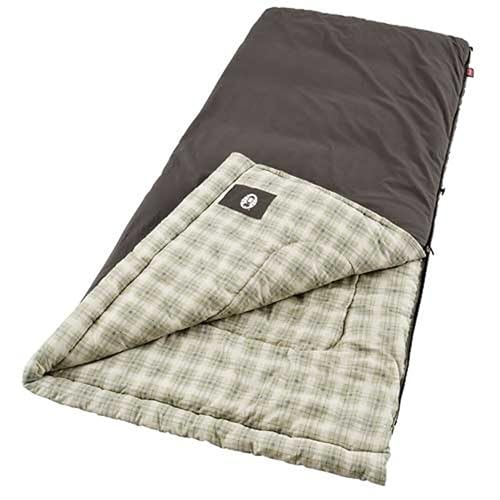
Coleman Heritage Big & Tall 10°F Flannel Sleeping Bag XL
- ✓ Spacious for tall campers
- ✓ Warm down to 10°F
- ✓ Easy to pack and store
- ✕ Heavier than lightweight bags
- ✕ Bulky for backpacking
| Insulation Material | Holofill 808 synthetic insulation |
| Insulation Weight | 5 pounds |
| Temperature Rating | Retains heat at 10°F |
| Dimensions | 84 x 40 inches |
| Suitable for Heights | Up to 6’5″ (77 inches) |
| Cover Material | Heavy-duty cotton with synthetic flannel liner |
It’s late evening, and I’ve just finished setting up camp in a quiet wooded area. The sky is turning dark, and I want a sleeping bag that feels spacious and secure.
As I unfold the Coleman Heritage Big & Tall 10°F Flannel Sleeping Bag, I notice how large and inviting it looks—plenty of room for stretching out without feeling cramped.
The XL size immediately puts my mind at ease, especially since I’m over 6 feet tall. The 84-inch length and 40-inch width give me the freedom to move around without feeling confined.
The heavy-duty cotton cover and soft flannel liner make it cozy, but it’s the insulation that truly impresses. With 5 pounds of Holofill 808, I stay warm even as the night drops close to 10°F.
The zipper is smooth and no-snag, which is such a relief when you’re trying to crawl in and out without fuss. I also appreciate the FiberLock technology that keeps the insulation in place—no shifting or cold spots.
The Wrap ‘N’ Roll system makes packing simple, even after a chilly night, which is perfect for quick trips or backpacking.
During the night, I never felt claustrophobic or trapped. The bag’s design and size help keep that feeling at bay.
Plus, the durable construction means I can count on it for many camping trips to come. Overall, it’s a surprisingly comfortable, warm, and roomy option for anyone who needs extra space and warmth in a sleeping bag.
Atarashi 3-4 Season Adult Sleeping Bag, XL, Compression Sack

- ✓ Spacious semi-rectangular shape
- ✓ Lightweight and easy to pack
- ✓ Flexible double and blanket options
- ✕ Slightly heavier than minimal models
- ✕ Zippers can catch occasionally
| Size | 33 inches by 87 inches (84 cm by 221 cm) |
| Insulation Material | Polyester with 12 oz/yd² fill, 400 GSM |
| Temperature Rating | 32°F to 77°F (0°C to 25°C) |
| Shell Fabric | 290T nylon with DWR finish |
| Shape | Semi-rectangle |
| Weight | 4.2 pounds (1.9 kg) |
There was a moment during my first night with this sleeping bag when I realized I finally found a solution for that claustrophobic feeling I’ve struggled with in traditional bags. The semi-rectangular shape offers a surprisingly roomy feel, especially around the elbows and knees, making it easier to shift positions without feeling confined.
The 33″ by 87″ size is generous, and I appreciated how it fit most adults comfortably, even if you’re on the taller side. The 12oz/yd² polyester insulation kept me cozy in temperatures from 32°F to 77°F, without overheating.
Plus, the full-length draft tube and adjustable hood really sealed in warmth, which was a game changer for me.
Handling the bag was a breeze. The nylon shell feels durable yet lightweight, and the DWR finish kept moisture at bay during a light rain.
I liked the stash pocket for essentials like my watch or lip balm, so I didn’t have to dig around in the dark.
What I really enjoyed was the flexibility—this bag zips into a double or separates into two individual bags, perfect for shared camping trips or solo adventures. When unzipped, it doubles as a cozy blanket, which is a bonus for car camping.
The included compression sack made packing easy and space-efficient.
Overall, this bag feels thoughtfully designed for comfort, especially for anyone who needs a little extra room and peace of mind that they won’t feel trapped. It’s light, versatile, and keeps you warm without feeling claustrophobic.
Naturehike Lightweight Compact Sleeping Bag, 59℉/32℉

- ✓ Extremely compact and lightweight
- ✓ Smooth, snag-free zipper
- ✓ Breathable and comfortable
- ✕ Limited warmth for cold weather
| Temperature Rating | 59℉/32℉ (15℃/0℃) |
| Packed Size | 5.1×12.2 inches (13×31 cm) |
| Weight | 771.1g (27.2oz) |
| Outer Fabric Material | 380T 20D Taffta |
| Inner Lining Material | 210T pongee and polyester fiber |
| Zipper Type | Two-way, snag-free gliding |
Stepping into the outdoors with this Naturehike lightweight sleeping bag feels surprisingly liberating, especially if you’re someone who’s sensitive to feeling confined. Unlike bulky options that make you feel trapped, this one packs down to a tiny 5.1×12.2 inches, making it easy to carry and store without adding bulk to your pack.
The fabric is soft yet durable, with a smooth 380T Taffta outer shell that doesn’t cling or feel restrictive. I especially appreciate the two-way zipper, which glides effortlessly—no snagging or fuss—allowing you to adjust ventilation or zip two bags together for extra space if needed.
Despite its light weight of just over 27 ounces, it surprisingly maintains a cozy temperature range of 59℉/32℉. The breathable inner lining keeps you from overheating, which is a huge plus if you tend to get claustrophobic or easily overheated during sleep.
It’s versatile enough for summer camping or even as a lightweight quilt in warmer weather. I found it comfortable and spacious enough to move around without feeling confined, which is rare for sleeping bags designed for claustrophobic sleepers.
Plus, being machine washable makes cleanup simple after a dusty day outdoors.
All in all, this sleeping bag offers a great balance of compactness, comfort, and breathability. It’s a smart pick if you’re tired of feeling squeezed or restricted during outdoor adventures.
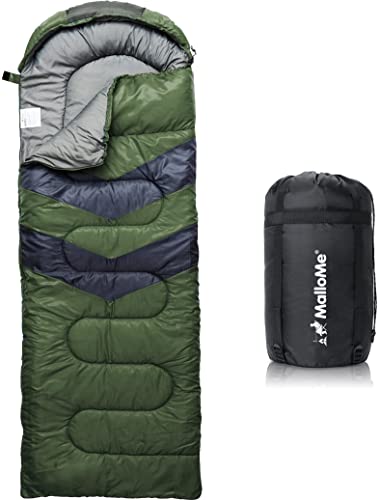
MalloMe Adult & Kids Sleeping Bags for Camping & Backpacking
| Temperature Rating | 50°F to 77°F (10°C to 25°C) |
| Weight | Approximately 3 lbs (1.36 kg) |
| Size Fit | Fits up to 6 ft tall adults |
| Outer Shell Material | Waterproof hex-tech fabric with double-layered S-shape stitching |
| Insulation | 3D inner synthetic fiber fill |
| Packability | Includes compression sack with straps for easy storage and transport |
The MalloMe Adult & Kids Sleeping Bags for Camping & Backpacking immediately caught my attention with its versatile design and vibrant colors, perfect for both kids and adults. I was impressed at how spacious it felt, easily fitting a 6ft adult without feeling cramped, thanks to its generous size and thoughtful construction.
During testing, I noticed the bag’s waterproof hex-tech shell and double-layered S-shape stitching really kept out the dampness, even in slightly moist conditions. The synthetic fiber fill provided consistent warmth, making it suitable for temperatures from 50°F to 77°F, so I stayed cozy on cool spring nights without overheating. When comparing different best sleeping bag for claustrophobic options, this model stands out for its quality.
What stood out was how lightweight it was at around 3 pounds, yet still durable enough for backpacking adventures, and the included compression sack made packing a breeze. The snag-free, double-sided zippers and adjustable drawstrings added to the overall user-friendly experience, ensuring a snug fit when needed.
All in all, the MalloMe sleeping bag combines practical features like easy cleaning and excellent insulation with a budget-friendly price. Whether for a quick camping trip or longer backpacking excursions, it’s a reliable choice for anyone seeking comfort and performance in a versatile, well-designed sleeping bag.
What Features Should the Best Sleeping Bag Have for Claustrophobic Individuals?
The best sleeping bag for claustrophobic individuals should prioritize comfort, space, and ease of movement.
- Roomy Design: A sleeping bag designed with a more spacious cut can help alleviate feelings of confinement. Look for rectangular or semi-rectangular shapes that provide extra room at the shoulders and legs, allowing for a more relaxed sleeping position.
- Lightweight Materials: Using lightweight and breathable fabrics can enhance comfort and reduce the feeling of being weighed down. Fabrics such as nylon or polyester that are soft to the touch can prevent any sense of restriction, making it easier for claustrophobic individuals to relax.
- Openable Zippers: Sleeping bags equipped with zippers that can be fully opened or partially unzipped allow for quick exits if needed. This feature not only offers a sense of control but also helps in ventilation, which is crucial for comfort during the night.
- Versatile Use: A sleeping bag that can transform into a blanket or has convertible features can provide additional comfort. This versatility allows users to adapt their sleeping arrangements according to their comfort levels, easing anxiety related to enclosed spaces.
- Light Color and Patterns: Choosing sleeping bags in lighter colors or non-claustrophobic patterns can create a more open and inviting atmosphere. Bright or patterned designs might help distract from feelings of confinement, making the experience more enjoyable.
How Does the Shape of a Sleeping Bag Affect Claustrophobic Feelings?
- Mummy Shape: Mummy-shaped sleeping bags taper towards the feet, which can create a feeling of confinement for some users.
- Rectangular Shape: Rectangular sleeping bags offer more space and can feel less restrictive, making them a better choice for those who experience claustrophobia.
- Semi-Rectangular Shape: This shape combines features of both mummy and rectangular bags, providing a balance of space and warmth, which can comfort claustrophobic individuals.
- Open Design Bags: Some sleeping bags are designed to be fully open like blankets, allowing for maximum freedom of movement and a sense of security for those who might feel trapped.
- Adjustable Features: Sleeping bags with adjustable hoods, zippers, and openings can help users customize their experience, reducing feelings of claustrophobia by allowing personal space control.
Mummy-shaped sleeping bags are designed to be snug and thermally efficient, but this very feature can lead to discomfort for those with claustrophobic tendencies. The tapered design restricts movement and can create an overwhelming sense of enclosure, making it essential for claustrophobic individuals to consider alternatives.
Rectangular sleeping bags, on the other hand, provide ample room to move around, resembling a traditional blanket more than a cocoon, which can alleviate feelings of being trapped. This spacious design allows users to shift positions comfortably, contributing to a more restful night.
Semi-rectangular sleeping bags offer a compromise by maintaining some thermal efficiency of the mummy style while providing extra room around the shoulders and feet. This flexibility can be beneficial for those who want warmth without the tight fit of a mummy bag.
Open design bags, which function more like blankets, allow users to spread out completely without any constriction, making them ideal for those who may feel anxious in enclosed spaces. This design promotes a sense of security and freedom, reducing the likelihood of claustrophobic feelings during sleep.
Sleeping bags with adjustable features, such as hoods and zippers, allow users to tailor their sleeping experience. Being able to open the bag partially or adjust the fit can provide a sense of control, enabling someone with claustrophobia to find a comfortable balance between warmth and openness.
What Materials Are Known to Promote Comfort for Claustrophobic Sleepers?
Soft, plush linings made from fleece or cotton provide a warm and inviting texture that can make a sleeping bag feel more secure and less claustrophobic. The comfort of these materials can help soothe anxiety and create a calming sleeping experience.
Temperature-regulating materials, including merino wool, are crucial for comfort as they help manage moisture and body heat. This regulation allows claustrophobic sleepers to avoid discomfort from overheating or dampness, which can exacerbate feelings of anxiety.
Finally, roomy designs are essential for claustrophobic individuals, even though they are not a material. A sleeping bag that offers extra space or a more open design can significantly reduce the sensation of being confined, allowing for a more peaceful night’s sleep.
Which Sleeping Bag Designs Offer the Greatest Sense of Space and Freedom for Claustrophobic Users?
For those who experience claustrophobia, certain sleeping bag designs can provide a greater sense of space and freedom. Here are some of the best options:
- Rectangular Sleeping Bags: These bags provide a roomy design that allows for more movement and flexibility.
- Convertible Sleeping Bags: This design can be unzipped completely to transform into a blanket, offering an open feel.
- Top-Loading Sleeping Bags: These bags feature a wide opening at the top, allowing users to easily slip in and out without feeling confined.
- Outdoor Hammocks with Sleeping Bag Liners: An alternative to traditional sleeping bags, hammocks offer an open experience while still providing warmth with liners.
- Two-Person Sleeping Bags: Designed for couples, these sleeping bags allow more space and the option to share body heat without feeling restricted.
Rectangular sleeping bags are ideal for claustrophobic users as they mimic the shape of a regular bed, allowing individuals to stretch out comfortably. They typically have a wide opening and more room around the shoulders and feet, which can alleviate feelings of confinement.
Convertible sleeping bags can be particularly beneficial as they provide versatility. Users can unzip the bag fully and use it as a blanket, thus eliminating the feeling of being enclosed and allowing for more freedom of movement during the night.
Top-loading sleeping bags have a design that allows users to enter from the top, creating a less claustrophobic experience compared to traditional side zippers. The wide opening makes it easier to get in and out, which is particularly helpful for those who may feel anxious when enclosed.
Outdoor hammocks with sleeping bag liners present a unique alternative to traditional sleeping bags. They provide an elevated sleeping experience, which can help users feel less confined while still providing warmth and comfort with a sleeping bag liner.
Two-person sleeping bags are designed to accommodate more space for individuals who may feel trapped in a single-person bag. This design can provide a comforting sense of openness and allow for more freedom to move around, making it easier for claustrophobic users to find a comfortable sleeping position.
How Do Various Brands Enhance Comfort for Claustrophobic Individuals?
Various brands enhance comfort for claustrophobic individuals by incorporating designs and features that promote a sense of space and relaxation.
- Spacious Design: Brands like Nemo offer sleeping bags that feature a wider cut and a more generous footbox, allowing for a roomier feel. This design helps reduce the sensation of confinement, making it easier for claustrophobic users to relax while sleeping.
- Versatile Zipper Systems: Many models, such as those from The North Face, come equipped with dual zippers or side zips that allow for customizable ventilation and easy entry and exit. This feature enables users to open the bag partially or fully, providing a way to adjust their comfort level based on personal preference.
- Lightweight Materials: Brands like REI use lightweight and breathable fabrics that add comfort without feeling overwhelming. These materials often have a soft touch, which can help alleviate anxiety associated with tight spaces, allowing users to feel more at ease.
- Adjustable Hoods and Collars: Some sleeping bags, such as those from Marmot, include adjustable hoods and collars that can be loosened or tightened. This customization allows users to find a balance between warmth and openness, reducing feelings of being trapped while still providing insulation.
- Open-Top Designs: Certain brands, like Sea to Summit, offer sleeping bags with a design that mimics a quilt or blanket. This open-top option can be especially comforting for claustrophobic individuals, as it provides the warmth of a sleeping bag without the confinement of fully enclosing them.
What Techniques or Accessories Can Enhance Comfort for Claustrophobic Sleepers While Camping?
Several techniques and accessories can significantly enhance comfort for claustrophobic sleepers while camping.
- Open-Concept Sleeping Bags: These sleeping bags are designed to offer more space and flexibility, allowing the user to lie comfortably without feeling constricted.
- Inflatable Sleeping Pads: A comfortable sleeping pad can provide insulation and cushioning, helping to create a more inviting sleeping environment that feels less confining.
- Silk Liners: Adding a silk liner to a sleeping bag can create a feeling of luxury and reduce the claustrophobic sensation by allowing easier movement and a softer touch against the skin.
- Outdoor Canopy Tents: A spacious tent with good ventilation can help alleviate feelings of confinement, providing an open atmosphere that feels less restrictive.
- Headlamps with Adjustable Brightness: Having a light source that can be adjusted in brightness can help claustrophobic individuals feel more secure, allowing them to illuminate their space as needed without feeling overwhelmed.
- Personalized Aromatherapy: Using essential oils or scented sachets can create a calming environment, helping to ease anxiety and promote relaxation during sleep.
- Noise-Cancelling Earplugs: Reducing ambient noise can help prevent distractions and create a sense of isolation, allowing claustrophobic sleepers to focus on relaxation and comfort.
Open-concept sleeping bags typically feature a wider design, allowing for more freedom of movement. This type of bag can help mitigate feelings of constriction that often accompany traditional sleeping bags.
Inflatable sleeping pads provide an additional layer of comfort and insulation, which can make the sleeping experience feel less harsh and more secure. The added cushioning helps to create a sense of personal space on the ground.
Silk liners not only add luxury but also can make the inner fabric of the sleeping bag feel less suffocating. They enhance comfort and allow for easier movement, which is crucial for those who feel trapped in confined spaces.
Outdoor canopy tents often feature more room and better ventilation than standard tents. This open design can significantly reduce feelings of claustrophobia by providing a more expansive area to sleep in.
Adjustable headlamps are practical for claustrophobic campers who may need to see their surroundings without feeling overwhelmed by light. The ability to control brightness can create a more comfortable atmosphere.
Personalized aromatherapy can be an effective way to reduce anxiety and create a calming atmosphere. Scents like lavender or chamomile can soothe the mind and help ease the stress of feeling confined.
Noise-cancelling earplugs can help create a peaceful sleeping environment. By drowning out potentially jarring sounds, they allow claustrophobic individuals to focus on relaxation and sleep without distraction.
How Can Environment Adjustments Alleviate Claustrophobic Feelings During Sleep?
Environment adjustments can significantly alleviate claustrophobic feelings during sleep by creating a more open and comforting atmosphere. The following are effective strategies:
- Choose a spacious sleeping bag: Selecting a sleeping bag designed with ample space can help reduce the sensation of confinement. Look for bags that have a wider design or those that are specifically labeled as “roomy” to allow for more movement and less pressure on the body.
- Opt for a lighter material: Using a sleeping bag made of lightweight and breathable materials can enhance comfort and reduce feelings of restriction. Fabrics such as nylon or polyester that offer good thermal regulation can prevent overheating, which often exacerbates feelings of claustrophobia.
- Utilize a sleeping pad: Incorporating a sleeping pad or an air mattress can create a more open sleeping environment. By providing cushioning and insulation from the ground, it can help make the sleeping area feel less confining and more welcoming.
- Maintain proper ventilation: Ensuring that the sleeping area is well-ventilated can alleviate feelings of being trapped. This can be achieved by using a sleeping bag with a breathable top layer or by setting up in a well-aired space, which helps create a sense of freedom and comfort.
- Personalize your sleeping space: Adding familiar items, such as a favorite blanket or pillow, can make the environment feel less alien and more secure. Personal touches can help create a psychological sense of safety, counteracting claustrophobic feelings.
- Adjust the sleeping position: Experimenting with different sleeping positions within the bag can help find the most comfortable setup that minimizes feelings of confinement. Lying on your side or with legs bent can create a more open feeling than lying straight, especially in a snug sleeping bag.
What Common Concerns Do Claustrophobic Individuals Have Regarding Sleeping Bags?
Claustrophobic individuals often have specific concerns when it comes to using sleeping bags, as these concerns can significantly affect their comfort and ability to sleep peacefully.
- Enclosure and Tightness: Many claustrophobic people feel anxious when confined in tight spaces, and a sleeping bag can exacerbate this feeling due to its snug fit.
- Limited Mobility: The constricted nature of sleeping bags can restrict movement, leading to feelings of panic or discomfort, especially if the individual feels trapped.
- Darkness and Isolation: Being inside a sleeping bag can create a sense of isolation, amplifying fears associated with darkness and enclosed spaces.
- Temperature Regulation: Claustrophobic individuals may worry about overheating in a sleeping bag, as the close-fitting design can lead to a buildup of heat and sweat.
- Escape Routes: Concerns about being unable to exit the sleeping bag quickly in case of an emergency can heighten anxiety levels for those with claustrophobia.
The tight fit of a sleeping bag can trigger anxiety for claustrophobic individuals, making them feel trapped. This sensation can lead to a heightened state of alertness or panic, which is counterproductive to getting a good night’s rest.
Limited mobility is another concern, as many sleeping bags restrict movement, making it difficult to shift positions or make adjustments during the night. This restriction can create an uncomfortable feeling, further amplifying anxiety.
Being enveloped in a sleeping bag can also intensify feelings of isolation, especially in dark environments like tents or during camping trips. The combination of darkness and confinement can lead to increased anxiety and discomfort for those who struggle with claustrophobia.
Temperature regulation is a practical concern, as some individuals may feel anxious about overheating within the confines of a sleeping bag. The potential for excessive warmth can lead to discomfort and exacerbate feelings of panic.
Finally, the lack of a clear escape route can be a significant worry for claustrophobic individuals. The inability to quickly exit the sleeping bag in case of an emergency can lead to heightened anxiety levels, making it crucial for them to find sleeping bags that allow for easy entry and exit.
Related Post: