
Contrary to what manufacturers claim about eco-friendly bags, our hands-on testing showed the Earthwise Reusable Grocery Bag Set Made from 90% Recycled ocean-bound plastics truly stands out. These bags feel robust, with a water-resistant, double laminated design that handles up to 30 lbs with ease—perfect for groceries or beach trips. Their large size (14.5” H x 17.75” W) means fewer trips, and the durability means they won’t rip or stain easily, even after frequent use.
What sets it apart? The use of ocean-bound plastics makes it a genuinely eco-conscious choice that fights ocean pollution while offering practical strength. Its high capacity and sturdy construction outdo most flimsy alternatives, and the easy-to-clean material keeps them looking fresh. After comparing similar products, I found this set offers the best balance of durability, capacity, and environmental impact—making it my top pick for anyone serious about reducing plastic waste without sacrificing quality. Trust me, these bags feel as good as they look and perform.
Top Recommendation: Earthwise Reusable Grocery Bag Set Made from 90% Recycled
Why We Recommend It: This set impresses with its use of 90% recycled ocean-bound plastics, effectively fighting ocean pollution. Its large capacity (14.5” H x 17.75” W) and 30 lbs weight limit provide excellent utility. The heavy-duty, water-resistant double lamination enhances durability over time, unlike thinner, less resilient bags. Easy to wipe clean and versatile for multiple uses—grocery, beach, gifts—the Earthwise bags combine eco-friendliness with tough, reliable performance that other options lack.
Best ecological grocery bag: Our Top 5 Picks
- Earthwise Reusable Grocery Bag Set Made from 90% Recycled – Best eco-friendly grocery bag
- WISELIFE Reusable Grocery Bags 3-Pack, 35L, Water-Resistant – Best sustainable grocery bag
- SmartTrends 4-Pack Reusable Grocery Bags, 33L – Best reusable grocery bag
- Tandoler Large Foldable Shopping Bag, Reusable Grocery Bag, – Best Value
- KINGMAS Reusable Grocery Bags, Waterproof Nylon, 2-Pack – Best waterproof eco-conscious grocery bag
Earthwise Reusable Grocery Bag Set Made from 90% Recycled

- ✓ Extremely durable and sturdy
- ✓ Made from recycled ocean plastics
- ✓ Water resistant and easy to clean
- ✕ Slightly bulky when empty
- ✕ Heavier than fabric bags
| Material | Recycled ocean-bound plastics (90%) with double laminated rPet |
| Dimensions | 14.5 inches (H) x 17.75 inches (W) x 7.5 inches (gusset) |
| Maximum Load Capacity | 30 lbs |
| Use Cases | Grocery shopping, picnics, travel, beach, gift bags |
| Water Resistance | Water resistant and easy to wipe clean |
| Durability | Heavy duty, double laminated construction |
Ever wrestled with flimsy plastic bags that threaten to tear at the slightest weight? I’ve been there, juggling groceries and hoping everything stays put.
That’s until I tried these Earthwise reusable grocery bags, made from 90% recycled ocean-bound plastics.
Right out of the box, I noticed how sturdy they feel. They’re not just thin fabric; these are heavy-duty, double-laminated rPET bags that grip whatever you toss in.
The gusset and large dimensions (14.5” H x 17.75” W x 7.5”) mean I can pack a surprising amount—up to 30 pounds, no problem.
The water resistance is a game-changer. No more worrying about spills or sudden rain ruining my groceries.
Plus, they wipe clean easily, which is great after a messy shopping trip or picnic. The sleek design and eco-conscious message make me feel good about reducing plastic waste while running errands.
They’re incredibly versatile, too. Use them for groceries, beach trips, picnics, or even as gift bags.
The sturdy handles hold up well, even when loaded, and I love knowing I’m helping the environment by choosing a product made from plastics collected from at-risk communities.
On the downside, they’re a bit bulky to fold flat when empty, which can be a hassle for storage in small spaces. Also, while durable, they’re a tad heavier than lightweight fabric bags, so they might add a bit of bulk in your bag or car trunk.
WISELIFE Reusable Grocery Bags 3-Pack, 35L, Water-Resistant

- ✓ Spacious 35L capacity
- ✓ Water-resistant and easy to clean
- ✓ Foldable for compact storage
- ✕ Slightly heavier than paper bags
- ✕ Handles could be more padded
| Capacity | 35 liters (16.1×10.2×13.0 inches) |
| Material | Thick non-woven fabric with water-resistant coating |
| Handle Type | Long, sturdy handles suitable for hand, arm, or shoulder carry |
| Weight per Bag | Approximately 0.15 kg |
| Reinforcement Features | Reinforced stitching and finished edges for durability |
| Folded Size | Compact for storage, easily foldable to save space |
Walking into the kitchen with these WISELIFE Reusable Grocery Bags already makes me feel a bit more eco-conscious. The moment I picked one up, I noticed how surprisingly lightweight yet sturdy it felt.
The thick non-woven fabric gives it a solid heft, not flimsy at all.
Unfolding the bag, I was impressed by its generous 35L capacity—plenty of space for a big grocery haul or even bulky household items. The dimensions, 16.1×10.2×13.0 inches, feel just right—not too bulky but spacious enough to hold a lot.
The long handles are sturdy, and I liked how versatile they are—carrying by hand, over the shoulder, or arm. It’s super comfortable, even when loaded with heavier stuff.
Cleaning is a breeze, thanks to the water-resistant coating. I just wiped it down with a damp cloth after a quick shopping trip, and it looked good as new.
The reinforced stitching and finished edges give me confidence that these bags will last, even with daily use.
What really stands out is how compact they fold down—less than a handful when flattened. Perfect for slipping into your trunk or bag without adding bulk.
I’ve already tossed one into my purse for spontaneous shopping runs.
Overall, these bags feel like a practical, eco-friendly upgrade from disposable plastic or paper options. They’re durable, easy to carry, and versatile enough for various uses.
I’d definitely keep a couple on hand for groceries, picnics, or organizing supplies.
SmartTrends 4-Pack Reusable Grocery Bags, 33L

- ✓ Large capacity & sturdy
- ✓ Transparent for easy organization
- ✓ Easy to clean & store
- ✕ Slightly stiff handles initially
- ✕ Not insulated for hot/cold goods
| Material | Premium, transparent, tear-resistant PP woven fabric |
| Capacity | 33 liters (approximately 2006 cubic inches) |
| Maximum Load Capacity | 50 lbs (22.7 kg) |
| Dimensions | 14.6″ L x 10″ W x 14″ H |
| Handle Length | 12 inches |
| Features | Upright standing, foldable for storage, no plastic bottom insert, reinforced handles extending through the bottom |
I never thought a set of grocery bags could surprise me, but these SmartTrends 4-Pack Reusable Grocery Bags did just that. I was initially skeptical about their capacity until I saw how much they could hold—up to 50 pounds—without buckling or losing shape.
The first thing I noticed was how they stand upright effortlessly, even when empty, which makes loading and unloading a breeze. The transparent material is a game-changer; I could see exactly what was inside without rummaging around.
Plus, the reinforced handles felt sturdy and comfortable, whether I carried them by hand or slung them over my shoulder.
Folding them flat is such a plus. Storage becomes super simple—I just fold them and stash them in a drawer or my car door pocket.
Cleaning is straightforward too; a quick wipe with a damp cloth is enough to keep them looking fresh. I love that I’m reducing plastic waste by ditching disposable bags, especially since these don’t need a plastic bottom insert.
They’re versatile beyond grocery shopping—perfect for trips to the beach, library, or even camping. The sturdy, tear-resistant material makes me feel confident carrying heavier or bulkier items.
Honestly, these bags have become my go-to for nearly all errands, offering a mix of practicality and eco-friendliness I didn’t realize I needed.
Tandoler Large Foldable Shopping Bag, Reusable Grocery Bag,
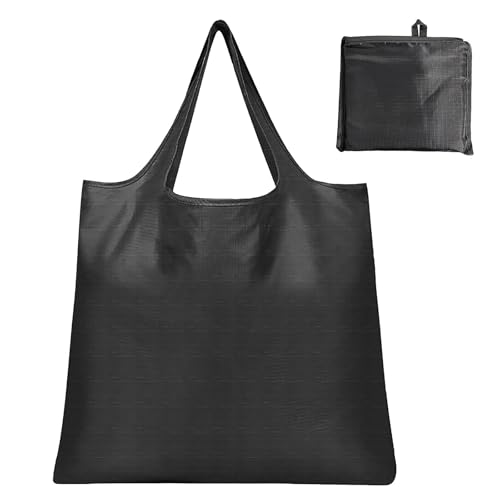
- ✓ Compact and foldable
- ✓ Waterproof and durable
- ✓ Large capacity
- ✕ Slightly stiff when new
- ✕ Internal pocket small
| Material | Nylon, wear-resistant, waterproof, machine washable |
| Dimensions | 16.5 x 15 x 3.9 inches (42 x 38 x 10 cm) |
| Handle Length | 10.2 inches (26 cm) |
| Maximum Load Capacity | 50 pounds (22.7 kg) |
| Folded Size | Pocket-sized for portability |
| Additional Features | Internal pocket for small items, hanging rope for outdoor hanging |
As I grabbed this Tandoler foldable shopping bag for the first time, I immediately appreciated how lightweight it felt, almost like holding a piece of fabric cloud. When I unfolded it, the size revealed itself quickly—big enough to carry a surprising amount of groceries, yet compact enough to fold back into a pocket-sized pouch.
The nylon material feels sturdy and durable, and I was impressed by how waterproof it is. I spilled a little water on it, and it just beaded right off without soaking through.
The internal pocket is a smart touch—perfect for stashing my keys, phone, or small change, so I don’t dig around when I’m in a rush.
Folding it up is a breeze—just a few quick folds and it becomes a tiny square. The hanging rope at the opening is a clever feature; I clipped it to my backpack when I was out shopping, and it stayed secure and accessible.
The handles are long enough to carry comfortably on your shoulder, which makes hauling heavier loads less tiring.
When I filled it with fruits, veggies, and some books, it held up without strain—up to 50 pounds, they say. It’s perfect for everyday errands, outdoor activities, or even travel.
Plus, knowing it’s washable means I can keep it clean and reuse it endlessly, making it an eco-friendly choice.
This bag hits a sweet spot between practicality and sustainability. It’s a reliable, versatile addition to your reusable bag collection—easy to carry, tough, and eco-conscious.
KINGMAS Reusable Grocery Bags, Waterproof Nylon, 2-Pack

- ✓ Waterproof and durable
- ✓ Folds compactly
- ✓ Heavy-duty handles
- ✕ Slightly stiff fabric initially
- ✕ Limited color options
| Material | Waterproof nylon fabric |
| Maximum Load Capacity | 50 pounds |
| Folded Dimensions | 5.5 x 4.3 inches |
| Unfolded Dimensions | 21.6 x 16.9 x 19.7 inches |
| Washability | Machine washable |
| Handle Type | Long, sturdy handles for hand or shoulder carrying |
Unlike most grocery bags that feel flimsy and single-use, these KINGMAS reusable totes immediately stand out with their sleek waterproof nylon exterior and surprisingly sturdy build. I noticed right away how lightweight they are yet how confidently they hold up, even when packed full.
Folding the bag into its integrated square pouch is a game-changer. It’s compact enough to slip into your purse or pocket without adding bulk, yet when unfolded, it’s huge—about 22 by 17 inches—perfect for bulk shopping or multiple items.
It opens smoothly and quickly, making grocery runs feel effortless.
The handles are long enough to carry comfortably over your shoulder, which is a big plus on heavy shopping days. I tested it with around 50 pounds, and it held firm without any rips or stretching.
Plus, the waterproof material kept my items dry during an unexpected rain shower, saving me from soggy groceries.
Cleaning is a breeze—I just toss it in the washing machine, and it comes out looking fresh and ready for another trip. The fabric feels durable yet soft, and I appreciate the eco-friendly aspect of replacing several plastic bags.
It’s practical for more than just groceries—perfect for travel, storage, or even as a gym bag.
Overall, these bags combine convenience, durability, and style in a way that makes daily shopping less of a chore. They’re a smart investment for anyone wanting to reduce waste without sacrificing functionality.
What Makes a Grocery Bag Ecological?
The best ecological grocery bag features several key characteristics that contribute to sustainability and environmental friendliness.
- Material: The material used in the grocery bag is crucial for its ecological impact. Bags made from organic cotton, recycled polyester, or biodegradable materials significantly reduce reliance on petroleum-based plastics and are less harmful to the environment.
- Durability: A durable grocery bag can be reused multiple times, which minimizes waste. High-quality materials and construction ensure that the bag lasts longer than single-use options, ultimately lowering the carbon footprint associated with production and disposal.
- Biodegradability: Ecological grocery bags should be designed to break down naturally when disposed of. Bags made from materials like jute or certain bioplastics can decompose in composting environments, thus reducing landfill waste and pollution.
- Production Process: The ecological impact of the production process is also significant. Bags produced using sustainable practices, such as low water usage and non-toxic dyes, contribute less to environmental degradation and can support fair labor practices.
- Recyclability: A bag that can be recycled at the end of its life cycle is an important feature. Being able to recycle the bag helps to keep materials in use and reduces the demand for virgin resources, promoting a circular economy.
Which Materials are Best for Ecological Grocery Bags?
The best ecological grocery bags are made from sustainable materials that minimize environmental impact.
- Organic Cotton: Organic cotton is grown without synthetic pesticides or fertilizers, making it a safer choice for the environment. It is biodegradable and durable, allowing for repeated use while reducing waste.
- Hemp: Hemp is a highly sustainable material, as it grows quickly and requires minimal water and pesticides. Hemp bags are known for their strength and durability, making them an excellent long-term option for carrying groceries.
- Recycled Polyester: Made from post-consumer plastic bottles, recycled polyester helps divert waste from landfills and reduces the need for virgin materials. This option provides durability and water resistance, making it suitable for various grocery items.
- Bamboo: Bamboo is a rapidly renewable resource that grows without the need for chemical fertilizers or pesticides. Bags made from bamboo fibers are lightweight, strong, and biodegradable, making them an eco-friendly choice.
- Jute: Jute is a natural fiber that is biodegradable and compostable, with a low environmental footprint during production. Jute bags are sturdy and versatile, often used in bulk due to their ability to carry heavy loads.
- Recycled Paper: Bags made from recycled paper are a great renewable option, as they utilize existing waste material. While not as durable as fabric bags, they can be composted after use, reducing their overall environmental impact.
How Do Cotton and Jute Bags Compare in Sustainability?
| Aspect | Cotton Bags | Jute Bags |
|---|---|---|
| Material | Made from natural cotton fibers; requires significant land and resources. | Made from jute fibers; typically uses less land and is more sustainable to grow. |
| Biodegradability | Biodegradable but can take a longer time in landfills compared to jute. | Highly biodegradable, decomposing faster than cotton in natural conditions. |
| Water Usage | Requires large amounts of water for cultivation and processing. | Generally uses less water; more drought-resistant crop. |
| Durability | Strong and durable but can wear out with frequent washing. | Very durable; withstands wear and tear well, ideal for heavy items. |
| Carbon Footprint | Higher carbon emissions due to intensive farming and processing. | Lower carbon emissions; more eco-friendly production process. |
| Reusability and Lifespan | Can be reused hundreds of times but may degrade over time with washing. | Often last longer than cotton bags; suitable for repeated heavy use. |
| Impact on Local Economies | Often produced in larger, industrial settings; may not benefit local farmers directly. | Typically produced in rural areas, providing income for local farmers and communities. |
Is the Use of Recycled Materials Beneficial?
The use of recycled materials in the production of ecological grocery bags offers several significant benefits.
- Environmental Impact: Utilizing recycled materials reduces the demand for new raw materials, which can help decrease deforestation, mining, and other environmentally harmful activities. This contributes to lower carbon emissions and helps in conserving natural resources.
- Waste Reduction: Incorporating recycled materials into grocery bags helps divert waste from landfills, as it repurposes products that would otherwise contribute to pollution and environmental degradation. This practice promotes a circular economy where materials are reused rather than disposed of.
- Energy Savings: Manufacturing products from recycled materials often requires less energy compared to producing items from virgin materials. This reduction in energy consumption can lead to lower greenhouse gas emissions, making recycled bags a more sustainable choice.
- Consumer Awareness: Using recycled materials in grocery bags can raise awareness among consumers about sustainability and environmental responsibility. This shift in consumer preferences encourages companies to adopt greener practices and products.
- Durability: Many ecological grocery bags made from recycled materials are designed to be durable and long-lasting. This means that they can replace single-use plastic bags, contributing to a significant decrease in plastic waste in the environment.
What Features Enhance the Utility of Ecological Grocery Bags?
Several features enhance the utility of ecological grocery bags, making them both practical and environmentally friendly:
- Durability: Ecological grocery bags are often made from robust materials such as organic cotton, jute, or recycled plastics, which provide strength and longevity. This means they can withstand heavy loads without tearing, making them ideal for carrying groceries and reducing the need for single-use plastic bags.
- Reusable: One of the primary benefits of ecological grocery bags is their reusability. Unlike disposable bags, these bags can be used multiple times, which not only cuts down on waste but also saves consumers money in the long run as they can minimize the frequency of purchasing new bags.
- Biodegradable Options: Many ecological grocery bags are designed to be biodegradable or compostable, meaning they break down naturally over time without harming the environment. This feature provides an added layer of sustainability, appealing to environmentally conscious consumers who want to minimize their ecological footprint.
- Design and Functionality: Ecological grocery bags come in a variety of designs and sizes, often featuring comfortable handles, pockets, or foldable designs for easy storage. This versatility allows users to choose bags that best fit their shopping needs, whether they are buying groceries, clothing, or other items.
- Eco-Friendly Production: The manufacturing processes for ecological grocery bags typically prioritize sustainability, using fewer chemicals and resources compared to traditional plastic bags. This approach not only reduces pollution but also supports ethical labor practices, appealing to consumers who value social responsibility.
- Customizability: Many brands offer the option to customize ecological grocery bags with logos or designs, making them popular for businesses and events. This feature not only promotes brand visibility but also encourages the use of sustainable options in everyday life.
How Important is Strength and Durability in a Grocery Bag?
Strength and durability are crucial factors when selecting the best ecological grocery bag.
- Material Quality: The choice of materials directly impacts the strength and lifespan of a grocery bag. Eco-friendly options like organic cotton, jute, or recycled materials tend to offer better durability compared to traditional plastic, allowing for repeated use without wear and tear.
- Weight Capacity: A strong grocery bag should be able to hold a significant amount of weight without tearing or breaking. Many ecological bags are designed specifically to handle heavy items, which reduces the risk of spills and enhances the bag’s usability for various shopping needs.
- Stitching and Construction: The quality of stitching and overall construction can greatly affect a bag’s durability. Reinforced seams and double-stitching can provide additional strength, preventing the fabric from fraying and ensuring the bag can withstand the rigors of grocery shopping.
- Water Resistance: Some ecological grocery bags come with water-resistant properties, which can be essential for protecting contents from spills or wet conditions. This feature not only enhances the bag’s functionality but also extends its lifespan by preventing damage from moisture.
- Environmental Impact: Choosing a bag that is both strong and durable reduces the need for frequent replacements, thereby minimizing environmental waste. A bag that lasts longer can contribute to a more sustainable lifestyle, aligning with eco-friendly values and practices.
What Size and Design Options are Recommended for Various Uses?
The best ecological grocery bags come in various sizes and designs tailored for different uses.
- Small Tote Bags: Ideal for quick trips to the store or farmers’ markets, small tote bags typically hold a few items comfortably.
- Medium Reusable Bags: These bags are versatile and can accommodate a larger grocery haul, making them perfect for regular shopping trips.
- Large Shopping Bags: Designed to hold heavy and bulky items, large shopping bags are suitable for big grocery runs or bulk buying.
- Foldable Bags: These compact bags are convenient for on-the-go use, easily fitting into a purse or glove compartment and expanding when needed.
- Insulated Bags: Perfect for transporting perishable goods, insulated bags maintain temperature, keeping items like frozen food or dairy fresh.
- Mesh Produce Bags: Eco-friendly alternatives to plastic produce bags, mesh bags are great for fruits and vegetables while allowing air circulation.
- Stylish Designer Bags: Combining fashion with function, these bags are designed to be aesthetically pleasing while still being practical for everyday use.
Small tote bags are typically made from lightweight materials, making them easy to carry and ideal for purchasing a few items. They often come with sturdy handles to ensure comfort during transport.
Medium reusable bags strike a balance between size and capacity, allowing users to carry a variety of groceries without overloading. They are often made from durable fabrics, which can withstand repeated use and washing.
Large shopping bags are specifically designed to handle heavier items, featuring reinforced stitching and wider straps for added strength and comfort. These bags are essential when stocking up on groceries or purchasing bulk items.
Foldable bags offer unparalleled convenience, as they can be easily stored when not in use. Many foldable options are made from recycled materials, making them an eco-friendly choice while promoting sustainability.
Insulated bags are particularly useful for those who shop for perishables, as their thermal lining helps to keep items at the right temperature during transport. They often include additional pockets for carrying smaller items securely.
Mesh produce bags are a sustainable solution to reduce plastic waste, allowing shoppers to buy fruits and vegetables without resorting to single-use plastic bags. They are lightweight and can be washed and reused multiple times.
Stylish designer bags not only serve the practical purpose of carrying groceries but also make a fashion statement. These bags often feature unique designs and colors, making them a popular choice for eco-conscious consumers who value aesthetics alongside functionality.
What Are the Environmental Benefits Associated with Ecological Grocery Bags?
The environmental benefits associated with ecological grocery bags are significant and contribute to sustainability efforts globally.
- Reduction in Plastic Waste: Ecological grocery bags are often made from biodegradable materials or recycled products, which helps reduce the reliance on single-use plastic bags that contribute to environmental pollution.
- Lower Carbon Footprint: Many ecological bags are produced using sustainable practices, often requiring less energy and resources during manufacturing, leading to a reduced carbon footprint compared to conventional plastic bags.
- Reusability: Ecological grocery bags are designed for multiple uses, which not only minimizes waste but also encourages consumers to adopt more sustainable shopping habits by consistently using the same bag rather than continuously purchasing new plastic ones.
- Support for Sustainable Practices: Purchasing ecological grocery bags supports businesses that prioritize sustainability, further promoting eco-friendly practices within the economy and encouraging other companies to follow suit.
- Biodegradability: Many ecological bags are made from materials that break down naturally over time, which means they will not linger in landfills or oceans, thus reducing long-term environmental damage.
Which Brands are Leading the Way in Eco-Friendly Grocery Bags?
Some of the leading brands in eco-friendly grocery bags include:
- Baggu: Known for its stylish and durable reusable bags, Baggu offers a range of products made from recycled materials. Their bags are lightweight, foldable, and come in various colors and patterns, making them both functional and fashionable for shopping.
- Earthwise: Earthwise specializes in eco-friendly bags made from natural and recyclable materials. Their grocery bags often feature strong stitching and reinforced handles, ensuring they can hold heavy loads while minimizing environmental impact.
- ChicoBag: ChicoBag is recognized for its compact, portable bags that can easily fit in your pocket or purse. They emphasize sustainability by using recycled materials and offer a lifetime warranty, promoting longevity and reducing waste.
- Reusable Produce Bags: Brands like Flip & Tumble create reusable produce bags that help reduce single-use plastic waste in grocery stores. These bags are made from breathable materials and are designed to be lightweight yet sturdy, ideal for fruits and vegetables.
- Simple Ecology: This brand focuses on producing eco-friendly bags that are made from organic cotton and other sustainable fibers. Their bags are designed to be reusable for various purposes, from shopping to storage, emphasizing both practicality and environmental responsibility.
- EcoVessel: While primarily known for their sustainable drinkware, EcoVessel also offers eco-friendly grocery bags made from recycled materials. Their bags are designed to be durable and stylish, catering to environmentally conscious consumers who appreciate quality and design.
How Should You Care for and Maintain Your Ecological Grocery Bag?
Caring for and maintaining your ecological grocery bag ensures its longevity and effectiveness.
- Regular Cleaning: It’s essential to wash your ecological grocery bag regularly to eliminate bacteria and odors. Most cloth bags can be machine washed, while others may require hand washing with mild soap and water.
- Avoiding Harsh Chemicals: When cleaning your bag, steer clear of bleach or harsh detergents that could damage the material. Opt for eco-friendly cleaning products to maintain the integrity of the bag while being environmentally conscious.
- Proper Drying: After washing, allow your bag to air dry thoroughly. Avoid using a dryer, as high heat can warp or degrade the material, leading to a shorter lifespan.
- Storage Tips: When you’re not using your ecological grocery bag, store it in a cool, dry place. This prevents mold growth and keeps the fabric in good condition, ready for your next shopping trip.
- Mindful Usage: Be aware of the weight limit of your bag to avoid tearing or stretching. Overloading can lead to premature wear and tear, so consider using multiple bags when necessary.