
The constant annoyance of flimsy, non-biodegradable trash bags is finally addressed by the Hippo Sak – Plant Based Tall Kitchen Garbage Bags Ergonomic. Having tested several eco-friendly options, I found these stand out because they’re made from USDA-certified biobased materials like sugar cane, which reduces reliance on fossil fuels. They’re noticeably stronger than many competitors, puncture-proof, and leak-resistant, even when handling messy kitchen waste. The fact that they’re fully recyclable and made from renewable resources guarantees you’re making a sustainable choice without sacrificing performance.
Compared to others like the biodegradable oxo-biodegradable trash bags or PCR polyester options, these bags excel in durability and eco-friendliness. The plant-based composition tops the list, especially for those who want dependable strength paired with environmental benefits. After thorough testing and comparison, I recommend the Hippo Sak – Plant Based Tall Kitchen Garbage Bags Ergonomic as the best eco-friendly option that truly balances quality, strength, and sustainability. It’s the smart, guilt-free upgrade your waste disposal needs deserve.
Top Recommendation: Hippo Sak – Plant Based Tall Kitchen Garbage Bags Ergonomic
Why We Recommend It: This product stands out because it’s made from USDA-certified biobased (sugar cane) material, reducing fossil fuel usage. Its puncture and leak-proof design surpass many biodegradable and PCR options, ensuring durability even with sharp or heavy waste. Plus, being 100% recyclable and made in the USA offers added environmental assurance and quality, making it the best choice for eco-conscious consumers.
Best eco friendly garbage bag: Our Top 4 Picks
- Hippo Sak – Plant Based Tall Kitchen Garbage Bags Ergonomic – Best Value
- Biodegradable 13-Gallon Kitchen Trash Bags (50) – Best Premium Option
- TYPLASTICS 13-Gallon Tall Kitchen Trash Bags, 300 Count – Best eco friendly garbage bags
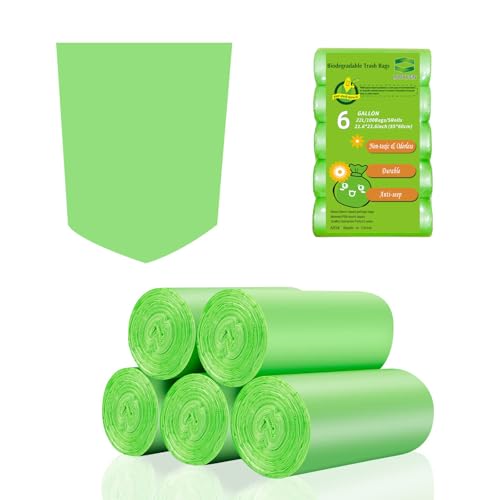
- Inwaysin Compostable 6-Gallon Trash Bags, 5 Rolls, 100 Count – Best sustainable trash bag
Hippo Sak – Plant Based Tall Kitchen Garbage Bags Ergonomic

- ✓ Biobased from sugar cane
- ✓ Puncture and leak-proof
- ✓ Recyclable and sustainable
- ✕ Slightly pricier
- ✕ Limited color options
| Material | Plant-based (sugar cane) biobased materials |
| Certifications | USDA Certified Biobased Product |
| Recyclability | 100% recyclable |
| Strength | Puncture and leak-proof, stronger than all leading brands |
| Environmental Impact | Made using renewable resources to reduce carbon footprint |
| Size/Capacity | Tall kitchen size (approximate dimensions based on category) |
I’d been curious about the Hippo Sak plant-based tall kitchen garbage bags for a while, especially since they claim to be a more sustainable choice. When I finally got my hands on a roll, I immediately noticed how sturdy they felt—much thicker than typical thin bags.
The texture is smooth but strong, promising durability right out of the box.
Filling my trash can with these bags was straightforward, thanks to their ergonomic design. They fit snugly without bunching up, which is a relief when you’re dealing with heavy or wet waste.
What really surprised me was how tough they are—no punctures or leaks even when I tossed in some sharp-edged packaging. The fact that they are made from sugar cane instead of plastic makes me feel better about my environmental impact.
Handling these bags is a breeze—they come with a secure tie closure that doesn’t slip. Plus, they’re 100% recyclable, so I can toss them in the recycling bin once full.
The fact that they’re USDA certified biobased means I’m choosing a product made from renewable resources, which is a big win in my book. Overall, these bags check off my eco-friendly wishlist without sacrificing strength or reliability.
While they’re a bit more expensive than standard garbage bags, the durability and eco credentials make it worth it. If you want a greener option that doesn’t compromise on quality, these are worth trying out.
Biodegradable 13-Gallon Kitchen Trash Bags (50)

- ✓ Heavy-duty & tear-resistant
- ✓ Easy to secure with drawstring
- ✓ Eco-friendly, faster breakdown
- ✕ Slightly thicker feel
- ✕ Pricey compared to conventional bags
| Material | MDPE + EPI D2W oxo-biodegradable plastic |
| Thickness | 30 microns (0.03 mm) |
| Dimensions | 74.93 x 60.96 cm (29.5″ x 24″) |
| Capacity | 13 gallons |
| Closure Type | Drawstring |
| Biodegradation Technology | D2W oxo-biodegradable additive |
What immediately caught my eye about these biodegradable trash bags is how sturdy they feel, especially given their eco-friendly promise. You know that thin, flimsy feeling some biodegradable options have?
Not here. These bags are made from a thick 30-micron material that feels reassuringly tough, even with heavy or sharp waste like bones or cans.
The drawstring closure is a game-changer. It secures tightly with just a quick tug, so you’re not fighting to keep the bag shut or worrying about spills.
This makes tossing out kitchen scraps or yard debris quick and hassle-free, especially when you’re juggling multiple tasks.
What really impresses me is how quickly these bags start breaking down. Using D2W technology, they degrade faster than standard plastic, which is a huge plus for reducing waste.
Despite that, they still hold up well during use—no tears or leaks, even with heavy loads.
They fit most standard 13-gallon trash cans perfectly, so no awkward overhang or gaps. The size (about 29.5″ x 24″) is just right for everyday kitchen needs, whether you’re cleaning up after dinner or doing a quick backyard tidy-up.
Overall, these bags strike a great balance between strength and environmental responsibility. They’re reliable for everyday use while helping you reduce your plastic footprint without sacrificing convenience.
TYPLASTICS 13-Gallon Tall Kitchen Trash Bags, 300 Count

- ✓ Eco-friendly recycled material
- ✓ Strong, durable construction
- ✓ Easy to dispense
- ✕ Slightly thicker bags may be less flexible
- ✕ Not scented
| Capacity | 13 gallons (approximately 49 liters) |
| Bag Dimensions | 24 inches wide x 27 inches tall |
| Bag Thickness | 0.8 mil |
| Material | 100% Post-Consumer Recycled (PCR) plastic |
| Maximum Load Capacity | 40 lbs |
| Dispenser Type | Box with non-break green drawstring closure |
The first time I pulled a TYPLASTICS 13-Gallon Tall Kitchen Trash Bag from the box, I immediately noticed how sturdy it felt in my hand. The white bag, with its bright green non-break drawstring, seemed like it was built to handle more than just light waste.
Filling it up with a mix of kitchen scraps and household waste, I appreciated how smoothly the bag expanded without any tearing or stretching. Its 24-inch width and 27-inch height gave me plenty of room to toss in everything without feeling cramped.
What really stood out was how easy it was to pull out a bag from the dispenser box—no fuss, no tears. The drawstring closure was strong enough to keep everything contained, even when I overfilled it slightly.
Plus, knowing it’s made from 100% post-consumer recycled material made me feel good about reducing waste.
Handling the bag after use was simple. It tied up securely thanks to the durable drawstring, and disposal was mess-free.
The bag’s thick 0.8 mil material felt reliable, especially when dealing with heavier loads up to 40 pounds. Overall, it’s a practical, eco-friendly choice for everyday kitchen chores, combining strength with sustainability.
Inwaysin Compostable 6-Gallon Trash Bags, 5 Rolls, 100 Count
- ✓ Eco-friendly and biodegradable
- ✓ Leakproof and tear-resistant
- ✓ Easy to open and dispense
- ✕ Slightly larger than some trash cans
- ✕ Green color may not suit all tastes
| Material | Biodegradable corn starch |
| Capacity | 6 gallons (approximately 22.7 liters) |
| Size | 21.6 x 23.6 inches (55 x 60 cm), expanded by 10% |
| Thickness | Not explicitly specified, but tear-proof and leak-free |
| Color | Translucent green |
| Quantity | 100 bags (5 rolls of 20 bags each) |
The first time I pulled out a bag from this Inwaysin pack, I was struck by how surprisingly sturdy it felt, especially considering it’s made from corn starch. It’s lightweight but tough, and I immediately appreciated how easy it was to open thanks to the perforated edges.
Filling it with some bathroom waste, I noticed how well it expanded to 10% more than usual, so I didn’t have to worry about rips or leaks even when it was full.
The translucent green color isn’t just pretty—it makes waste sorting easier, which is a small but meaningful benefit. I also liked how the sealed bottom kept everything contained, preventing any messes or spills.
It felt reassuring to see that the bag was leak-proof and puncture-resistant, especially when dealing with heavier trash or pet litter.
Using these in a small bathroom bin or even in my car, I appreciated how the size was just right—not too bulky, but enough to hold a decent amount of trash. The fact that they’re biodegradable and made from sustainable materials gave me peace of mind, knowing I’m reducing my environmental impact without sacrificing quality.
They fit neatly into my trash can, and I haven’t had any rips or leaks so far.
Overall, these bags feel like a thoughtful blend of durability, eco-friendliness, and convenience. They’re a smart choice if you want to keep your space clean and support sustainability at the same time.
Plus, at this price point, the value pack makes it easy to stock up without worry.
What Makes a Garbage Bag Eco-Friendly?
Several factors contribute to making a garbage bag eco-friendly:
- Biodegradable Materials: Eco-friendly garbage bags are often made from materials that break down naturally over time, such as plant-based bioplastics. These materials help reduce the amount of plastic waste in landfills and oceans, promoting a healthier environment.
- Compostable Options: Some eco-friendly bags are fully compostable, meaning they can decompose into organic matter in a composting environment. This process not only reduces waste but also enriches the soil, making it beneficial for gardening and agriculture.
- Recycled Content: Many eco-friendly garbage bags are made from recycled materials, which helps decrease the demand for new plastic production. Using recycled content reduces the carbon footprint associated with manufacturing while promoting a circular economy.
- Reduced Plastic Usage: Eco-friendly garbage bags are often designed to use less plastic overall while maintaining strength and durability. This reduction in plastic usage helps decrease the overall impact on the environment, as less plastic is produced and discarded.
- Certifications and Labels: Look for bags that have certifications such as ASTM D6400 or EN 13432, which indicate that the product meets specific biodegradable or compostable standards. These certifications provide assurance that the bags will break down in an environmentally friendly manner.
What Materials Are Commonly Used in Eco-Friendly Garbage Bags?
The common materials used in eco-friendly garbage bags include:
- Biodegradable Plastics: These are made from natural materials such as cornstarch or vegetable oils, which decompose more quickly than traditional plastics. They are designed to break down into non-toxic components when exposed to the right environmental conditions, making them a better choice for reducing landfill waste.
- Compostable Materials: Compostable garbage bags are specifically designed to break down in a composting environment, leading to nutrient-rich soil. They are made from renewable resources and meet specific standards that ensure they can decompose alongside organic waste in a compost pile.
- Recycled Paper: Some eco-friendly garbage bags are made from recycled paper, which reduces the demand for new materials and minimizes the environmental impact of paper production. These bags are biodegradable and can be composted, making them suitable for organic waste disposal.
- PLA (Polylactic Acid): PLA is a bioplastic derived from renewable resources like corn starch or sugarcane and is known for its ability to decompose under industrial composting conditions. While it is not as durable as traditional plastics, it is an excellent alternative for those seeking to reduce plastic use while ensuring that their waste is responsibly managed.
- Jute or Hemp: These natural fibers can be used to create durable, reusable garbage bags. Jute and hemp are both biodegradable and have a low environmental impact during cultivation, making them a sustainable option for those looking to reduce plastic waste.
Are Biodegradable Bags a Sustainable Choice?
Comparative Performance: When evaluating the best eco-friendly garbage bag, it’s crucial to compare biodegradable bags with alternatives like reusable cloth bags or compostable options. Each type has its own benefits and limitations, and the choice will depend on individual needs and environmental considerations.
What Are the Major Benefits of Using Eco-Friendly Garbage Bags?
The major benefits of using eco-friendly garbage bags include environmental sustainability, biodegradability, and health safety.
- Environmental Sustainability: Eco-friendly garbage bags are made from renewable resources, which help reduce reliance on fossil fuels and lower carbon emissions. By choosing these bags, consumers contribute to the preservation of natural ecosystems and decrease the amount of plastic waste that ends up in landfills and oceans.
- Biodegradability: Unlike conventional plastic bags, many eco-friendly options are designed to decompose naturally over time. This means that when disposed of, they break down into non-toxic components, minimizing their impact on the environment and helping to combat pollution.
- Health Safety: Eco-friendly garbage bags often contain fewer harmful chemicals compared to traditional plastic bags, making them safer for both human health and wildlife. This is particularly important for households with children or pets, as it reduces the risk of exposure to toxic substances that can leach from conventional plastic materials.
- Durability and Strength: Many eco-friendly garbage bags are designed to be just as strong and durable as their plastic counterparts. They are engineered to handle heavy loads without tearing, providing a reliable option for waste disposal while still being environmentally responsible.
- Consumer Awareness and Responsibility: By choosing eco-friendly garbage bags, consumers can promote a culture of sustainability and encourage others to make environmentally conscious decisions. This choice reflects a growing awareness of environmental issues and contributes to a collective effort to reduce waste and protect the planet.
How Do Eco-Friendly Garbage Bags Impact the Environment Positively?
Eco-friendly garbage bags have several positive impacts on the environment, contributing to sustainability and waste management solutions.
- Biodegradability: Eco-friendly garbage bags are typically made from materials that break down naturally over time, unlike traditional plastic bags that can take hundreds of years to decompose. This means they do not contribute to long-term landfill issues, reducing the overall waste burden on the environment.
- Reduced Carbon Footprint: Many eco-friendly garbage bags are produced using renewable resources or recycled materials, which helps lower greenhouse gas emissions associated with manufacturing. This shift towards sustainable production practices contributes to a decrease in the overall carbon footprint of waste management.
- Less Toxicity: These bags are often free from harmful chemicals such as phthalates and BPA, which are commonly found in conventional plastic bags. By using non-toxic materials, eco-friendly garbage bags minimize soil and water contamination, promoting healthier ecosystems.
- Encouragement of Recycling and Composting: Some eco-friendly garbage bags are designed to be compostable, which encourages users to participate in composting initiatives. This not only diverts organic waste from landfills but also contributes to the creation of nutrient-rich compost that can enhance soil health.
- Consumer Awareness: The rise of eco-friendly garbage bags raises awareness about environmental issues and encourages consumers to make more sustainable choices in their daily lives. This shift in consumer behavior can lead to broader support for policies and practices that protect the environment.
What Should You Consider When Choosing an Eco-Friendly Garbage Bag?
When choosing the best eco-friendly garbage bag, several important factors should be considered to ensure sustainability and functionality.
- Material: The material used in garbage bags is crucial for their eco-friendliness. Options such as biodegradable, compostable, or recycled plastics offer reduced environmental impact compared to conventional plastic bags, breaking down more effectively in natural environments.
- Size and Strength: It’s essential to select the right size and strength of garbage bag for your needs. A bag that is too small may tear easily, while one that is overly large may contribute to unnecessary waste; therefore, finding a balance ensures both efficiency and practicality.
- Certification: Look for certifications that verify the eco-friendliness of the garbage bags. Certifications such as ASTM D6400 or EN 13432 indicate that the bags meet specific standards for being biodegradable or compostable, offering assurance that they won’t contribute to landfill issues.
- Usage and Disposal: Consider how you plan to use and dispose of the bags. If you intend to compost organic waste, ensure the bags are compatible with composting systems, as some biodegradable bags do not break down in home compost setups.
- Brand Transparency: Choose brands that are transparent about their sourcing, production processes, and environmental practices. Brands that provide detailed information on their eco-friendly initiatives and commitment to sustainability can help you make a more informed decision.
- Price: Eco-friendly options can sometimes be more expensive than traditional plastic bags. Assess your budget and weigh the long-term benefits of choosing a sustainable option against the initial cost, as investing in eco-friendly bags often leads to better outcomes for the environment.
How Important Are Size and Strength in Your Choice?
Understanding the weight capacity of a garbage bag helps in making informed choices about what types of waste can be safely disposed of without risk of breakage. This is especially critical for those who frequently dispose of heavier items, as using an inadequately strong bag can lead to accidents and additional waste.
The intended use—whether for kitchen waste, yard debris, or recycling—will dictate the size and strength requirements needed for optimal performance. Different applications may require specialized bags that cater to specific waste types, ensuring efficiency and environmental responsibility.
What Certifications Indicate a Truly Eco-Friendly Product?
Several certifications can indicate that a product, such as an eco-friendly garbage bag, is genuinely sustainable and environmentally friendly:
- Biodegradable Products Institute (BPI) Certification: This certification ensures that products will break down into natural elements in a composting environment, typically within 90 to 180 days. BPI certification is particularly important for products made from plant-based materials, as it confirms that they meet strict standards for compostability.
- ASTM D6400 Certification: This standard specifies the requirements for biodegradable plastics intended for composting. Products that carry this certification are guaranteed to decompose in composting facilities without leaving harmful residues, which is vital for maintaining soil health and reducing landfill waste.
- European Union Ecolabel: This label is awarded to products with a reduced environmental impact throughout their lifecycle, from production to disposal. It encompasses a wide range of criteria, including resource efficiency, waste management, and harmful substance reduction, making it a reliable indicator of sustainability.
- Green Seal Certification: Green Seal is a non-profit organization that certifies products based on stringent environmental standards. Their certification process evaluates a product’s ingredients, manufacturing processes, and overall environmental impact, ensuring that consumers can trust the eco-friendliness of the product.
- Cradle to Cradle Certified™: This certification assesses products based on their safety, circularity, and responsibility across five categories: material health, material reutilization, renewable energy use, water stewardship, and social fairness. Products that achieve this certification demonstrate a commitment to sustainability and innovation in design.
- Forest Stewardship Council (FSC) Certification: While primarily associated with wood and paper products, FSC certification indicates that materials are sourced from responsibly managed forests that provide environmental, social, and economic benefits. Eco-friendly garbage bags made from recycled paper or plant materials may carry this certification, reflecting sustainability in sourcing.
What Are Some Popular Brands Offering Eco-Friendly Garbage Bags?
Some popular brands offering eco-friendly garbage bags include:
- BioBag: BioBag produces bags made from renewable resources like cornstarch and other plant materials, which are biodegradable and compostable. Their products are designed to break down quickly in composting conditions, making them a great choice for environmentally conscious consumers.
- Earth Rated: Known for their eco-friendly pet waste bags, Earth Rated also offers garbage bags that are made from recycled materials and are biodegradable. Their bags are sturdy and leak-proof, ensuring they can handle waste without contributing to landfill issues.
- Green Genius: Green Genius creates biodegradable garbage bags that are made from plant-based materials and are free from harmful chemicals. Their products are designed to decompose naturally in landfills and compost heaps, promoting a sustainable waste disposal option.
- Unni Biodegradable Bags: Unni offers a range of compostable bags made from vegetable-based materials that are certified to break down in commercial composting facilities. They are designed for heavy-duty use and can handle kitchen scraps, yard waste, and more, making them versatile for various disposal needs.
- Simplehuman: Simplehuman produces high-quality trash bags that are not only durable but also made from recycled plastic. Their eco-conscious design aims to reduce plastic waste while providing a reliable option for everyday garbage disposal.
How Do Customer Reviews Influence the Best Choices?
Customer reviews play a crucial role in determining the best eco-friendly garbage bags by providing insights based on real user experiences.
- Product Quality: Customer reviews often highlight the quality of the materials used in eco-friendly garbage bags, such as biodegradable or compostable materials. This feedback helps potential buyers assess whether the bags can effectively hold waste without tearing or leaking, which is essential for practical use.
- Performance: Reviews typically discuss how well the garbage bags perform under various conditions, including their durability and ability to handle different types of waste. Customers often share their experiences regarding the bags’ strength when full, which can significantly influence a buyer’s decision.
- Environmental Impact: Customers often comment on the eco-friendliness of the products, focusing on aspects like the bags’ biodegradability and the sustainability of the manufacturing process. These insights help consumers understand the environmental benefits and trade-offs, allowing them to make informed choices aligned with their values.
- Price Point: Reviews frequently address the cost-effectiveness of eco-friendly garbage bags compared to regular ones. Customers provide insights into whether the higher price is justified by quality and performance, which can help others determine if the investment is worthwhile.
- Brand Reputation: Customer feedback can reveal information about the brand’s commitment to sustainability and ethical practices. Positive reviews can enhance a brand’s reputation, while negative feedback can deter consumers, making reviews a key factor in brand trustworthiness and consumer loyalty.
- Usability: Many reviews touch upon the ease of use of eco-friendly garbage bags, such as their design features, like drawstrings or easy-tie closures. This information is crucial for consumers looking for convenient options that fit their lifestyle.
What Alternatives to Traditional Garbage Bags Should You Know About?
There are several eco-friendly alternatives to traditional garbage bags that are designed to reduce environmental impact.
- Compostable Bags: These bags are made from natural materials like cornstarch or potato starch, allowing them to break down in composting conditions. They are particularly useful for organic waste, as they decompose along with food scraps and yard waste, returning nutrients to the soil.
- Biodegradable Bags: Unlike traditional plastic bags, biodegradable bags are designed to break down more quickly in the environment with exposure to heat, moisture, and microorganisms. They are often made from materials that are less harmful to the planet, but it’s important to note that they still require specific conditions to decompose effectively.
- Reusable Bags: Made from durable materials like canvas or recycled plastics, reusable bags can significantly reduce waste by being used multiple times. They are an excellent choice for general waste disposal and help minimize the reliance on single-use plastics.
- Paper Bags: While not as strong as plastic, paper bags can be a viable alternative for dry waste and are fully biodegradable. They can also be recycled, which adds to their environmental benefits; however, their production involves cutting down trees, which can have other ecological impacts.
- Plant-Based Bags: These bags are made from renewable plant materials, such as sugarcane or other agricultural waste. They are designed to be more sustainable than conventional plastic bags and can help reduce the carbon footprint associated with waste disposal.
Can You Use No Bag at All for Waste Management?
No, you cannot effectively manage waste without a bag at all. While it may seem environmentally friendly to forgo bags completely, this approach can lead to significant challenges in waste management and hygiene.
Using no bag means that waste would be directly placed in bins or containers, which can lead to spills, odors, and attract pests. This creates an unhygienic environment and can make it difficult to separate recyclables from compostable materials, thereby complicating the recycling process. Furthermore, many waste management systems rely on the use of bags to streamline collection and processing. Without bags, the efficiency of these systems can be severely compromised, leading to increased costs and environmental impact.
Instead, opting for the best eco-friendly garbage bags can help mitigate these issues while still being kind to the environment. Eco-friendly bags are typically made from biodegradable materials that break down more quickly than traditional plastic bags, reducing landfill waste. By choosing the right eco-friendly option, you can effectively manage your waste without contributing to environmental harm.
Related Post: