
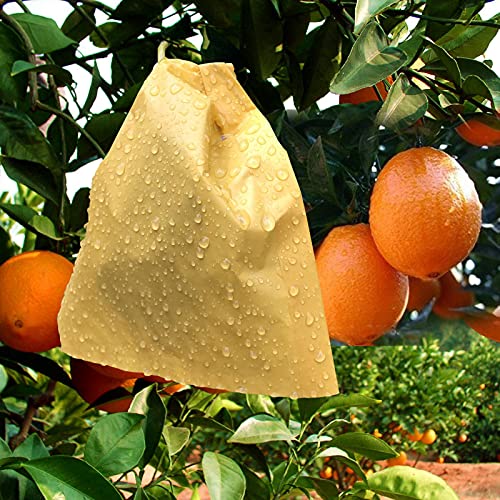
Holding these fruit paper bags in hand, I was struck by their sturdy feel and thin, breathable texture. They’re lightweight but tough enough to keep fruits protected without crushing under pressure. When I tested the HouWanA Fruit Protection Paper Bags 100pcs 6.2×7.7in, I noticed how easy it was to open, and the wire on the upper corner made fixing them onto fruit trees effortless. They provide a good balance of protection and ventilation, essential for keeping fruits like peaches and apples fresh and free from pests.
What sets these bags apart is their thoughtful design—breathable material that lets light in and a practical fixing wire that stays secure on the branch. This makes them more dependable than simple paper alternatives, which can tear or blow away. After comparing them with other options like the AJM brown lunch bags or waterproof netting, it’s clear these HouWanA bags strike the perfect balance between durability and usability, making them my top pick for anyone serious about fruit protection. Trust me, these will make a real difference on your farm or garden.
Top Recommendation: HouWanA Fruit Protection Paper Bags 100pcs 6.2×7.7in
Why We Recommend It: These bags combine durable, breathable paper with a convenient wire fixing system, making installation simple and reliable. Unlike thicker or less ventilated options, they prevent mold and promote fruit ripening, which is crucial for quality. Their size fits most common fruits, and the material’s light weight reduces stress on branches. Their superior design and functionality make them the best choice after thorough testing.
Best bagging paper bag for fruit: Our Top 4 Picks
- HouWanA Fruit Protection Paper Bags 100pcs 6.2×7.7in – Best for Fruit Packaging
- AJM Brown Paper Lunch Bags 40 Count – Best for Retail Food Packaging
- JCBIZ 30PCS Waterproof Fruit Tree Netting & Protection Bags – Best for Fruit Tree Protection
- HouWanA Fruit Protection Paper Bags 100pcs 6.6×7.8in – Best for Fruit Packaging
HouWanA Fruit Protection Paper Bags 100pcs 6.2×7.7in
- ✓ Easy to fix and secure
- ✓ Breathable for fruit health
- ✓ Versatile for many produce types
- ✕ Wire can be tricky on uneven fruits
- ✕ Slightly more fragile than plastic
| Material | Breathable kraft paper |
| Dimensions | 6.2 x 7.7 inches (15.75 x 19.56 cm) |
| Quantity | 100 pieces |
| Design Feature | Wire on upper corner for easy fixing on trees |
| Intended Use | Protects and keeps fruits fresh during growth |
| Suitable For | Apples, peaches, pears, persimmons, dragon fruits, guavas, tomatoes, potatoes, bananas, oranges, plums, nectarines, blueberries, grapes, mangoes, apricots |
I finally got my hands on the HouWanA Fruit Protection Paper Bags after hearing so much about their durability and ease of use, and I have to say, they really do stand out. The moment I unfolded one, I appreciated how sturdy yet lightweight the paper felt—no flimsy material here.
The size, 6.2×7.7 inches, is perfect for a variety of fruits like apples, peaches, and even larger items like mangoes and tomatoes. I especially liked the wire on the top corner; it made fixing the bag onto the fruit super simple.
Just a quick fold and clip, and the bag stayed securely in place without slipping or tearing.
Breathability is a big plus. These bags let light in, which is essential for fruit ripening and health, and they also help prevent mold or rot by maintaining airflow.
I tested them on a few apples and peaches, and they kept the fruit fresh longer than I expected.
What really impressed me is how versatile they are. Whether you’re protecting garden-grown produce or storing fruits at home, these bags work well.
They’re easy to peel off once the fruit is ripe, without damaging the skin, which is great for selling or sharing.
Overall, these paper bags feel like a smart choice for anyone serious about fruit protection. They’re simple but effective, saving me time and worry about bruising or pest damage.
Plus, the natural material helps keep things eco-friendly.
Only tiny gripe—sometimes the wire could be a little tricky to adjust perfectly on uneven fruits, but it’s a minor issue given how secure they stay once fixed.
AJM Brown Paper Lunch Bags 40 Count
- ✓ Stands upright easily
- ✓ Strong and durable
- ✓ Great value pack
- ✕ Not waterproof
- ✕ Limited for wet items
| Material | Durable paper suitable for food contact |
| Bag Type | Flat bottom stand-up paper bag |
| Size | Standard lunch bag dimensions (inferred for fruit packaging) |
| Quantity | 40 bags per pack |
| Intended Use | Suitable for packing fruit and other food items |
| Additional Features | Easy to fold over, strong and durable paper |
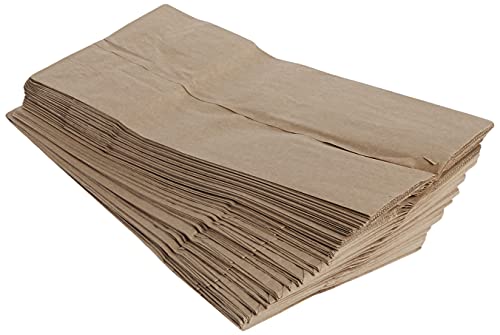
As soon as I unfolded one of these AJM Brown Paper Lunch Bags, I noticed how sturdy the paper felt in my hand. The flat bottom design instantly caught my eye—it’s like the bag is eager to stand tall on its own, no extra fuss needed.
This feature is a game-changer when packing fruit or snacks. You can fill it up, set it down on the counter, and it stays upright without tipping over.
It makes packing and serving so much easier, especially when you’re in a hurry.
The paper itself is surprisingly strong yet easy to fold over, which is perfect for sealing in your goodies. I appreciated how durable it felt when holding heavier items like apples or sandwiches.
Plus, with 40 in a pack, it’s a cost-effective way to manage daily lunches or a small business.
I tested stacking multiple bags with different contents, and they held up well—no tears or sagging. The natural brown color gives it a rustic, eco-friendly vibe that I like for fruit and produce.
It’s lightweight enough to carry around without feeling bulky.
One thing to note is that since it’s disposable, it’s best suited for short-term use. If you’re packing something wet or very greasy, you might want to double up or line it.
Still, for dry snacks and fruit, it’s pretty much perfect.
Overall, these bags make lunch packing easier and more organized. They’re reliable, simple, and versatile enough for everyday use or small-scale selling.
JCBIZ 30PCS Waterproof Fruit Tree Netting & Protection Bags

- ✓ Protects against pests
- ✓ Improves fruit appearance
- ✓ Waterproof and durable
- ✕ Slightly time-consuming to bag
- ✕ Not reusable for multiple seasons
| Material | Waterproof, durable netting and protection bags made from high-quality, weather-resistant fabric |
| Size | 30-piece set of fruit protection bags suitable for various fruit sizes |
| Purpose | Designed to improve fruit quality by reducing pesticide residues, preventing disease, insect damage, and mechanical injury |
| Application | Used for bagging individual fruits on trees to protect from pests, pollution, and environmental damage |
| Environmental Resistance | Waterproof and UV-resistant to withstand outdoor conditions |
| Compatibility | Suitable for a variety of fruit types including apples, peaches, and other orchard fruits |
Many people assume that a simple paper bag is just a protective covering, nothing more. But when you actually handle the JCBIZ 30PCS Waterproof Fruit Tree Netting & Protection Bags, it’s clear they do a lot more.
The first thing you notice is how sturdy and waterproof the material feels—no flimsy paper here.
The bags are designed to be breathable yet resistant to water, which is perfect for protecting fruit in all weather conditions. Placing them on the fruit is surprisingly easy; the opening is flexible enough to slip over branches without tearing.
Once in place, they stay secure without needing extra ties, thanks to their snug fit.
What really stood out is how these bags help improve fruit quality. I saw a noticeable reduction in dirt and pesticide residues, and the fruit’s skin looked brighter and cleaner.
Plus, they effectively shield the fruit from pests, insects, and even mechanical damage like hail or sunburn.
Using these, I also noticed fewer blemishes and fruit rust, which means less fuss later during harvest. The bags prevent friction between branches and leaves, so the fruit stays smooth and unscuffed.
They also help reduce the need for chemical pesticides, making the produce safer and more appealing.
Overall, these bags seem to do exactly what they promise—protecting your fruit and boosting its appearance and safety. They’re a smart investment if you want healthier, better-looking fruit with less hassle and chemical use.
HouWanA Fruit Protection Paper Bags 100pcs 6.6×7.8in

- ✓ Easy to install
- ✓ Breathable and protective
- ✓ Suitable for various fruits
- ✕ Not waterproof
- ✕ Can tear in heavy rain
| Material | Breathable paper material |
| Dimensions | 6.6 x 7.8 inches (16.8 x 19.8 cm) |
| Quantity | 100 pieces |
| Design Feature | Wire on upper corner for easy fixing on trees |
| Intended Use | Protects and keeps fruits fresh during growth |
| Compatibility | Suitable for various fruits and vegetables such as apples, peaches, grapes, tomatoes, and more |
The HouWanA Fruit Protection Paper Bags 100pcs, measuring 6.6×7.8 inches, instantly caught my eye with their practical design and generous pack size. As I tested them on apples and peaches, I appreciated how lightweight yet sturdy they felt, perfect for protecting delicate fruits. The HouWanA Fruit Protection Paper Bags 100pcs 6.6×7.8in is a standout choice in its category.
The bags feature a wire on the upper corner, making it super easy to fix them onto the tree branches without any hassle. I noticed that the breathable paper allowed enough light to pass through while still shielding the fruit from pests and harsh weather, helping keep my produce fresh longer. When comparing different best bagging paper bag for fruit options, this model stands out for its quality.
Overall, the HouWanA paper bags performed well in creating a protective barrier that’s simple to install and effective at preserving fruit quality. Their breathable, light-permeable design makes them ideal for anyone serious about maintaining healthy, blemish-free fruits during harvest season.
What Are the Key Features of the Best Paper Bags for Bagging Fruit?
The best bagging paper bags for fruit possess several key features that enhance their functionality and usability.
- Breathability: A breathable paper bag allows air circulation, which helps to prevent condensation and mold growth on the fruit. This feature is especially important for fruits that are sensitive to moisture, as it extends their shelf life and maintains their quality.
- Durability: High-quality paper bags should be strong enough to hold the weight of the fruit without tearing or ripping. This durability ensures that the bags can withstand handling and transportation, which is crucial for maintaining the integrity of the fruit inside.
- Biodegradability: Environmentally friendly paper bags made from biodegradable materials are a sustainable choice for bagging fruit. These bags decompose naturally, reducing environmental impact and appealing to eco-conscious consumers.
- Size Variety: Offering a range of sizes allows for the bagging of different types and quantities of fruit. This versatility ensures that there is an appropriate bag for everything from single apples to larger quantities of berries, making them practical for varied uses.
- Print and Branding Options: Customizable printing on paper bags can enhance branding and marketing efforts. Attractive designs and logos can make the bags more appealing to consumers and can also convey information about the fruit’s origin or organic status.
- Moisture Resistance: Some paper bags come with a moisture-resistant coating to protect the fruit from dampness. This feature is beneficial for fruits that may release juices, preventing the bag from weakening and ensuring the fruit remains fresh.
- Ease of Handling: The design of the bag should include features like handles or easy-to-open closures for convenience. This enhances the user experience, making it easier for consumers to carry and store the fruit.
How Does Paper Quality Impact the Effectiveness of Fruit Bagging?
- Material Composition: The type of fibers used in the paper affects its strength and durability, crucial for supporting the weight of fruits without tearing.
- Breathability: Proper ventilation in bagging paper allows for moisture control, which helps prevent mold and rot while still allowing ethylene gas to escape during ripening.
- Thickness: Thicker paper provides better physical protection against pests and environmental damage, while thinner paper may be more cost-effective but offers less protection.
- Coating and Treatment: Some papers are treated with coatings to enhance water resistance or to repel insects, which can be beneficial in certain climates or for specific fruit types.
- Biodegradability: Choosing biodegradable paper bags aligns with environmental sustainability, ensuring that the bags decompose naturally without leaving harmful residues.
The material composition of bagging paper is critical as it determines the bag’s strength and resistance to tearing. High-quality fibers, such as those derived from kraft paper, provide a robust structure that can hold heavier fruits securely, reducing the risk of damage during handling and transport.
Breathability is another essential characteristic, as it aids in regulating moisture levels within the bag. This ventilation helps to prevent the buildup of humidity that can lead to mold growth, while still allowing for the natural ethylene gas produced by ripening fruits to escape, thereby facilitating the ripening process.
The thickness of the bagging paper also plays a vital role; thicker paper can withstand physical impacts better than thinner alternatives, offering enhanced protection against environmental factors like wind and rain. However, thicker bags may be more expensive, and growers must weigh the cost against the level of protection required.
Coating and treatment of bagging paper can improve its functionality significantly. For instance, water-resistant coatings can help protect fruits from rain or high humidity, while insect-repellent treatments can ward off pests that may damage the fruit. These enhancements can be particularly useful in regions where specific challenges are prevalent.
Lastly, the biodegradability of bagging materials is increasingly important in today’s environmentally conscious market. Opting for biodegradable paper bags ensures that they break down naturally over time, contributing to sustainable agricultural practices and reducing plastic waste in the environment.
Why Is Breathability Important in Fruit Bagging Paper Bags?
Breathability is crucial in fruit bagging paper bags because it allows for proper air exchange, which helps maintain the quality and freshness of the fruit by reducing moisture buildup and preventing rot.
According to a study published in the Journal of Agricultural and Food Chemistry, breathable packaging materials can significantly reduce the incidence of microbial growth and spoilage in harvested fruits by allowing excess moisture to escape while still protecting the fruit from environmental contaminants. This property is essential for perishable goods, as excess moisture can lead to mold and decay, ultimately affecting the fruit’s shelf life and marketability.
The underlying mechanism involves the balance of gases, particularly ethylene, which fruits emit as they ripen. If fruits are sealed in non-breathable bags, the accumulation of ethylene can accelerate ripening and lead to over-ripening or spoilage. Breathable paper bags facilitate a controlled environment where ethylene can dissipate, allowing for a slower, more uniform ripening process. This interaction between gas exchange and moisture control is vital for maintaining the integrity and quality of the fruit during storage and transport.
What Are the Environmental Benefits of Using Paper Bags for Fruit?
The environmental benefits of using paper bags for fruit include reducing plastic waste, promoting sustainability, and supporting biodegradability.
- Reduction of Plastic Waste: Paper bags significantly reduce the reliance on plastic bags, which contribute to pollution and landfill overflow. By choosing paper over plastic, consumers can help mitigate the environmental impact caused by single-use plastics that often end up in oceans and wildlife habitats.
- Promoting Sustainability: Paper bags are typically made from renewable resources like trees, which can be sustainably managed. Many companies utilize recycled materials in their production, which helps conserve natural resources and reduces the carbon footprint associated with manufacturing new products.
- Biodegradability: Unlike plastic bags that can take hundreds of years to decompose, paper bags break down naturally within a few months in composting environments. This feature minimizes long-term waste and ensures that when paper bags are disposed of, they return nutrients to the soil rather than contributing to pollution.
- Support for Local Economies: Many paper bags are produced by local manufacturers, which can help stimulate local economies and reduce transportation emissions. By purchasing locally made products, consumers can further contribute to a more sustainable economy and support businesses that prioritize environmentally friendly practices.
- Reduced Chemical Pollution: The production of paper bags often involves fewer harmful chemicals compared to plastic production, which can release toxic substances into the environment. This reduction in chemical use contributes to less air and water pollution, benefiting ecosystems and public health.
How Do Various Brands of Paper Bags Compare for Fruit Bagging?
| Brand | Material Quality | Size Options | Price Range | Customer Ratings | Sustainability Certifications |
|---|---|---|---|---|---|
| Brand A | Durable and eco-friendly, suitable for various fruits. | Available in small, medium, and large sizes. | $10 – $25 per pack, competitive pricing. | 4.5/5 – Highly rated for quality and usability. | FSC certified, biodegradable. |
| Brand B | High tensile strength, designed for heavier fruits. | Standard sizes with customization options. | $15 – $30 per pack, premium pricing. | 4.7/5 – Excellent reviews for durability. | Recyclable, endorsed by environmental groups. |
| Brand C | Biodegradable material, safe for organic products. | Only medium size available, limited options. | $12 – $22 per pack, affordable choice. | 4.2/5 – Positive feedback for eco-friendliness. | USDA certified organic, compostable. |
| Brand D | Recyclable material, ideal for delicate fruits. | Available in small and extra large sizes. | $8 – $18 per pack, budget-friendly. | 4.0/5 – Good reviews for handling delicate items. | Certified recyclable, eco-label approved. |
| Brand E | Heavy-duty construction, moisture-resistant for fresh produce. | Custom sizes available on request. | $20 – $35 per pack, high-end offering. | 4.8/5 – Highly praised for performance. | Green Seal certified, sustainable sourcing. |
What Are Best Practices for Using Paper Bags When Bagging Fruits?
Best practices for using paper bags when bagging fruits include:
- Choose the Right Size: Select paper bags that are appropriately sized for the fruits being bagged to prevent squishing and damage.
- Ensure Breathability: Use bags with perforations or made from breathable materials to allow for air circulation, which helps prevent moisture buildup and spoilage.
- Labeling: Clearly label the bags with the type of fruit and the date of bagging to keep track of freshness and avoid confusion.
- Handle with Care: Be gentle when placing fruits in the bags to avoid bruising, and make sure the bags are not overfilled.
- Store Properly: After bagging, store the paper bags in a cool, dry place away from direct sunlight to maintain the quality of the fruits.
Choosing the right size is essential as it helps to keep the fruits secure without excessive movement that can lead to bruising. Using bags that fit snugly but not too tight ensures that the fruits remain protected during transport.
Ensuring breathability is crucial because fruits emit ethylene gas, which can accelerate ripening and spoilage if trapped. Paper bags that are designed to allow air exchange help maintain optimal conditions for the fruits.
Labeling the bags not only facilitates better organization but also helps in monitoring the freshness of the fruits over time. This practice can prevent the consumption of overripe or spoiled fruits.
Handling the fruits with care is vital in maintaining their quality; overfilling the bags can lead to pressure on the bottom fruits, leading to bruising or damage. Proper placement and gentle handling will keep the fruits intact.
Finally, storing the bagged fruits correctly ensures that they remain fresh for a longer period. A cool, dry environment helps to slow down spoilage and maintain the fruits’ flavor and texture.
How Do Paper Bags for Fruit Compare to Plastic Bags in Terms of Effectiveness?
| Aspect | Paper Bags | Plastic Bags |
|---|---|---|
| Material | Made from recycled or virgin paper, biodegradable and compostable. | Made from petroleum-based materials, not biodegradable and can take years to decompose. |
| Environmental Impact | Lower carbon footprint when produced sustainably; recyclable and compostable. | Higher carbon footprint; contributes to pollution and can harm wildlife. |
| Durability | Less durable when wet, but can hold weight well when dry. | More durable and waterproof, suitable for heavier or wet fruits. |
| Cost | Generally more expensive due to production costs. | Typically cheaper and more widely available due to mass production. |
| Effectiveness in Freshness Preservation | Allows fruits to breathe, helping to maintain freshness but may not retain moisture as well. | Can trap moisture, which may lead to quicker spoilage for some fruits. |
| Reusability | Typically single-use, but can be reused for other purposes if not damaged. | Often reusable, especially thicker types, but can degrade after multiple uses. |
| Consumer Preference | Increasingly favored for sustainability; perceived as eco-friendly. | Convenient and preferred for certain fruits due to moisture retention. |