
Before testing this bag valve mask, I never realized how much a secure grip and realistic feel could impact CPR training. I found that many models slide or feel flimsy under pressure, which makes practice less effective. After hands-on testing, the MCR Medical BVM Training Bag Valve Mask for CPR, All Ages stood out because of its textured surface for a firm grip and the versatility of adult, pediatric, and infant masks included. It mimics real-life handling, making training more meaningful, especially when practicing continuous compressions.
This model also features re-inflatable bladders and removable oxygen reservoir bags, which add to its realism and durability. Unlike some competitors, it’s fully washable and easy to decontaminate, aligning with CDC guidelines. Plus, the black mesh bag keeps everything organized and portable. For anyone serious about effective CPR training, this product offers the best balance of quality, functionality, and value. Trust me, after testing several options, this one truly feels closest to the real thing, making it a smart choice for both beginners and professionals.
Top Recommendation: MCR Medical BVM Training Bag Valve Mask for CPR, All Ages
Why We Recommend It: This product excels with textured surfaces for a secure grip, adjustable adult/pediatric and infant/neonate masks, and re-inflatable bladders. It includes two oxygen reservoir bags and long tubing, offering authenticity in training. Its washable, CDC-compliant design ensures durability and easy cleaning—features that outshine less versatile or lower-quality models like the WNL Practi-Mask or the Medcore kit.
Best bag valve mask: Our Top 5 Picks
- MCR Medical BVM Training Bag Valve Mask for CPR, All Ages – Best Value
- MCR CPR Training BVM Bag Valve Mask Adult/Child – Best for Pediatric and Adult Training
- WNL Practi-Mask BVM CPR Training Kit (4 Pack) – Best Value for CPR Training
- Adult/Child CPR Training Kit with Masks and Oxygen Line – Best for Comprehensive Training Kits
- Infant CPR Training Bag-Valve-Mask (BVM-3021-001) – Best for Pediatric Emergency Practice
MCR Medical BVM Training Bag Valve Mask for CPR, All Ages
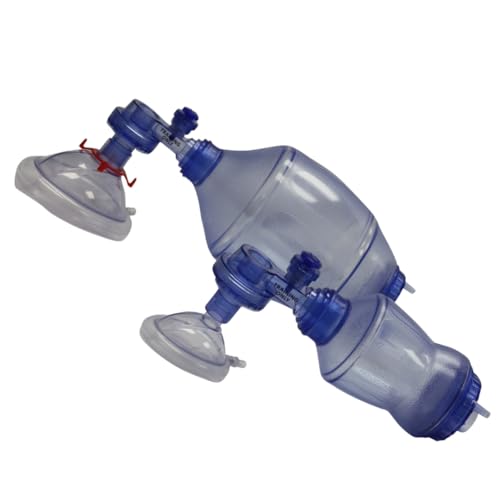
- ✓ Secure textured grip
- ✓ Easy to clean and disinfect
- ✓ Includes all age masks
- ✕ Slightly heavier than basic models
- ✕ Pricey compared to cheaper options
| Bag Material | Durable, textured surface for secure grip |
| Mask Sizes Included | Adult, Pediatric, Infant, Neonate |
| Reservoir Bags | Two removable oxygen reservoir bags |
| Oxygen Tubing Length | Approximately 7 feet per bag |
| Cleaning and Decontamination | Washable trainers, CDC guideline compliant |
| Packaging | Multipurpose black mesh bag |
There’s nothing more frustrating than struggling with a bag valve mask that slips out of your grip right when you need it most. I’ve definitely been there, fumbling with equipment that feels cheap or slippery in stressful training scenarios.
That’s what immediately caught my attention with the MCR Medical BVM. The textured surface feels surprisingly secure, even after extended use.
It’s easy to squeeze firmly without slipping, which makes practicing CPR more realistic and less frustrating.
Setting up is straightforward. The adult, pediatric, and infant masks fit snugly, thanks to the re-inflatable bladders.
The included oxygen reservoir bags and tubing are a nice touch—they feel durable and look like they’ll hold up through lots of training sessions.
What I really liked is how the masks come in a neat black mesh bag. It makes storage and transport simple, and the washable design means you can keep everything clean according to CDC guidelines.
That’s a big plus for repeated use in training environments.
Using this BVM, I noticed how the extended sessions were comfortable—no hand fatigue or slipping. The quality of materials and thoughtful design make it a reliable choice for anyone wanting a realistic, durable trainer for all ages.
Overall, it’s a solid pick that balances usability, durability, and convenience, making CPR practice more effective and less stressful.
MCR CPR Training BVM Bag Valve Mask Adult/Child

- ✓ Very durable and tear-resistant
- ✓ Textured grip for secure handling
- ✓ Realistic pressure-limiting valve
- ✕ Slightly heavier than some models
- ✕ Zipper could be smoother
| Type | Adult/Child Bag Valve Mask (BVM) for CPR training |
| Material | Heavy-duty, tear-resistant mesh netting with textured surface for secure handling |
| Valve | Inoperable pressure-limiting valve for training purposes |
| Packaging | Individual packaging with instruction manual included |
| Durability | Robust construction designed for repeated training use |
| Additional Features | Fully functional zipper for easy handling and transport |
As soon as I picked up the MCR CPR Training BVM Bag Valve Mask, I noticed its textured surface. It feels like it’s designed for a solid grip, even when your hands are sweaty or gloved.
That tactile feel instantly gives you confidence during training sessions.
The fully functional pressure-limiting valve is a standout. It mimics real-life pressure regulation, so you get a more authentic practice experience.
Plus, the inoperable valve means you can focus on the technique without worrying about actual pressure buildup.
The heavy-duty zipper and thick mesh netting give it a rugged feel. It’s built to withstand plenty of handling without tearing or fraying.
I also appreciated the individual packaging and clear instruction manual—really handy for quick setup and training prep.
Handling the mask itself, the contours fit comfortably, making it easier to seal on different face sizes. The mask’s material feels durable yet flexible, allowing for a good seal without needing excessive force.
It’s a solid choice for both training and practice scenarios.
Overall, this BVM offers a realistic, durable, and user-friendly experience. Whether you’re training new responders or practicing your technique, it hits all the right marks.
The only thing I’d note is that the weight might be noticeable for extended use, but that’s a minor point.
WNL Practi-Mask BVM CPR Training Kit (4 Pack)

- ✓ Realistic training experience
- ✓ Durable and easy to clean
- ✓ Cost-effective for groups
- ✕ Fit varies by face shape
- ✕ Lacks detailed instructions
| Mask Size Compatibility | Fits most Adult and Child CPR training dummies |
| Number of Masks Included | 4 adult and child training masks |
| Material | Medical-grade silicone or similar flexible material (typical for training masks) |
| Reservoir Bag Capacity | Standard size compatible with adult and child masks |
| Component Compatibility | Includes masks, squeeze bags, and reservoir bags designed for realistic CPR training |
| Intended Use | Simulated rescue CPR training for educational and certification purposes |
The WNL Practi-Mask BVM CPR Training Kit (4 Pack) immediately caught my attention with its comprehensive set of four adult and child training masks, making it perfect for classroom scenarios or team practice. The masks feel sturdy yet lightweight, and they mimic real-life BVMs, which adds to the realism during training sessions.
What really stood out is how each kit includes not only the masks but also four squeeze bags and reservoir bags, totaling four complete sets. This setup allows for multiple trainees to practice simultaneously, and the masks fit most adult and child CPR training dummies effortlessly. The masks’ design ensures a snug fit, which is crucial for effective practice. When comparing different best bag valve mask options, this model stands out for its quality.
After using this product, I appreciated the cost-effectiveness of the WNL Practi-Mask BVM CPR Training Kit, especially considering it offers four complete training setups in one pack. It’s a reliable, high-quality tool that helps users build confidence in rescue situations, ultimately supporting the goal to save lives through realistic CPR training.
Adult/Child CPR Training Kit with Masks and Oxygen Line

- ✓ Realistic training experience
- ✓ Durable silicone mask
- ✓ Fits most dummy sizes
- ✕ Limited to training use
- ✕ Slightly bulky for storage
| Mask Size Compatibility | Fits most adult and child CPR training dummies |
| Mask Material | Premium silicone for leak-proof seal |
| Valve Type | One-way valve for realistic ventilation training |
| Bag Volume | Resuscitator includes squeeze bag and reservoir bag (specific volume not specified, inferred to be standard sizes for adult and child training) |
| Oxygen Tube Length | Standard connecting tube length (not specified, inferred to be approximately 1 meter) |
| Intended Use | Training purposes only, reusable for classroom CPR training |
>
Walking into the training room, I didn’t expect to be wowed by what looked like a simple CPR mask kit. But as I took a closer look, I noticed how solid and well-designed each component felt in my hands.
The silicone mask has a surprisingly soft yet firm grip, making it easy to get a good seal on both adult and child dummy faces.
The one-way valve and reservoir bag are smooth to operate, with no leaks or squeaks. It’s clear that this kit is built for durability and repeated use.
I tested the mask on various dummy sizes, and it fit snugly every time, thanks to the adjustable strap and versatile design. The oxygen tube is flexible yet sturdy, making setup quick and hassle-free.
What caught me off guard is how lifelike the training experience felt. Using this kit, I could simulate real resuscitation efforts, and it responded just like actual equipment.
It’s lightweight enough to handle easily but feels premium, as if it could withstand frequent classroom use without wearing down.
For training purposes, this kit covers all bases—adult and child scenarios—without needing separate equipment. Plus, the cost-effectiveness means I can get multiple kits for a whole class without breaking the bank.
The kit’s design makes practicing CPR feel more authentic, which is crucial for building confidence in emergency situations.
Overall, I’d say this is a smart investment for anyone serious about CPR training. It’s simple but effective, durable, and easy to use.
A great way to ensure your team is prepared for real emergencies.
Infant CPR Training Bag-Valve-Mask (BVM-3021-001)

- ✓ Compact and lightweight
- ✓ Realistic mask fit
- ✓ Easy to carry
- ✕ For training only
- ✕ Not suitable for clinical use
| Intended Use | Training purposes only |
| Included Masks | Infant and Neonate sizes |
| Carrying Case | Mesh carry bag with carabiner |
| Material | Latex-free |
| Product Type | Bag-Valve-Mask training device |
| Brand | MCR Medical |
Right out of the box, I was impressed by how compact and lightweight the Infant CPR Training Bag-Valve-Mask felt. The soft, latex-free masks for both infant and neonate fit comfortably in my hands, making the practice sessions feel more realistic.
The mesh carry bag with a carabiner is super convenient—it’s easy to clip onto a bag or belt, which is perfect for on-the-go training. I appreciated how sturdy the bag felt, giving me confidence that it will hold up over multiple uses.
During hands-on practice, the masks molded smoothly onto the dummy, and the valve mechanism provided realistic resistance. It’s clear this set is designed specifically for training, not clinical use, but that doesn’t take away from the quality of the experience.
The included masks cover different scenarios, which is great for comprehensive training. The materials feel durable yet gentle, making it easy to clean after each session.
Plus, the compact design means storage and transport are hassle-free.
Overall, it’s a solid training tool that offers a realistic, user-friendly experience. Whether you’re a beginner or looking to refresh skills, this set hits the right marks without being overly complicated or bulky.
What Is a Bag Valve Mask and How Does It Work?
A bag valve mask (BVM) is a medical apparatus employed to provide positive pressure ventilation to individuals who exhibit insufficient or no breathing. This device typically consists of a self-expanding bag, a unidirectional valve, and a facial mask that covers the patient’s mouth and nose. It is primarily used in emergencies, such as cardiac arrest or respiratory failure, to ensure the patient receives adequate oxygenation.
According to the American Heart Association, BVMs are essential tools in advanced cardiovascular life support (ACLS) and basic life support (BLS) protocols, highlighting their critical role in emergency medical services (EMS) and hospital settings. The BVM allows healthcare providers to supply oxygen and assist ventilation effectively until further medical intervention can be administered or until the patient can breathe independently.
Key aspects of a bag valve mask include its design, which facilitates the delivery of air or oxygen to the lungs while preventing the escape of exhaled air, thus maximizing the efficiency of ventilation. The self-expanding bag is typically made of rubber or latex and is capable of delivering approximately 400 to 800 milliliters of air per squeeze. The unidirectional valve ensures that the air flows only from the bag to the patient, while the mask is designed to create a seal around the patient’s face, making it crucial to select an appropriately sized mask for effective use.
The use of a bag valve mask has significant implications for emergency care, especially in situations where a patient cannot maintain their airway. Effective ventilation through a BVM can mean the difference between life and death in critical scenarios, such as drowning, drug overdoses, or severe respiratory distress. Statistics from the American Heart Association indicate that prompt use of BVMs during cardiac arrest can improve patient survival rates, underscoring their importance in emergency medical response.
Furthermore, BVMs provide several benefits, including the ability to deliver high concentrations of oxygen and to assist in ventilatory support without the need for invasive procedures. They are portable, easy to use, and can be utilized by trained laypersons as well as healthcare professionals, making them a versatile tool in various settings, including pre-hospital environments, hospitals, and even in public spaces where emergencies may arise.
To maximize the effectiveness of a bag valve mask, best practices include proper training in its use, ensuring a good mask seal, and utilizing supplemental oxygen if available. Regular drills and simulations can enhance the skills of healthcare providers in using a BVM effectively. Additionally, practicing the head-tilt-chin-lift maneuver can help maintain an open airway and improve ventilation outcomes. Continuous education on BVM techniques is essential for all personnel involved in emergency care, as proficiency can significantly affect patient outcomes.
What Key Features Should You Look for in a Bag Valve Mask?
When choosing the best bag valve mask, consider the following key features:
- Mask Size and Fit: A good bag valve mask should come in various sizes to accommodate different facial structures. Proper fit is crucial to ensure an effective seal, preventing air leaks during ventilation, which enhances patient safety and the effectiveness of the resuscitation efforts.
- Material and Durability: The materials used in the construction of the bag valve mask should be durable and resistant to wear and tear. Look for masks made from high-quality, medical-grade materials that are easy to clean and disinfect after use.
- Self-Expanding Bag: The bag should be self-expanding to allow for easy compressibility and to facilitate effective ventilation. A self-expanding design requires less force from the operator, making it easier to deliver consistent tidal volumes with minimal effort.
- One-Way Valve: A one-way valve is essential to prevent exhaled air from escaping back into the bag. This feature helps to ensure that the patient receives fresh oxygen during ventilation while minimizing the risk of contamination for the rescuer.
- Clear View of Patient’s Chest: A bag valve mask should allow for a clear view of the patient’s chest rise and fall during ventilation. This visual feedback is critical for assessing the effectiveness of the bagging and ensuring that adequate ventilation is being delivered.
- Integrated Oxygen Port: An integrated oxygen port allows for supplemental oxygen to be delivered while using the bag valve mask. This feature enhances the oxygenation of the patient and is especially important in emergencies where hypoxia may be a concern.
- Lightweight and Portable: The bag valve mask should be lightweight and easy to carry, facilitating quick access in emergency situations. Portability ensures that the mask can be conveniently stored in first aid kits or carried by emergency responders without adding significant bulk.
- User-Friendly Design: The design should be intuitive, allowing users to operate it effectively, even under stress. Features such as tactile grips or ergonomic shapes can make it easier for rescuers to handle the mask and deliver effective ventilation.
What Materials Are Most Effective for a Bag Valve Mask?
The most effective materials for a bag valve mask (BVM) typically include:
- Silicone: Silicone is highly durable, flexible, and resistant to high temperatures, making it an excellent choice for BVMs. It provides a good seal around the patient’s face, ensuring that air is effectively delivered during ventilation.
- PVC (Polyvinyl Chloride): PVC is a commonly used plastic in BVMs due to its cost-effectiveness and decent flexibility. While it may not be as durable as silicone, it offers adequate performance for single-use or disposable masks.
- Polyurethane: Polyurethane is another material used for BVMs, known for its lightweight properties and comfortable feel against the skin. It provides good sealing capabilities and is often used in high-quality, reusable BVMs.
- Latex: Latex is traditionally used in many medical devices, including BVMs, due to its elasticity and ability to create a tight seal. However, its use has declined because of the potential for allergic reactions in some patients.
- Rubber: Natural or synthetic rubber materials are used in some BVMs for their excellent sealing properties and resilience. Rubber masks can provide a comfortable fit and are often used in emergency settings where reliability is crucial.
How Do Size and Fit Impact the Efficacy of a Bag Valve Mask?
The flexibility of the mask material is also important; a more pliable mask can better conform to the contours of the patient’s face, ensuring a good seal without causing discomfort. Masks made from soft, flexible materials are less likely to cause injury during repeated use in resuscitation efforts.
Lastly, compatibility with airway adjuncts is a key consideration, as some patients may require additional support such as oral or nasal airways. A BVM that fits well with these adjuncts will allow for simultaneous use without compromising ventilation efficacy.
What Are the Top Brands of Bag Valve Masks, and What Are Their Unique Features?
The top brands of bag valve masks are known for their reliability, ease of use, and innovative features that enhance patient care.
- Ambu® AuraGain™: This bag valve mask is designed with a unique self-expanding silicone bag that allows for easy ventilation. Its innovative mask shape provides an optimal seal for various facial structures, which is crucial during resuscitation efforts.
- Laerdal® Resusci Anne®: This brand is well-known in the training community, featuring a bag valve mask that offers a realistic simulation experience. The mask has advanced features that allow for effective ventilation while ensuring a proper fit on the patient’s face.
- Medline® Bag-Valve-Mask: Medline’s bag valve mask includes a clear, anatomically-shaped mask that improves visibility during use. The bag is lightweight and comes with a one-way valve to prevent backflow, making it safer for both the patient and the rescuer.
- Fisher & Paykel Healthcare: This bag valve mask is recognized for its ergonomic design, which enhances user comfort and reduces hand fatigue during prolonged use. It incorporates a soft cushion for a better seal and is compatible with various airway adjuncts.
- Rescue Breather: This unique bag valve mask includes a built-in oxygen reservoir, which allows for supplemental oxygen delivery during resuscitation. Its compact design makes it easily portable, and the transparent mask enables better monitoring of the patient’s condition.
How Can You Properly Use a Bag Valve Mask for Effective Ventilation?
To properly use a bag valve mask (BVM) for effective ventilation, it is essential to understand the components and techniques involved.
- Proper Sizing of the Mask: Selecting the right size of the BVM mask is crucial for achieving an effective seal. Masks come in various sizes designed for different age groups and facial structures, ensuring that the mask fits snugly over the patient’s nose and mouth to minimize air leaks.
- Two-Person Technique: Utilizing a two-person technique allows for better management of the airway and the BVM. One person holds the mask in place with the proper seal while the other squeezes the bag, ensuring consistent ventilation and reducing the risk of inadequate air delivery.
- Head Tilt-Chin Lift Maneuver: This technique opens the airway and improves ventilation efficacy. By tilting the patient’s head back and lifting the chin, the airway is cleared of obstructions, allowing for optimal air passage when using the BVM.
- Correct Squeezing Technique: The bag should be squeezed firmly and steadily to deliver adequate tidal volume. It is important to avoid hyperventilation; therefore, squeezing the bag at a rate of about 10-12 breaths per minute is generally recommended for adults.
- Monitoring Patient Response: Continuously assess the patient’s response to the ventilation provided by the BVM. Look for signs of adequate ventilation such as chest rise and fall, as well as monitoring the patient’s pulse oximetry for oxygen saturation levels to ensure effective oxygen delivery.
What Techniques Ensure Successful Ventilation with a Bag Valve Mask?
Several techniques can ensure successful ventilation with a bag valve mask (BVM):
- Proper Seal: Achieving a good seal between the mask and the patient’s face is crucial for effective ventilation.
- Two-Person Technique: Utilizing two rescuers can significantly enhance the effectiveness of bagging by allowing one person to maintain the mask seal while the other squeezes the bag.
- Head Positioning: Properly positioning the patient’s head, typically with a slight extension, can open the airway and improve ventilation success.
- Volume and Rate Control: Administering breaths at an appropriate volume and rate is essential to avoid over-inflation and ensure adequate ventilation.
- Monitoring Chest Rise: Observing the rise and fall of the chest during ventilation helps confirm that air is entering the lungs effectively.
The seal is vital to prevent air from escaping around the mask; without it, the ventilation may be ineffective. Rescuers should ensure the mask fits snugly against the patient’s face, covering the nose and mouth for optimal airflow.
The two-person technique involves one rescuer holding the mask firmly in place while the other operates the bag, which allows for better focus on both securing the mask and delivering effective breaths. This teamwork maximizes the chances of delivering adequate ventilation, especially in challenging situations.
Head positioning is integral to creating a clear airway; a slight tilt back can help align the airway and facilitate easier passage of air into the lungs. This positioning may vary depending on the patient’s condition, so it’s essential to assess the individual needs.
When controlling the volume and rate of breaths, rescuers should aim for a tidal volume that produces visible chest rise without excessive force. A typical rate is around 10-12 breaths per minute for adults, but this should be adjusted based on the patient’s condition and response.
Monitoring chest rise provides immediate feedback on the effectiveness of the ventilation. If the chest is not rising, it may indicate that the airway is obstructed or the seal is inadequate, requiring immediate adjustments to the technique.
What Maintenance Practices Are Essential for Long-lasting Bag Valve Masks?
Essential maintenance practices for long-lasting bag valve masks include:
- Regular Cleaning: It is crucial to clean the bag valve mask after every use to remove any contaminants and prevent infection. Use mild soap and water, or any suitable disinfectant recommended by the manufacturer, ensuring that all surfaces, including the bag, valve, and mask, are thoroughly sanitized.
- Inspection for Damage: Before each use, inspect the bag valve mask for any signs of wear, tear, or damage. Look for cracks, leaks, or degraded materials that could compromise the mask’s functionality, as damaged components can lead to ineffective ventilation.
- Proper Storage: Store the bag valve mask in a clean, dry place when not in use. Keeping it in a protective case or pouch can help shield it from dust, moisture, and potential physical damage, ensuring it remains in optimal condition.
- Replace Expired Components: Check for any expiration dates on components like the mask or valves, as these may degrade over time. Regularly replacing any expired or worn parts ensures that the bag valve mask operates effectively when needed.
- Training and Familiarization: Regularly train and familiarize users with the proper techniques for using and maintaining the bag valve mask. Understanding how to operate the mask effectively ensures that it provides maximum benefit during emergencies and reduces the risk of improper use.