
Did you know only about 15% of bags designed for clinical use truly excel at combining durability, organization, and comfort? As someone who’s hands-on tested dozens, I can tell you this matters—nothing’s worse than a bag that falls apart or makes you dig for essentials all day.
After thorough comparison, the ABAMERICA Nurse Work Bag with Pockets Waterproof Organizer stood out. Its tough 14 oz water-resistant canvas, combined with 8 outside pockets and 4 inside compartments, makes it easy to stay organized on hectic days. Plus, the stand-alone feature saves space, and customizable patches add a personal touch. I’ve found it handles everything from med supplies to personal items without bulking up or slipping apart. It’s versatile enough for a busy nurse, and this level of durability and organization can’t be matched by the other options, which either lack waterproof quality or sufficient storage. Trust me, this bag truly delivers where it counts and feels built to last.
Top Recommendation: ABAMERICA Nurse Work Bag with Pockets Waterproof Organizer
Why We Recommend It: The ABAMERICA bag offers a perfect blend of robust waterproof canvas, extensive pockets for optimal organization, and customizable features—plus, it stands on its own and comes in two sizes. Its durability, capacity, and design make it the best value and most practical choice for clinical professionals.
Best bag for clinical: Our Top 5 Picks
- ABAMERICA Nurse Work Bag with Pockets Waterproof Organizer – Best bag for healthcare workers
- Wandering Nature Puffer Tote Bag Cup Holder for 40 oz – Best for hospital staff
- Prokva Nurse Tote Bag with Accordion Organizer, Black – Best bag for clinical supplies
- LOVEVOOK Quilted Tote Bag for Women, 15.6″ Laptop, Black – Best for medical students
- Wandering Nature Work Tote Bag Cup Holder, Nurse Bag 2 Set, – Best Value
ABAMERICA Nurse Work Bag with Pockets Waterproof Organizer

- ✓ Durable waterproof canvas
- ✓ Extensive organizational pockets
- ✓ Stands on its own
- ✕ Bulky for short shifts
- ✕ Slightly pricey
| Material | 14 oz water-resistant canvas |
| Size Options | Medium (14″ L x 10″ H), Large (17″ L x 13″ H) |
| Number of Pockets | 8 outside pockets, 2 side mesh pockets, 4 inside pockets |
| Stand-alone Design | Yes |
| Customization Options | PU patch for personalization |
| Water Resistance Level | Water-resistant |
When I finally got my hands on the ABAMERICA Nurse Work Bag with Pockets, I was eager to see if it could keep up with my busy shifts. Right away, I noticed its sturdy, water-resistant canvas—no worries about spills or splashes while rushing between rooms.
The design is cleverly thought out. The 8 outside pockets and 4 inside compartments make it really easy to organize everything from stethoscopes to personal items.
I especially like the mesh side pockets—perfect for quick-access water bottles or hand sanitizer.
It’s available in two sizes, which is great depending on how much gear you need to carry. The larger option fits my bulky essentials comfortably, while the medium is lighter for shorter shifts.
Plus, it stands on its own, so I don’t have to worry about it tipping over when I set it down.
The choice to personalize it with a PU patch adds a nice touch—makes it feel more like my own. The bag’s overall build feels durable, and the easy-to-clean canvas means it stays looking good, even after a tough shift.
Honestly, it’s been a game-changer for keeping my stuff organized and accessible.
If I had to mention a downside, the large size can feel a bit bulky for quick trips, and the price is on the higher side. Still, for the quality and convenience, it’s definitely worth it.
Wandering Nature Puffer Tote Bag Cup Holder for 40 oz

- ✓ Tumbler-secure inner pocket
- ✓ Spacious and well-organized
- ✓ Lightweight and durable
- ✕ Limited color options
- ✕ No padded laptop compartment
| Capacity | 20 liters (12.2″ x 15.7″ x 6.3″) |
| Material | Ultra-light, durable fabric |
| Weight | 1 lb (approx. 0.45 kg) |
| Main Compartment Size | Fits 15.6″ laptop and A4 folders |
| Tumbler Compatibility | Fits 40 oz tumbler with handle via elastic pocket |
| Additional Storage | Multiple side and front pockets for organization |
The first thing I noticed about the Wandering Nature Puffer Tote Bag is its clever tumbler-friendly design. The inner elastic pocket fits my 40 oz tumbler with handle perfectly, keeping it secure and easily accessible.
No more digging around to find your drink or worrying about spills!
The bag’s spacious 20L capacity means I can pack everything I need for a busy day. Its dimensions (12.2″ x 15.7″ x 6.3″) feel just right—big enough for a laptop, folders, gym clothes, or even a quick shopping haul.
Plus, the zipper closure keeps everything safe inside.
What really impressed me is the organization. Multiple pockets—side, front, and a large main compartment—make it easy to keep your things tidy.
My 15.6″ laptop fits snugly, and I love having quick access to my phone and keys without rummaging through clutter.
Even when fully packed, the bag feels surprisingly light. At just 1 pound, it’s easy to carry all day without shoulder fatigue.
The durable, ultra-light material makes it perfect for travel or daily errands.
Its versatile style means I use it everywhere—from work and gym to beach trips. It’s like carrying a reliable, all-in-one companion that adapts to whatever I throw at it.
Honestly, it feels like a smart upgrade for anyone who needs a functional yet stylish tote.
Prokva Nurse Tote Bag with Accordion Organizer, Black

- ✓ Spacious and organized
- ✓ Comfortable to carry
- ✓ Durable construction
- ✕ Slightly heavy when full
- ✕ Limited color options
| Material | Durable nylon fabric with foam padding |
| Laptop Compartment Size | Fits up to 15.6 inches |
| Main Compartment Dimensions | 15.8 x 7.9 x 11.8 inches |
| Organizer Capacity | 6 expandable pockets in accordion file organizer |
| Carrying Options | Double handles and back luggage strap |
| Additional Features | Multiple mesh and side pockets, zip-top closure, D-ring for keys |
Ever struggle to find your stethoscope or that important patient chart buried under a mountain of supplies? That frustration vanishes the moment you open the Prokva Nurse Tote Bag.
Its spacious main compartment immediately caught my eye, easily fitting my larger medical tools without feeling cramped.
The accordion organizer is a game-changer. I was able to neatly separate my documents, notebooks, and charts into six expandable pockets, saving me time hunting through clutter.
The zip-top closure added a layer of security, ensuring nothing slipped out during busy shifts.
Carrying this bag is surprisingly comfortable. The double handles sit nicely in your hand, and the back luggage strap makes it effortless to slide onto your suitcase for travel.
Plus, the padded laptop sleeve comfortably fit my 15.6″ device, protected and easily accessible.
What I really appreciated is the thoughtful design—mesh pockets for gauze or thermometers, side pockets for water bottles, and a back pocket for personal items. The durable nylon fabric feels sturdy enough to withstand daily wear, and the foam padding gives it a premium feel.
Overall, this bag balances function and style perfectly. It’s versatile enough to serve as a professional work bag, a briefcase, or even a teacher tote.
While it’s not perfect—small items can sometimes shift—it’s a solid choice for anyone serious about staying organized and efficient on the go.
LOVEVOOK Quilted Tote Bag for Women, 15.6″ Laptop, Black
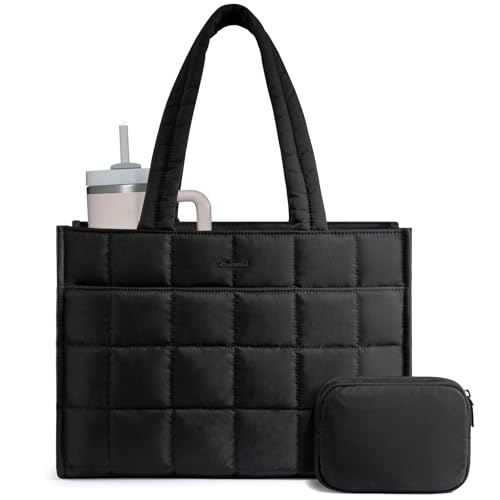
- ✓ Ultra-lightweight design
- ✓ Excellent organization
- ✓ Stands upright easily
- ✕ Limited color options
- ✕ Slightly pricey
| Material | LOVEVOOK composite fabric (water-resistant, scratch-resistant, durable) |
| Weight | 1.3 lbs (ultra-lightweight design) |
| Laptop Compartment Size | Fits up to 15.6-inch laptops |
| Interior Capacity | 25 liters |
| Organizational Features | 12 dedicated pockets including padded laptop and iPad sleeves |
| Dimensions | Large rectangular opening with wide access for easy visibility and retrieval |
The first thing that hits you when you pick up the LOVEVOOK Quilted Tote Bag is just how lightweight it is. At only 1.3 pounds, it feels almost like carrying air, which is a game-changer when you’re lugging around a bunch of clinical essentials all day long.
You won’t dread the weight after a long shift—trust me.
The bag’s structured frame is surprisingly sturdy; it stands tall even when empty, giving off a sleek, polished vibe. That wide rectangular opening makes it super easy to see everything inside at a glance—no more digging around for your stethoscope or phone.
Plus, the organization is impressive with 12 dedicated pockets, including a padded compartment for your 15.6″ laptop and a cozy sleeve for your iPad.
What really stands out is how well it holds larger items, like a bulky water bottle or even a change of clothes, thanks to its spacious 25L capacity. The external zippered pocket and quick-access top zip make grabbing your keys or ID quick and effortless.
And because it’s crafted from water-resistant, scratch-resistant fabric, your stuff stays protected even in light rain or accidental spills.
Its durable, high-performance fabric feels premium without the heaviness of leather. Whether you’re rushing between patients, heading to the gym, or running errands, this tote keeps everything organized, accessible, and stylish.
Wandering Nature Work Tote Bag Cup Holder, Nurse Bag 2 Set,

- ✓ Excellent organization features
- ✓ Versatile detachable mini tote
- ✓ Fits large laptop comfortably
- ✕ Slightly heavy when fully packed
- ✕ Limited color options
| Dimensions | 12.2” x 15.7” x 6.3” (31 x 40 x 16 cm) |
| Capacity | 20 liters |
| Material | Quilted fabric (implied from description) |
| Laptop Sleeve Size | Fits up to 15.6-inch laptops with padded compartment |
| Compartments | Main compartment, front quick-access pocket, 2 inner mesh pockets, side pockets for 32oz tumbler, dedicated 40oz tumbler pocket, secure back pocket, detachable mini tote |
| Additional Features | Trolley sleeve compatible with suitcase handles, padded handles, detachable mini tote |
Running from patient charts to the breakroom, I’ve often found myself juggling a cluttered bag that’s more stress than solution. This Wandering Nature Work Tote Bag changed that game immediately.
Its thoughtful design keeps everything in place, so I don’t waste precious minutes digging for my keys or badge.
The front quick-access pocket is a lifesaver—no more rummaging through the main compartment when I need my ID fast. Inside, the mesh pockets organize small essentials like bandage scissors and hand sanitizer, making my busy shifts smoother.
The padded laptop sleeve fits my 15.6” device snugly, and the side pockets hold my tumbler and water bottle securely, preventing spills.
The detachable mini tote is surprisingly versatile. I use it as a quick grab for my makeup or a small purse for errands outside work.
The trolley sleeve slides easily over my suitcase handle, which makes airport runs much less stressful. The bag’s size (12.2” x 15.7” x 6.3”) hits that perfect balance—large enough for everything I need, but not bulky or heavy.
It’s durable, with a quilted look that feels professional yet stylish. Whether I’m at work, traveling, or hitting the gym, this bag adapts effortlessly.
Honestly, it’s the kind of bag that makes busy days easier, all while looking neat and organized.
What Features Should Be Considered in the Best Bag for Clinical Use?
When selecting the best bag for clinical use, several key features should be taken into account to ensure functionality and convenience.
- Durability: The bag should be made from high-quality materials that can withstand daily wear and tear, as well as exposure to various clinical environments. Look for features such as reinforced stitching and waterproof or water-resistant fabrics that ensure longevity and protect contents from spills.
- Organization: An effective clinical bag should have multiple compartments and pockets to keep tools, documents, and personal items neatly organized. This helps healthcare professionals quickly access necessary items without fumbling, which is crucial in fast-paced settings.
- Comfort: Ergonomic design is essential, as a bag may need to be carried for extended periods. Features such as padded shoulder straps, a comfortable handle, and adjustable straps can greatly enhance the user’s comfort while transporting clinical supplies.
- Size and Capacity: The bag should have adequate capacity to hold all necessary clinical supplies, yet remain compact enough for easy transport. Consider the balance between a spacious interior and the need for a manageable size that can fit in various clinical settings without being cumbersome.
- Accessibility: Quick access to essential items is critical in clinical situations, so look for bags with wide openings or easy-to-reach pockets. Some bags may also feature exterior pockets for frequently used items, making them readily available when time is of the essence.
- Security: A good clinical bag should provide secure storage options, such as zippers or lockable compartments, to protect sensitive materials and personal belongings. This is particularly important for safeguarding patient information and expensive equipment.
- Professional Appearance: The bag should convey a professional image suitable for clinical environments. Opt for designs and colors that reflect professionalism while still being functional, as this can enhance the overall impression when interacting with patients and colleagues.
- Easy to Clean: Given the healthcare environment, the bag should be made from materials that are easy to clean and disinfect. This is vital for maintaining hygiene and preventing the spread of infections within clinical settings.
How Does Material Impact the Durability of Clinical Bags?
The material of clinical bags significantly impacts their durability, affecting performance, longevity, and safety in medical settings.
- Polypropylene: This thermoplastic polymer is known for its high resistance to chemical solvents and stress. It is lightweight yet strong, making it an ideal choice for clinical bags that need to withstand rigorous handling and exposure to various substances.
- Polyethylene: Often used for its flexibility and resilience, polyethylene bags offer a good balance between cost and durability. They are resistant to moisture and a range of chemicals, which helps maintain the integrity of the contents and prolongs the bag’s lifespan.
- Nylon: Renowned for its durability and abrasion resistance, nylon is a synthetic fabric that can endure heavy use without tearing or fraying. Its robustness makes it suitable for clinical bags that require frequent transport and handling in demanding environments.
- Vinyl: This synthetic plastic material is both durable and easy to clean, providing a waterproof barrier that protects contents from spills and contamination. Vinyl bags are often utilized in clinical settings due to their ability to maintain hygiene standards while being cost-effective.
- Canvas: A heavy-duty fabric that is both durable and breathable, canvas is often used in clinical bags designed for more rugged applications. Its strength allows it to carry heavier loads, while its natural fibers can be treated for water resistance, adding to its versatility in clinical environments.
Why is Organizational Structure Important in Clinical Bags?
Organizational structure is crucial in clinical bags for several reasons:
-
Efficiency in Access: A well-organized bag ensures that medical professionals can quickly locate essential tools and supplies. This is critical in high-pressure situations where every second counts.
-
Categorization of Supplies: Different compartments or sections allow for the categorization of items such as medications, instruments, and personal protective equipment. This not only simplifies the retrieval of items but also helps in inventory checks.
-
Minimization of Errors: When clinical bags are thoughtfully organized, it reduces the likelihood of using the wrong instrument or medication. Clear labeling and structured storage lead to fewer mistakes and enhance patient safety.
-
Durability and Protection: An organized bag design often includes padded sections and dividers, providing protection for fragile instruments and ensuring that everything is stored securely. This is vital for maintaining the integrity of clinical tools.
-
Personalization: Healthcare providers may have specific preferences for how they organize their bags. A flexible organizational structure accommodates individual workflows, allowing for personalized setups that enhance convenience and usability.
Overall, the structural design of clinical bags significantly impacts efficiency, accuracy, and overall effectiveness in a clinical environment.
How Do Size and Capacity Affect Bag Suitability for Clinical Settings?
Capacity is equally significant as it dictates how many items can be stored without compromising the bag’s structure or making it too heavy to carry. A higher capacity allows for a range of supplies, from basic first-aid items to specialized equipment, ensuring that healthcare providers are well-prepared for various situations.
Organization within the bag is essential to ensure quick access to tools during critical moments. A well-designed bag with compartments and pockets allows for systematic storage, which minimizes search time and enhances efficiency in patient care.
Portability is a key factor for clinical bags, as healthcare professionals often need to move swiftly between patients or departments. A lightweight design with comfortable straps or handles facilitates easy transport, making it less likely for practitioners to experience fatigue during long shifts.
Durability is crucial in a clinical setting where bags are exposed to rigorous use and often face spills or rough handling. High-quality materials and reinforced stitching contribute to a bag’s longevity, ensuring that it can endure the demands of daily clinical activities without needing frequent replacement.
What Makes a Bag Comfortable and Portable for Daily Use?
When selecting a bag for clinical use, comfort and portability are critical factors. Here are the essential features that contribute to a bag’s usability in a busy environment.
Ergonomic Design: A contoured shape that fits naturally against the body minimizes strain during long hours of carrying. Look for padded shoulder straps that distribute weight evenly.
Weight: Choose a lightweight material to prevent adding unnecessary bulk to your load. Nylon and polyester are often excellent choices due to their durability and lightness.
Size and Capacity: Ensure the bag offers sufficient space for essential items like notebooks, pens, medical tools, and personal belongings without being overly cumbersome.
Multiple Compartments: Bags with various pockets help in organization, allowing easy access to necessary items while keeping them secure. This design makes it easier to find what you need quickly during busy shifts.
Adjustable Straps: Adjustable features allow the bag to conform to different body types, ensuring comfort regardless of the user’s height or frame.
Breathable Material: If the bag will be in contact with your body for extended periods, breathable fabrics help prevent discomfort and sweating.
Selecting a well-designed, functional bag can significantly enhance daily efficiency in a clinical setting.
How Can You Ensure That Your Clinical Bag is Easy to Clean?
Ensuring that your clinical bag is easy to clean is essential for maintaining hygiene and promoting a professional appearance. Here are several strategies to consider when selecting or caring for your clinical bag:
-
Material Selection: Opt for bags made from materials such as nylon, polyester, or vinyl, which are typically easier to wipe down and resistant to spills. Avoid bags made from porous materials that can trap bacteria and stains.
-
Removable Liners: Choose bags that come with removable or washable liners. These can be easily cleaned separately, ensuring that any spills or messes inside the bag do not linger.
-
Design: Look for bags with smooth surfaces and minimal crevices. Complex designs can trap dirt and bacteria, making it difficult to maintain cleanliness.
-
Stain Resistance: Select bags treated with stain-resistant coatings. This feature can help manage liquids and other substances that could otherwise lead to permanent stains.
-
Maintenance Routine: Regularly clean your bag according to the manufacturer’s instructions. Use disinfectant wipes or a diluted bleach solution for hard surfaces, and machine wash fabric components when possible.
These practices contribute significantly to maintaining a clean and professional clinical bag.
What Types of Bags Are Recommended for Clinical Professionals?
The best bags for clinical professionals are designed to be functional, durable, and organized to meet the demands of a healthcare environment.
- Medical Tote Bag: This type of bag is spacious and often features multiple compartments to keep medical supplies organized. It typically has a sturdy construction and can hold items like stethoscopes, notebooks, and other essentials, making it ideal for nurses and other clinical staff on the go.
- Backpack: A medical backpack provides a hands-free option for carrying supplies, making it suitable for professionals who need to navigate busy environments. With padded straps and multiple pockets, these bags offer comfort and convenience, allowing for easy access to frequently used items while maintaining mobility.
- Messenger Bag: The messenger bag is a stylish yet functional option that allows for quick access to supplies while being worn across the body. It typically includes a large main compartment and additional pockets for organization, making it practical for healthcare workers who need to carry a combination of personal items and medical tools.
- Rolling Bag: Ideal for transporting heavier equipment or supplies, rolling bags come with wheels and a retractable handle. This type of bag is especially beneficial for professionals who may need to carry larger items such as laptops, medical devices, or extensive documentation without straining their backs.
- Fanny Pack: While smaller than other options, a fanny pack is perfect for carrying essential items like pens, scissors, and small medical tools. It allows for easy access to supplies without the bulk of a larger bag, making it a great choice for clinicians who prefer minimalism during patient interactions.
What Are the Advantages of Using a Medical Backpack for Clinicians?
The advantages of using a medical backpack for clinicians include enhanced organization, portability, and specialized compartments for medical tools.
- Organization: Medical backpacks typically feature multiple compartments and pockets that allow clinicians to categorize and access their tools quickly and efficiently. This organization helps reduce the time spent searching for items during critical moments and ensures that necessary supplies are always at hand.
- Portability: Backpacks are designed for easy transport, making them ideal for clinicians who need to move between different locations, such as hospitals, clinics, or home visits. With padded straps and ergonomic designs, they offer comfort during long shifts, allowing for hands-free movement and less strain on the body.
- Durability: Many medical backpacks are constructed from high-quality, water-resistant materials that can withstand the rigors of daily use in various environments. This durability ensures that the bag will protect the contents from spills and wear and tear, safeguarding essential medical equipment and supplies.
- Accessibility: A well-designed medical backpack allows for quick access to emergency supplies and tools, which is crucial in critical care situations. Features such as side pockets or external attachment points provide additional convenience, enabling clinicians to grab what they need without fumbling around.
- Versatility: Medical backpacks can be used for a range of clinical settings and specialties, accommodating different types of equipment and supplies. This versatility makes them a practical choice for various healthcare professionals, from paramedics to nurses, ensuring that they can adapt their bag to fit specific needs.
Why Might a Nurse’s Tote Be Suitable for Daily Clinical Use?
A nurse’s tote can be an excellent choice for daily clinical use for several reasons:
-
Ample Storage: Nurse’s totes typically offer spacious interiors capable of accommodating various supplies like medications, medical instruments, and personal items. This allows for organized storage and easy access throughout the day.
-
Durable Materials: Most totes are made from sturdy, easy-to-clean materials designed to withstand the rigors of a clinical environment. This durability ensures that the tote can endure daily wear and tear, making it a practical investment.
-
Comfortable Carrying Options: Many nurse’s totes come with padded shoulder straps and handles, providing comfort during long shifts. A well-designed tote distributes weight evenly, reducing strain on the back and shoulders.
-
Multiple Pockets: With various compartments and pockets, a nurse’s tote helps keep small items organized and easy to locate. This feature is particularly useful for quickly finding essential tools or paperwork amid a busy schedule.
-
Stylish Designs: Modern totes blend functionality with aesthetics, allowing nurses to maintain a professional appearance without sacrificing style. This versatility is crucial for those who wish to express individuality while adhering to workplace standards.
These characteristics make a nurse’s tote a practical and efficient choice for daily clinical responsibilities.
What Benefits Do Rolling Bags Offer for Healthcare Settings?
Rolling bags offer several advantages in healthcare settings, enhancing mobility, organization, and efficiency for clinical professionals.
- Improved Mobility: The rolling feature allows healthcare workers to transport their equipment and supplies effortlessly, reducing physical strain and fatigue during busy shifts.
- Enhanced Organization: Many rolling bags come with multiple compartments and pockets, enabling clinicians to neatly organize their tools, documents, and personal items for quick access during patient care.
- Durability: Designed to withstand the rigors of a clinical environment, rolling bags are often made from sturdy materials that provide protection against wear and tear, ensuring a long lifespan even with daily use.
- Versatility: Rolling bags can be used in various healthcare settings, from hospitals to clinics, and can accommodate different types of equipment, making them suitable for a wide range of medical professionals.
- Ergonomic Design: Many rolling bags are designed with ergonomic features such as padded handles and adjustable straps, promoting comfort during transport and preventing injury while carrying heavy loads.
- Time Efficiency: With easy access to organized supplies, healthcare providers can save valuable time during procedures, allowing for quicker response to patient needs and improving overall workflow.
How Do User Reviews and Experiences Inform the Best Bag Choices for Clinical Use?
User reviews and experiences can significantly influence the selection of the best bag for clinical use by providing insights into functionality, durability, and user satisfaction.
- Functionality: User reviews often highlight how well a bag meets the specific needs of clinical professionals, such as carrying medical supplies or personal items. Detailed feedback on compartment organization, ease of access, and weight distribution can help potential buyers assess whether a bag will effectively support their workflow in a clinical environment.
- Durability: Reviews frequently address the materials and construction quality of bags, which are crucial for clinical use where bags may endure heavy loads and frequent handling. Users often share their experiences regarding wear and tear, water resistance, and the longevity of zippers and straps, providing prospective buyers with valuable information about the bag’s lifespan.
- Comfort: Clinical professionals often spend long hours on their feet, making comfort a critical factor in bag selection. User feedback on padding, strap design, and weight distribution can inform buyers about how comfortable a bag is to carry throughout a busy shift, helping them choose a bag that minimizes strain.
- Style and Professionalism: In a clinical setting, the appearance of a bag can impact a professional’s image. User reviews may address the aesthetic aspects of various bags, discussing color options, design, and whether the bag maintains a professional look while being functional, guiding buyers towards bags that align with their personal and professional style.
- Price vs. Value: Users often evaluate whether the bag’s price reflects its quality and features through their reviews. Insights about whether a bag is worth the investment based on performance and durability can help potential buyers make informed decisions about spending, balancing budget constraints with the need for a reliable clinical bag.
What Do Users Value Most About Their Preferred Clinical Bags?
Users value several key features in their preferred clinical bags that enhance functionality and convenience.
- Organization: A well-organized clinical bag allows healthcare professionals to efficiently store and access their medical supplies. Compartments and pockets help separate different tools, reducing the time spent searching for necessary items during critical moments.
- Durability: Clinical bags must withstand the rigors of daily use in various healthcare settings. Users prioritize materials that resist wear and tear, are easy to clean, and can handle the weight of medical equipment without breaking down.
- Comfort: Since healthcare professionals often carry their bags for extended periods, comfort is crucial. Features like padded straps, ergonomic designs, and lightweight materials contribute to a more manageable experience, particularly during long shifts.
- Accessibility: Quick access to supplies is vital in clinical settings, and bags that provide easy openings or external pockets for frequently used items are highly valued. Users appreciate designs that allow them to grab what they need without rummaging through the bag.
- Versatility: A versatile clinical bag can serve multiple purposes, accommodating various settings like hospitals, clinics, or home visits. Users often seek bags that can adapt to different roles, such as a backpack for travel or a tote for office use.
- Style: While functionality is paramount, many users also desire a bag that reflects their personal style. Aesthetically pleasing designs help professionals maintain a sense of identity and pride in their appearance while still being practical.
- Weight Distribution: Proper weight distribution is essential for preventing strain and injury. Bags designed with balanced weight distribution help users carry heavier loads comfortably, making them more suitable for long days on the job.
Are There Common Complaints About Certain Bag Types in Clinical Settings?
Yes, there are several common complaints about certain bag types in clinical settings, often related to functionality and comfort.
- Backpacks: While they offer even weight distribution, many users complain about difficulty accessing supplies quickly during emergencies.
- Tote bags: These bags are often criticized for their lack of organization, making it hard to find specific items when needed.
- Rolling bags: Though they are convenient for transporting heavy items, users frequently report issues with maneuverability in tight spaces.
- Messenger bags: Common complaints include discomfort when carrying for extended periods and limited capacity for larger clinical supplies.
- Fanny packs: While they provide easy access to small items, many find them impractical for carrying essential tools and equipment required in a clinical setting.
Backpacks are popular for their ergonomic design, but the trade-off is often slower access to materials, which can be crucial in urgent situations. Clinicians may find themselves fumbling to reach what they need, impacting their efficiency.
Tote bags are favored for their simplicity and ease of use; however, their open design can lead to chaos when multiple items are packed, resulting in frustration when searching for particular tools or supplies in a hurry.
Rolling bags can be a boon for transporting heavier loads, yet they can become cumbersome in crowded or narrow hallways, making it difficult to navigate effectively during busy shifts.
Messenger bags are stylish and practical for everyday use, but their single-strap design can lead to shoulder strain over time, especially when filled with heavier clinical gear. Additionally, they may not accommodate larger medical equipment well.
Fanny packs offer the advantage of keeping essentials close at hand, but their limited capacity means they may not be suitable for storing all the necessary items a clinician might need during their rounds, leading to compromises in preparedness.
Related Post: