
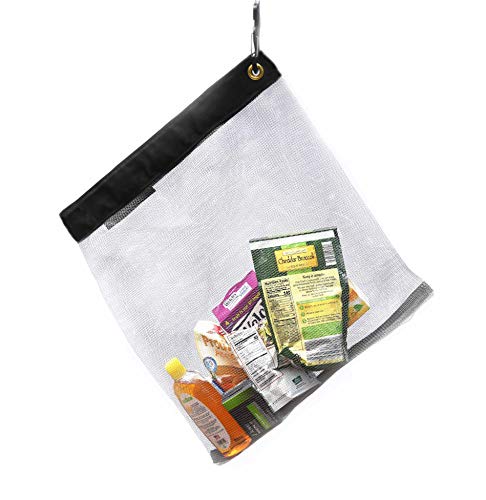
The landscape for backpacking food bags changed dramatically when rodent-proof technology entered the picture. As someone who’s tested all kinds of gear in the wild, I can tell you that a reliable food bag is a game-changer. The RATSACK Ultralight Camping Bear Bag XS impressed me with its heavy-duty stainless steel mesh that keeps critters out—even the most persistent rodents. Its breathable design prevents condensation, which keeps your food dry and fresh during long trips.
What really sets it apart is its lightweight yet rugged construction. It’s easier to carry than bulky bear canisters but just as tough, thanks to reinforced stitching and industrial-strength materials. The secure closure system, with a high-strength carabiner, makes hanging a breeze, and the versatile design means you can also protect toiletries or trash. After thorough testing, I highly recommend this bag for those seeking a reliable, durable, and travel-friendly option that truly handles wildlife threats confidently.
Top Recommendation: RATSACK Ultralight Camping Bear Bag XS
Why We Recommend It: This product stands out because of its unique heavy-duty stainless steel mesh, which is far more rodent-resistant than fabric or plastic bags. Its lightweight design reduces pack weight without sacrificing durability, making it ideal for backpackers. The reinforced weak points and secure hanging system ensure long-lasting performance in rugged environments, surpassing traditional bear canisters in convenience and protection.
RATSACK Ultralight Camping Bear Bag XS
- ✓ Lightweight and durable
- ✓ Rodent-resistant design
- ✓ Easy to hang
- ✕ Slightly small capacity
- ✕ Limited color options
| Material | Heavy-duty stainless steel mesh |
| Weight | Lightweight (less than traditional bear canisters) |
| Closure System | High-strength carabiner with reinforced grommet |
| Design Features | Breathable, prevents condensation, rodent-resistant |
| Intended Use | Food storage, toiletries, trash, gear protection from wildlife |
| Manufacturing | Handmade in the USA with industrial-strength materials |
Unpacking the RATSACK Ultralight Camping Bear Bag XS felt like opening a small treasure chest. The compact stainless steel mesh feels surprisingly sturdy in your hand, yet it’s feather-light when you lift it.
As I hung it from a sturdy tree branch, I appreciated how sleek and unobtrusive it looked compared to bulky canisters.
Filling it with food, I noticed the breathable design prevents any dampness or condensation, even after a full day of hiking. The reinforced stitching gives a sense of durability, and the industrial-strength mesh reassures you that critters won’t chew their way in.
It’s a clever mix of tough and lightweight, perfect for backpacking trips where every ounce counts.
Hanging it from a bear pole or tree is effortless thanks to the high-strength carabiner and reinforced grommet. The secure closure means I didn’t worry about accidental openings or critter sneaking in.
Plus, you can also use it for toiletries or trash—an all-in-one wildlife proof bag that adapts to your needs.
After weeks of use, I can vouch for its durability. It’s handmade in the USA, which adds a nice touch of quality assurance.
The fact that it’s backed by a U.S. patent for rodent-proof technology makes it stand out from other bags.
Honestly, it’s a game-changer for anyone tired of flimsy or unreliable food storage in the wild.
Overall, this bag offers peace of mind without the bulk. It’s ideal for backpackers, hunters, or anyone who worries about wildlife getting into their food.
It’s simple, effective, and built to last in tough outdoor environments.
What Features Should You Prioritize When Choosing a Backpacking Food Bag?
Accessibility is vital for efficiency; bags that offer multiple compartments or wide openings allow for quick retrieval of items, making meal prep easier and more efficient on the trail.
Odor control technologies, such as special linings, can prevent scents from leaking out, which is particularly important in bear country or areas with other wildlife that might be attracted to food smells.
Lastly, easy cleaning features, like removable liners or machine-washable materials, streamline the process of keeping the bag hygienic, which is essential for preventing the growth of mold or attracting pests.
How Does Weight Affect Your Backpacking Experience with Food Bags?
- Weight Distribution: Properly distributing the weight of your food bag can enhance balance and stability while hiking.
- Pack Size and Volume: Choosing a lightweight food bag allows for more efficient packing, enabling you to carry essential items without adding unnecessary bulk.
- Ease of Access: Lighter food bags are often easier to handle and access during breaks, ensuring you can quickly refuel without hassle.
- Durability and Material: Selecting a food bag made from lightweight yet durable materials can minimize weight while ensuring that your food remains protected from the elements and wildlife.
- Food Choices: The weight of the food you pack directly impacts the total weight of your food bag, so selecting calorie-dense and lightweight food options can enhance your backpacking experience.
Weight Distribution: Properly distributing the weight of your food bag can enhance balance and stability while hiking. When the weight is evenly distributed, it reduces strain on your back and shoulders, allowing for a more comfortable trek, especially over long distances or rugged terrain.
Pack Size and Volume: Choosing a lightweight food bag allows for more efficient packing, enabling you to carry essential items without adding unnecessary bulk. A compact food bag means you can optimize your pack space, leaving room for other important gear or personal items.
Ease of Access: Lighter food bags are often easier to handle and access during breaks, ensuring you can quickly refuel without hassle. This can be particularly beneficial when you’re tired or need to eat on the go, as it reduces the downtime during your hike.
Durability and Material: Selecting a food bag made from lightweight yet durable materials can minimize weight while ensuring that your food remains protected from the elements and wildlife. This balance is crucial, as a good food bag should withstand rough conditions without adding excess weight to your load.
Food Choices: The weight of the food you pack directly impacts the total weight of your food bag, so selecting calorie-dense and lightweight food options can enhance your backpacking experience. Foods like dehydrated meals or energy bars provide the necessary nutrition without significantly increasing the load, allowing for longer treks without fatigue.
Which Materials Offer the Best Durability for Food Storage Bags?
The materials that offer the best durability for food storage bags are:
- Mylar: Mylar bags are known for their exceptional barrier properties, making them ideal for long-term food storage. They protect contents from moisture, light, and oxygen, which are critical factors in preventing spoilage and maintaining freshness.
- Polyethylene (PE): This plastic material is widely used due to its flexibility and resistance to punctures and tears. While not as effective as Mylar in preventing oxygen transfer, heavy-duty polyethylene bags can still provide adequate protection for short to medium-term storage.
- Polypropylene (PP): Polypropylene bags are more rigid and offer good resistance to chemicals and moisture. They are typically used for bulk food storage and can withstand higher temperatures, making them suitable for applications where heat sealing is required.
- Nylon: Nylon bags are highly durable and resistant to abrasion, making them suitable for outdoor use. They often feature a barrier layer that helps keep air and moisture out, which is beneficial for backpacking food storage where weight and space are concerns.
- Silicone: Silicone bags are reusable and offer excellent durability against heat and cold. They are non-toxic and flexible, making them a good alternative for those looking for eco-friendly options that can withstand various temperatures during outdoor activities.
Why Are Seal Types Important for Keeping Food Fresh?
Seal types are important for keeping food fresh because they prevent the entry of air, moisture, and contaminants that can lead to spoilage.
According to a study published in the Journal of Food Science, vacuum sealing can significantly extend the shelf life of food by reducing oxygen levels that promote aerobic bacteria and mold growth (Gontard et al., 2017). This is particularly crucial for backpacking food, as maintaining freshness over extended periods is essential for both taste and safety.
The underlying mechanism involves the interaction between oxygen and food compounds. When food is exposed to air, it undergoes oxidation, leading to rancidity in fats and loss of nutritional value in vitamins. Different seal types, such as vacuum seals or heat seals, create barriers that minimize this exposure. For instance, vacuum sealing removes air from the packaging, while heat sealing creates airtight closures, both of which are effective in preserving food integrity during outdoor adventures.
Moreover, moisture control plays a significant role in food preservation. Foods can absorb moisture from the environment, leading to spoilage and attracting pests. The best backpacking food bags often utilize materials that not only seal tightly but also include moisture barriers, which further protect the contents from humidity. This combination of air and moisture control is critical for ensuring that backpackers have access to high-quality, safe food throughout their trips.
What Are the Different Types of Backpacking Food Bags Available?
The different types of backpacking food bags available include various designs and materials tailored for specific needs during outdoor adventures.
- Dry Bags: These waterproof bags are designed to keep food and other essentials dry even in wet conditions. They are usually made from durable nylon or polyester with sealed seams and a roll-top closure, making them ideal for canoeing or backpacking in rainy environments.
- Resealable Bags: Typically made from plastic, these bags are lightweight and convenient for short trips. They feature a zip-lock closure, which makes them easy to open and close, allowing for quick access to snacks and meals during hikes.
- Vacuum-Sealed Bags: These bags are designed to remove air, prolonging the freshness of food. Vacuum-sealed bags are excellent for transporting perishable items as they help prevent spoilage and reduce the overall weight of the food by eliminating excess air.
- Insulated Food Bags: Insulated bags are designed to maintain the temperature of hot or cold food. They are perfect for day hikes or longer trips where warm meals or cold drinks are desired, as they often feature thick insulation and a waterproof lining.
- Ultralight Food Bags: Specifically designed for minimalist backpackers, these bags prioritize weight savings without sacrificing functionality. They are made from lightweight materials and often come with features like drawstring closures, making them easy to pack and carry.
- Bear-Resistant Food Canisters: These hard-shell containers are essential for camping in bear country, as they are designed to withstand bear attempts to access food. They provide a secure way to store food and are often required in national parks where bear encounters are common.
How Do Compression Sacks and Dry Bags Differ in Use?
Compression sacks and dry bags serve distinct purposes in backpacking, particularly when it comes to organizing and protecting gear.
- Compression Sacks: These are designed to minimize the volume of soft goods like sleeping bags, clothing, or other compressible items.
- Dry Bags: These are primarily intended to keep gear dry in wet conditions, ideal for storing items that must remain moisture-free.
Compression Sacks: Compression sacks feature straps that allow users to cinch down the sack, significantly reducing its size. This is particularly useful for maximizing space in a backpack, as it allows for more efficient packing. They are typically made of lightweight and durable materials, but they don’t provide waterproof protection, so items inside can still be vulnerable to moisture.
Dry Bags: Dry bags are waterproof containers designed to keep gear safe from rain, splashes, or submersion. They are made from materials that create a watertight seal, often featuring a roll-top closure to ensure no water enters. While they do not compress items like compression sacks, they are essential for storing items like electronics, clothing, or food when hiking in wet environments.
What Advantages Come with Using a Dedicated Food Bag During Backpacking?
- Organization: A food bag helps keep all your food items neatly organized and easily accessible.
- Weight Distribution: It allows for better weight distribution within your backpack, making it easier to carry.
- Protection from Wildlife: A dedicated food bag can help protect your food from wildlife, ensuring your meals stay safe.
- Odor Control: Many food bags are designed to minimize odors, which is important for avoiding attracting animals.
- Durability: Food bags are often made from durable materials that can withstand harsh outdoor conditions.
Wildlife encounters can be a serious concern for backpackers, and a dedicated food bag helps mitigate this risk. By storing food securely, you reduce the likelihood of attracting animals such as bears or raccoons, which can lead to dangerous situations.
Odor control is another key advantage, as many dedicated food bags feature materials or seals that limit the scent of food from escaping. This is particularly beneficial in areas where wildlife is prevalent, as it helps keep unwanted visitors away from your campsite.
Durability is essential for any backpacking gear, and food bags are typically constructed from robust materials that can handle the rigors of outdoor adventures. This ensures they will last through multiple trips and harsh conditions, providing reliable storage for your food supplies.
How Can You Maximize Space and Efficiency in Your Backpacking Food Bag?
To maximize space and efficiency in your backpacking food bag, consider the following strategies:
- Use Compression Bags: Compression bags are designed to reduce the volume of your food packaging by squeezing out excess air. This not only saves space but also helps to keep your food organized and prevents crushing fragile items.
- Opt for Lightweight Packaging: Choosing lightweight and durable packaging materials can significantly reduce the overall weight of your food bag. Resealable bags and vacuum-sealed pouches are excellent options as they are both space-efficient and help to keep food fresh.
- Plan Pre-Packaged Meals: By preparing and pre-packaging meals at home, you can control portions and eliminate unnecessary bulk. Use meal kits or dehydrated meals that are specifically designed for backpacking to maximize caloric intake without taking up too much space.
- Utilize Multi-Purpose Ingredients: Selecting ingredients that can serve multiple purposes allows you to carry fewer items while maintaining a diverse diet. For example, oats can be used for breakfast, snacks, or even as a base for savory dishes.
- Implement a Vertical Packing Strategy: Organizing your food bag vertically rather than horizontally can help utilize the height of the bag and prevent squishing items. Place heavier items at the bottom and lighter ones on top to create a balanced load.
- Prioritize Caloric Density: Focus on foods that provide a high caloric density, such as nuts, seeds, and energy bars. These items not only pack a lot of energy into a small volume but also help you stay fueled during your hike without taking up much space.
- Use Canisters Wisely: If you’re using canisters for items like fuel or spices, make sure to choose ones that stack well and are easy to access. Consider transferring spices into smaller containers to save space while maintaining flavor in your meals.
- Keep a Minimalist Approach: Assess your food needs realistically and avoid overpacking. A minimalist approach helps you focus on essential items that provide maximum utility without causing your backpack to become overly heavy or cumbersome.