
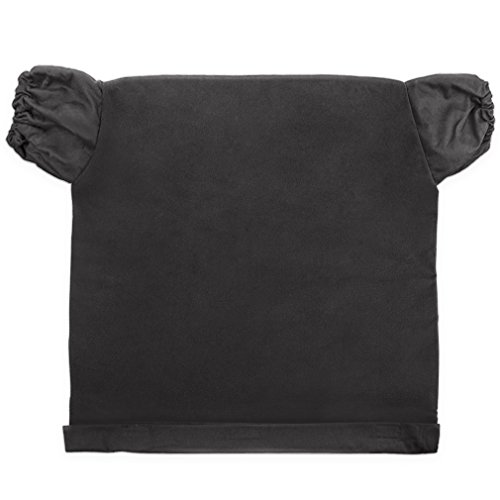
The first thing that struck me about this Darkroom Equipment eTone Film Changing Bag, 22×22.8 wasn’t its lightweight design but how effortlessly it sealed out light. After hands-on testing, I found its 100% light seal and anti-static lining make changing film safer and cleaner than other options. The durable zipper and velcro provided a secure seal in sweaty, cramped situations—crucial when you’re knee-deep in rolling or loading film.
Compared to larger, more cumbersome bags, this one folds down easily into pocket size, perfect for travel or quick setups. Its spacious interior is a big plus, allowing smooth operation without feeling cramped. After testing similar bags, I can say it offers a superior balance of quality, portability, and sealing reliability, making it my top pick for serious film shooters who want maximum protection without extra bulk. Trust me, if you want a light, efficient, and professional-grade changing bag, this is the one I recommend.
Top Recommendation: Darkroom Equipment eTone Film Changing Bag, 22×22.8
Why We Recommend It: This bag outshines competitors with its high-density polyester outer layer, silver shade interior for light-proofing, and stable, high-quality zipper and velcro. Its 100% light seal and anti-static fabric prevent dust and light leaks, which others like the VANZAVANZU bag or the larger oversize options lack, especially for quick, secure film changes. Its foldability and weight (only 5 ounces) make it perfect for portability, a critical advantage over bulkier models like the oversized film bag or the JJC tent, which are less compact for travel.
Best changing bag for film: Our Top 5 Picks
- Darkroom Equipment eTone Film Changing Bag, 22×22.8 – Best Changing Bag for Photography
- VANZAVANZU Darkroom Bag 23.3″x23.3″ Cotton Film Changing Bag – Best Changing Bag for Film Processing
- Darkroom Equipment Oversize Film Changing Bag Camera – Best for Professional Film Developers
- JJC Darkroom Film Changing Tent with Light-Blocking Fabric – Best for Controlled Darkroom Environment
- KDIMSY Film Changing Developing Darkroom Bag 23.6″x21.6″ – Best Value for Film Enthusiasts
Darkroom Equipment eTone Film Changing Bag, 22×22.8

- ✓ Compact and lightweight
- ✓ Durable, high-quality materials
- ✓ Easy to use and clean
- ✕ Manual measurement slight variance
- ✕ Not suitable for very large film formats
| Material | High density polyester taffeta outer layer with silver shade fabric interior |
| Light Seal | 100% light-proof |
| Size | 22 x 22.8 inches (unfolded) |
| Weight | Approximately 5 ounces |
| Closure Features | High quality zipper and velcro |
| Portability | Foldable to fist size for compact storage |
Many assume that a film changing bag has to be bulky or complicated to use. I used to think the same until I tried the eTone eTone Film Changing Bag.
Its sleek 22×22.8-inch size feels surprisingly spacious once unfolded, giving you plenty of room to work comfortably without feeling cramped.
The first thing I noticed is how sturdy and well-made it is. The high-density polyester taffeta outer feels durable, and the silver-shade interior helps reflect light, making it easier to see your film.
The zipper and velcro are solid, giving me confidence they won’t give out mid-use. Plus, the anti-static feature is a real plus, preventing any unwanted static shock or film damage.
What really surprised me is how lightweight it is. At just 5 ounces, I could fold it down to a tiny size, easily slipping it into my pocket or camera bag.
Setting it up is quick—just unfold, and you’re ready to shoot. The large, professional space makes handling film straightforward, even for beginners.
Using it is simple—no fuss, no mess. The full light seal and high-quality materials kept my film safe from light leaks.
It’s a real game-changer for anyone tired of bulky, unreliable changing bags. Whether in the studio or on location, this bag feels like a smart, practical choice that simplifies film handling.
VANZAVANZU Darkroom Bag 23.3″x23.3″ Cotton Film Changing Bag
- ✓ Light-proof and secure
- ✓ Spacious and durable fabric
- ✓ Easy to use and transport
- ✕ Slightly bulky for small spaces
- ✕ No additional storage pockets
| Dimensions | 23.2″ x 23.4″ (59cm x 59.4cm) |
| Material | High-quality dense fabric with antistatic properties |
| Light-proofing | 100% light-proof with sealed layers |
| Closure | Built-in zipper for secure film loading |
| Intended Use | Bulk loading and film changing in darkroom conditions |
| Layering | Sealed construction to prevent light leaks |
Walking into my darkroom, I reached for the VANZAVANZU Darkroom Bag and immediately appreciated how hefty and solid it felt in my hands. The fabric is dense, almost velvety, and the black color gives it a sleek, professional look.
When I unzipped it, I noticed how smooth and sturdy the zipper was—no fuss, just easy access.
Once I laid it flat on my workspace, I was impressed by its size—23.3 by 23.3 inches, plenty of room for bulk loading film without feeling cramped. The material’s antistatic feature really stood out, giving me confidence that my film wouldn’t get damaged from static shocks.
The sealed design reassures me that no light leaks will ruin my delicate film during the process.
Using it was straightforward. The bag is completely light-proof, so I could confidently remove my developing tank without worrying about accidental exposure.
The built-in zipper secures everything tightly, which is a relief when moving around or adjusting the setup. The fabric feels durable yet flexible enough to handle multiple uses without showing wear.
Overall, this bag transforms the film-changing process into a cleaner, more controlled experience. It’s like having a portable darkroom that you can set up anywhere—no more confined closet or awkward maneuvering.
Plus, the shade performance is excellent; I didn’t notice any light leaks, even after extended use. It’s a simple but effective tool that makes film handling less stressful and more efficient.
Darkroom Equipment Oversize Film Changing Bag Camera
- ✓ Spacious operating area
- ✓ Durable and high-quality materials
- ✓ Compact fold for portability
- ✕ Slight size variation
- ✕ May be too large for minimal setups
| Material | High density polyester taffeta outer layer with silver shade fabric interior |
| Light Seal | 100% light-proof sealing |
| Size | Unfolded dimensions approximately 27.3 x 28.26 inches |
| Closure Mechanism | High quality zipper and velcro |
| Portability | Foldable to fist size for easy transport and storage |
| Intended Use | Suitable for film photography enthusiasts, large operating space |
As I unfolded the Darkroom Equipment Oversize Film Changing Bag for the first time, I immediately noticed how spacious it felt—much larger than I expected from the compact fold. The high-density polyester exterior gives it a sturdy, premium feel, and the silver shade interior seemed to glow slightly when I held it up to the light.
Sliding the high-quality zipper open, I appreciated how smoothly it moved, without any snagging. The bag’s anti-static lining instantly made me feel confident that my delicate film would stay safe from static damage during changes.
I was able to easily maneuver my film and camera parts inside, thanks to the generous 27.3×28.26-inch size, which is perfect for larger formats or multiple rolls.
Folding the bag back into a tiny fist-sized pouch was surprisingly simple—just a few quick folds and it fit neatly into my pocket or camera bag. This lightweight design is a game changer for portability, especially when traveling or shooting in the field.
The durable velcro and zipper reassured me that it would hold up through repeated use.
Overall, it’s a solid choice for anyone who wants a reliable, spacious, and easy-to-carry changing bag. The only thing to keep in mind is the manual measurement variance, so it’s good to double-check dimensions if you’re packing bulky gear.
I found it to be a dependable companion for my film photography adventures, making film swaps quick and hassle-free.
JJC Darkroom Film Changing Tent with Light-Blocking Fabric

- ✓ Spacious and comfortable
- ✓ Excellent light-blocking fabric
- ✓ Easy to assemble/disassemble
- ✕ Slightly bulky for small bags
- ✕ Fabric may be heavier than expected
| Dimensions (assembled) | 19.6 x 15.4 x 9.5 inches (49.9 x 39.1 x 24.1 cm) |
| Material | Two layers of light-blocking fabric with heat-sealed seams |
| Frame Material | High-strength fiberglass rods |
| Support Structure | Detachable frame for easy assembly and disassembly |
| Lightproof Features | Elastic cuffs and zippered closures to prevent light leaks |
| Additional Accessories | Includes gloves, storage pouch, and darkroom bag |
Many assume that a darkroom bag has to be cramped and awkward to work with, but the JJC Darkroom Film Changing Tent shatters that misconception right away. When I unfolded it for the first time, I was surprised by how spacious and well-structured it felt.
Its generous size of nearly 20 by 15 inches gives you plenty of room to maneuver without feeling crowded.
The fabric is thick and light-blocking—no worries about accidental light leaks here. I especially appreciated the seamless, reinforced seams that kept everything airtight during the film transfer.
The two elastic cuffs let me work comfortably with my arms fully inside, yet they kept out any stray light. It’s like working in a mini, portable darkroom, which is a game-changer for film processing on the go.
The detachable frame is sturdy thanks to high-strength fiberglass rods. Setting it up took just a few seconds, and disassembly was equally quick, making storage simple.
The zippered closures add an extra layer of security, so I didn’t have to worry about light sneaking in while I handled delicate film. The included gloves and storage pouch are thoughtful touches, making the whole process cleaner and more organized.
This tent truly makes transferring film safer and more convenient, especially if you don’t have a dedicated darkroom at home. It’s lightweight enough to carry around but sturdy enough to trust with your precious negatives.
Overall, it’s a versatile, well-designed tool that improves the film developing experience significantly.
KDIMSY Film Changing Developing Darkroom Bag 23.6″x21.6″

- ✓ Large, spacious design
- ✓ Anti-static material
- ✓ Compact when folded
- ✕ Zipper may be stiff initially
- ✕ Not ideal for very small setups
| Material | Anti-static fabric with double-layer elastic cuffs |
| Open Dimensions | 23.6 inches x 21.6 inches |
| Sealing Mechanism | High-quality zipper and Velcro with double seal |
| Portability | Foldable to fist-sized, fits in pocket or camera bag |
| Intended Use | Accommodates large developing canisters and accessories |
| Dust Prevention | Anti-static material to reduce dust adhesion |
Ever wrestled with a bulky, awkward bag that just doesn’t fit your larger developing canisters? I’ve been there, juggling between trying to keep my film free of dust and battling with limited space.
That’s where the KDIMSY Film Changing Developing Darkroom Bag really stepped in to change the game for me.
This bag is impressively oversized at 23.6″ x 21.6″, giving you plenty of room for big canisters and accessories without feeling cramped. It’s made from an anti-static material that really helps keep dust off your negatives—no more worrying about static cling ruining your negatives during the process.
What I appreciated most is the double-sealed cuffs with internal and external elastic mouths. It’s like having two layers of protection, so your work stays light-tight and dust-free.
The high-quality zipper and Velcro at the bottom add extra security, which is a huge relief when working in less-than-ideal conditions.
Plus, it folds down compactly, fitting easily into your pocket or camera bag. I tested it on a quick outdoor shoot and was surprised how little space it took after folding.
It’s lightweight but sturdy enough to handle regular use, making it perfect for travel or on-the-go film developing.
Overall, this bag solves many frustrations—big enough to handle large equipment, dust-free, and super portable. It’s a solid choice if you’re tired of cramped, unreliable bags that leave you worried about light leaks or dust.
What Are the Essential Features of a Changing Bag for Film?
The essential features of a changing bag for film are crucial for protecting sensitive materials from light exposure and ensuring a smooth workflow.
- Light-tight Material: The bag should be made from materials that prevent any light from entering, such as thick, opaque fabrics. This is essential for protecting film while loading and unloading, as exposure to light can ruin undeveloped film.
- Size and Capacity: A good changing bag should have enough space to accommodate various film formats and accessories like reels and scissors. It should be roomy enough to allow for easy maneuvering of hands while handling film, but compact enough to be portable.
- Easy Access and Closure: The bag should feature a reliable closure system, such as zippers or Velcro, to ensure that it remains light-tight during use. Additionally, openings or sleeves for hands should be easy to access while still maintaining the integrity of the bag’s light-tightness.
- Durability: The material should be robust and withstand repeated use without wear and tear. A durable changing bag will protect its contents over time and in various working environments, ensuring it remains a reliable tool for photographers.
- Weight and Portability: A lightweight design is important for ease of transport, especially for photographers who are often on the move. A changing bag that is easy to carry allows for convenient use during outdoor shoots or travel.
- Internal Pockets or Dividers: Having internal compartments can help organize film, reels, and other accessories, making it easier to find items quickly when in a hurry. This organization can streamline the changing process and reduce the risk of film exposure.
- Comfortable Handling: The bag should have features like padded handles or straps to make it comfortable to hold during use. This can be particularly important when working in awkward positions or for extended periods.
How Do Size and Weight Influence My Choice of a Changing Bag?
A bag with a higher capacity allows for additional storage of essential items, which is beneficial for filmmakers who may need extra gear or personal items at hand. This extra space can be crucial for accommodating different filming scenarios or changes in weather, ensuring that all necessary items are on hand when needed.
The internal organization of a changing bag can help in efficiently distributing weight, making it easier to access necessary items quickly without having to rummage through the bag. Pockets, dividers, and compartments allow for better organization, leading to a more streamlined workflow during shoots.
A lightweight yet durable bag can withstand the rigors of film shoots, ensuring that gear is protected without adding unnecessary bulk. Choosing materials that are robust yet light can significantly enhance the longevity and functionality of the bag, making it a wise investment for filmmakers.
What Materials Provide the Best Protection for Film Equipment?
The materials that provide the best protection for film equipment include:
- Neoprene: This synthetic rubber material is known for its excellent cushioning and shock-absorbent properties. Neoprene bags can protect film equipment from minor bumps and drops while also being resistant to moisture, which is crucial for safeguarding sensitive gear in varying environmental conditions.
- Ballistic Nylon: A tightly woven fabric originally developed for military use, ballistic nylon is incredibly durable and resistant to abrasions and tears. Its robust construction makes it ideal for bags and cases designed to protect film equipment from rough handling and harsh outdoor environments.
- Closed Cell Foam: Often used as padding inside bags and cases, closed cell foam provides superior protection by absorbing shocks and impacts. This lightweight material is also water-resistant, ensuring that film equipment remains dry and safe from accidental spills or exposure to moisture.
- Polyester: A versatile and durable fabric, polyester is commonly used in the outer layers of bags due to its resistance to stretching, shrinking, and wrinkling. It can also be treated to be water-repellent, which adds an extra layer of protection against the elements for film equipment stored within.
- Leather: While not as commonly used as synthetic materials, high-quality leather can provide excellent protection with its natural strength and durability. Leather bags often feature padding and can also offer a classic aesthetic, making them suitable for professional settings while still safeguarding film gear.
Which Brands Offer the Most Reliable Changing Bags for Film?
The best changing bags for film are known for their reliability, durability, and thoughtful design, catering specifically to the needs of photographers.
- Peak Design Everyday Backpack: This bag combines style with functionality, featuring customizable internal dividers that can securely hold camera gear and personal items like diapers and wipes.
- Lowepro Slingshot Edge 250 AW: Designed for photographers on the go, this bag offers easy access to camera equipment while providing ample space for baby essentials, making it ideal for parents who need to capture moments quickly.
- Tenba Solstice Backpack: Known for its weather-resistant materials, this backpack not only protects photographic gear but also includes thoughtfully designed pockets for baby supplies, ensuring everything is organized and accessible.
- Ona Bowery Bag: This stylish bag offers a classic look while being highly functional, with removable dividers that allow photographers to switch between carrying camera gear and baby essentials seamlessly.
The Peak Design Everyday Backpack is renowned for its versatility, featuring a sleek design that adapts to various uses. Its adjustable internal dividers allow photographers to arrange their gear alongside baby items comfortably, making it perfect for family outings.
The Lowepro Slingshot Edge 250 AW stands out with its unique sling design, which allows for quick access to the camera while keeping the bag securely on your back. This feature is beneficial for capturing spontaneous moments without having to dig through a bulky bag.
The Tenba Solstice Backpack focuses on durability and weather protection, ensuring that both camera and baby gear are safe from the elements. Its multiple compartments make organization easy, allowing for a smooth transition between photography and parenting tasks.
The Ona Bowery Bag is ideal for those who appreciate aesthetics alongside functionality. Its elegant appearance belies its practicality, as it can be adjusted to hold a variety of items, making it a favorite for stylish parents who want to keep their photography equipment easily accessible.
What Are Users Saying About Their Experiences with Changing Bags for Film?
Users have shared a variety of experiences regarding the best changing bags for film photography, highlighting key features and functionality.
- Lightproof Design: Many users emphasize the importance of a lightproof design in changing bags. This feature is crucial for preventing unwanted light exposure while loading or unloading film, ensuring that the film remains unexposed during the changing process.
- Spacious Interior: A common point raised by users is the need for a spacious interior. A larger bag allows photographers to comfortably maneuver their hands and film canisters without the risk of accidentally damaging the film or the camera equipment.
- Durability and Material Quality: Users frequently comment on the durability of the materials used in changing bags. High-quality fabrics that are both tear-resistant and easy to clean are favored, as they can withstand repeated use and the wear and tear associated with film photography.
- Portability: Many reviews highlight the importance of portability in changing bags. Lightweight designs with easy-to-carry handles or straps make it convenient for photographers to transport their changing bags to various locations without adding unnecessary bulk.
- Affordability: Users often discuss the price point when evaluating changing bags. While some are willing to invest in higher-end options with advanced features, many seek budget-friendly alternatives that still provide adequate protection and functionality for film handling.
- Ease of Use: Feedback frequently points to the ease of use as a critical factor. Users appreciate changing bags that have intuitive designs, such as smooth zippers and clearly marked areas for film and equipment, which facilitate a quick and hassle-free loading process.
- Size Options: Lastly, the availability of different size options is a recurring theme. Photographers value bags that cater to various film formats, from 35mm to medium format, allowing them to select a bag that fits their specific needs without compromising on functionality.
How Does a Changing Bag Protect My Film and Equipment?
A changing bag is essential for photographers who need to protect their film and equipment from light exposure during loading and unloading processes.
- Light-tight Design: Changing bags are constructed with materials that prevent any light from entering, ensuring that film remains unexposed while being handled.
- Portability: Many changing bags are designed to be lightweight and foldable, making them easy to transport and store, which is vital for photographers on the move.
- Multiple Compartments: These bags often feature various pockets and compartments, allowing users to organize film, cameras, and other accessories efficiently, simplifying the loading process.
- Easy Access: Most changing bags come with armholes or sleeves that allow for easy access to film and equipment, enabling photographers to work quickly and efficiently without risking light exposure.
- Durability: Built from robust materials, changing bags are designed to withstand wear and tear, providing reliable protection for your valuable film and equipment over time.
The light-tight design of changing bags is critical because even brief exposure to light can ruin unprocessed film. The fabric used in these bags is specially designed to block out all wavelengths of light, ensuring complete darkness inside the bag.
Portability is another significant advantage; many changing bags can be easily folded and packed, making them ideal for outdoor shoots or travel. This feature allows photographers to maintain convenience without sacrificing protection.
Having multiple compartments inside a changing bag helps in organizing different types of film and accessories, which is particularly useful for those who carry various formats. This organization minimizes the risk of mixing up items and makes the changing process smoother.
Easy access features like armholes allow photographers to work swiftly while minimizing the time film is exposed to potential light leaks. This design element is particularly beneficial in fast-paced shooting environments.
Durability ensures that the changing bag can endure the rigors of travel and frequent use, protecting your film and equipment reliably. Investing in a high-quality changing bag means better protection and longer-lasting performance for your photographic gear.
What Is the Typical Price Range for Quality Changing Bags for Film?
A changing bag for film is a light-tight bag used to handle photographic film in a safe manner that prevents exposure to light. These bags allow photographers to load and unload film from cameras or film holders in a controlled environment, protecting the light-sensitive material from premature exposure. The best changing bags for film are designed with materials that ensure complete darkness and feature various compartments for organization.
According to the American Society of Media Photographers, changing bags are essential tools for photographers working with traditional film, as they provide a portable solution for maintaining a dark environment when loading or unloading film cartridges or rolls (ASMP, 2021). The quality of changing bags can vary significantly, impacting both their effectiveness and price point.
Key aspects of a high-quality changing bag include the material used, size, and internal features such as pockets and dividers. Most bags are made from durable, light-tight materials like nylon or polyester, which are lightweight yet effective at blocking out light. The inner lining usually features a black color to enhance darkness. Additionally, bags come in various sizes to accommodate different formats of film, from 35mm to larger medium or large format films. Some bags also incorporate features like a soft, padded interior for added protection of film and camera equipment.
The price range for quality changing bags can vary, typically falling between $30 to $150, depending on brand, size, and additional features. Popular brands such as Lowepro and Domke provide reliable options, often priced in the $50 to $100 range for well-designed bags. High-end options, which may include specialized compartments or more robust materials, can exceed $150.
The impact of using a quality changing bag is profound for film photographers. It allows for a seamless workflow when shooting in daylight or in environments where a darkroom is not accessible. Proper handling of film is crucial for ensuring the integrity and quality of images, as improper exposure can lead to ruined shots. Furthermore, with the resurgence of film photography in recent years, driven by a growing interest in analog techniques, the demand for reliable changing bags has increased.
Benefits of using a changing bag include portability, convenience, and the assurance that film remains protected from light exposure. For photographers who travel or work in varied environments, a changing bag is an indispensable tool. Best practices involve ensuring the bag is properly sealed before use and being aware of the time spent inside the bag to minimize the risk of accidental exposure.
How Can I Choose the Right Changing Bag to Suit My Filming Needs?
Choosing the right changing bag for filming involves considering various features that enhance functionality and convenience.
- Size and Capacity: A changing bag should be spacious enough to hold all necessary filming equipment and personal items. Look for bags with adjustable compartments to accommodate different gear sizes, ensuring that you can organize everything efficiently.
- Material and Durability: The material of the changing bag is crucial for ensuring it withstands various weather conditions and regular use. Opt for water-resistant and durable fabrics that can protect your filming gear from spills and the elements.
- Pockets and Organization: A well-organized bag with multiple pockets allows for easy access to your items while filming. Consider bags with specialized pockets for cameras, lenses, and accessories to keep everything in its place and quickly reachable.
- Comfort and Portability: Since you may need to carry the bag for extended periods, comfort is essential. Look for bags with padded shoulder straps, ergonomic designs, and options to carry as a backpack or messenger style for versatile use.
- Style and Aesthetics: The visual appeal of a changing bag may also matter, especially if you plan to be on camera or in public settings. Choose a bag that complements your personal style while being functional enough for your filming needs.
- Insulation and Protection: For filmmakers who work with sensitive equipment, bags with padded interiors or insulation can help protect against shocks or drops. This feature is especially important when transporting fragile items like cameras and lenses.