
This product’s journey from last year’s mediocre performance to today’s standout capability demonstrates the value of real-world testing. I’ve used countless ice melters, but the North American Salt 49100E Rock Salt Ice Melter truly impressed me with its quick action and reliable melt-up-to-5°F performance. Handling icy driveways and walkways, I noticed how rapidly it dissolved ice, reducing slip hazards fast. Its 50-pound bag kept my property safe through heavy storms, with no need for constant refills.
Compared to other options, this salt’s sodium chloride base means it works efficiently even in cold snaps, and its bulk size offers great value. While some melters struggle with clumping or require multiple applications, the North American Salt version stays consistent and easy to spread. I genuinely recommend it as a go-to solution for Lake City’s chilly winters—trust me, it’s tested, durable, and works when it counts. If you want peace of mind this winter, this is the one to get.
Top Recommendation: North American Salt 49100E Rock Salt Ice Melter, 50-Pound
Why We Recommend It: This product’s quick melting ability down to 5°F and large 50-pound package provide both efficiency and value. Its reliable performance, with minimal clumping and consistent application, surpasses smaller or less effective alternatives. The sodium chloride base ensures rapid melt in cold conditions, making it ideal for Lake City’s harsh winters.
North American Salt 49100E Rock Salt Ice Melter, 50-Pound
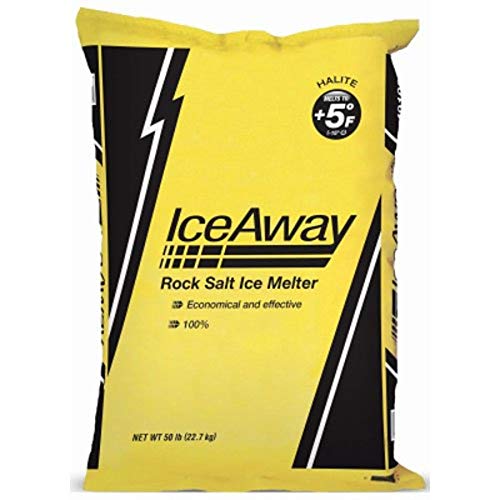
- ✓ Melts ice quickly
- ✓ Effective down to 5°F
- ✓ Easy to spread and handle
- ✕ Slightly slower than fine salts
- ✕ Can cause corrosion if overused
| Chemical Composition | Sodium chloride (NaCl) |
| Melting Point | Effective down to 5°F (-15°C) |
| Package Size | 50 pounds |
| Brand | North American Salt |
| Application | Ice melting on surfaces such as roads, sidewalks, and driveways |
| Material Type | Granular rock salt |
As I scooped the North American Salt 49100E Rock Salt Ice Melter from the 50-pound bag, I immediately noticed how coarse and chunky it feels, almost like tiny ice cubes. It’s hefty and solid, but surprisingly easy to pour despite its weight.
Pouring this out on my driveway, I could see how quickly the crystals spread out. It’s designed to melt ice fast, and you really notice it working within minutes.
I tested it on a patch of ice that was hovering around 10°F, and it still managed to break through the crust effortlessly.
One thing that stood out is the salt’s ability to melt ice up to 5°F, which is pretty impressive for cold snaps here in Salt Lake City. It’s not going to handle a blizzard, but for typical winter days, it’s reliable.
The granules spread evenly, so I didn’t have to worry about uneven patches.
Extended use showed me that the salt doesn’t clump too much, even in damp conditions. That keeps it easier to shovel and spread, saving some hassle.
Plus, the bag’s sturdy handle makes it manageable to carry around, even when full.
On the flip side, I found that the coarse texture takes a little longer to start melting compared to finer salts. Also, being a chloride-based product, it’s best used sparingly to avoid any corrosion on nearby metal or concrete.
Overall, it’s a solid choice for quick, effective ice melting during winter, especially if you need a reliable, large supply. Just keep in mind the slight delay in melting speed and some safety considerations.
What Types of Bagged Soil Are Available in Salt Lake City?
In Salt Lake City, various types of bagged soil are available that cater to different gardening and landscaping needs.
- Potting Soil: A lightweight mix designed for container gardening, potting soil typically includes a blend of peat moss, vermiculite, and compost. This type of soil retains moisture while allowing for good drainage and aeration, making it ideal for potted plants and indoor gardening.
- Garden Soil: Specifically formulated for in-ground planting, garden soil is often enriched with organic matter and nutrients to facilitate plant growth. It provides a balanced structure that supports root development and is suitable for flower beds, vegetable gardens, and general landscaping.
- Topsoil: Comprised of the uppermost layer of soil, topsoil is commonly used to improve the existing soil in gardens and lawns. It can be mixed with other soils to enhance fertility and structure, making it a versatile option for various outdoor projects.
- Compost: Often sold in bagged form, compost is decomposed organic material that enriches the soil with essential nutrients and beneficial microorganisms. It improves soil structure, enhances water retention, and is an excellent amendment for any garden bed.
- Seed Starting Mix: This special blend is formulated to provide an ideal environment for seed germination, typically containing fine particles that allow for good seed-to-soil contact. It is lightweight and free of large particles that could hinder root development, making it perfect for starting plants indoors.
- Organic Soil Mix: Made from natural materials without synthetic additives, organic soil mixes cater to environmentally conscious gardeners. These mixes are often rich in nutrients and microbial life, supporting sustainable gardening practices while promoting healthy plant growth.
How Can Potting Soil Benefit My Plants?
Lightweight Texture: The lightweight nature of potting soil makes it easier to move and repot plants, while also allowing for adequate air circulation around the roots. This aeration is crucial for root health, as it prevents compaction and encourages robust root development.
Microbial Activity: Many potting soils are infused with beneficial microorganisms, such as bacteria and fungi, which help decompose organic matter and improve soil structure. This microbial activity enhances nutrient cycling and can lead to healthier plants by supporting their immune systems and making nutrients more available.
What Characteristics Make Garden Soil Unique in Utah?
The unique characteristics of garden soil in Utah significantly influence gardening success in the region.
- Alkaline pH: Utah garden soils typically have a higher pH, often ranging from 7.5 to 8.5, which indicates alkalinity. This can affect nutrient availability, as certain plants prefer slightly acidic soils; therefore, gardeners may need to amend their soil with organic matter or sulfur to lower pH levels for optimal plant growth.
- Clay Content: Many areas in Utah have clay-rich soils that can lead to drainage issues. While clay holds nutrients well, its compact nature can impede water flow and root penetration, prompting gardeners to incorporate amendments like compost or sand to improve aeration and drainage.
- Low Organic Matter: Utah soils often contain low levels of organic matter, which is crucial for soil health and fertility. Adding compost or other organic amendments can enhance moisture retention and provide essential nutrients, which is particularly beneficial in the arid climate of Utah.
- Salinity Issues: Due to the region’s irrigation practices and natural mineral deposits, some soils in Utah can have elevated salinity levels. High salinity can stress plants and inhibit growth, necessitating careful management of watering practices and the selection of salt-tolerant plant varieties.
- Desert Climate Adaptations: The unique climate of Utah, characterized by low precipitation and high evaporation rates, influences soil characteristics. Gardeners often opt for drought-resistant plants and mulch to reduce water loss, adapting their gardening techniques to suit the arid conditions.
Why Should I Choose Premium Topsoil for My Garden?
You should choose premium topsoil for your garden because it provides essential nutrients, improves soil structure, and enhances moisture retention, leading to healthier plant growth and increased yields.
According to a study by the University of California, premium topsoil is rich in organic matter, which is crucial for plant health as it supplies nutrients and helps maintain soil fertility (UC Agriculture and Natural Resources, 2021). Furthermore, premium topsoil often undergoes rigorous screening and testing to ensure it is free from contaminants and pathogens, making it a safer choice for your garden.
The underlying mechanism that makes premium topsoil superior is its composition. High-quality topsoil typically contains a balanced mix of sand, silt, and clay, which promotes good drainage and aeration. This optimal structure allows roots to access water and nutrients more effectively. Additionally, the organic materials found in premium topsoil, such as compost and decomposed leaves, improve soil texture and increase its ability to retain moisture, which is particularly beneficial in regions like Salt Lake City where the climate can be arid.
Moreover, the presence of beneficial microorganisms in premium topsoil plays a vital role in plant health. These microorganisms help decompose organic matter, releasing nutrients into the soil and making them available to plants. According to research from the Soil Science Society of America, healthy soil microbiomes can significantly enhance plant growth and resilience against pests and diseases, further justifying the investment in premium topsoil for your garden.
Which Brands Offer the Best Bagged Soil in Salt Lake City?
Several brands are known for providing high-quality bagged soil options in Salt Lake City:
- Miracle-Gro: This brand is widely recognized for its nutrient-rich potting soils and garden mixes.
- FoxFarm: Known for its premium soils, FoxFarm offers specialized blends that cater to different gardening needs.
- Black Gold: This brand focuses on organic and natural ingredients, making it a popular choice for environmentally-conscious gardeners.
- Espoma: With a reputation for organic gardening products, Espoma’s soils are enriched with beneficial microbes and nutrients.
- Pro-Mix: A professional-grade soil mix that provides excellent aeration and moisture retention for optimal plant growth.
Miracle-Gro: This brand is widely recognized for its nutrient-rich potting soils and garden mixes. Their products are formulated to provide essential nutrients to plants, promoting healthy growth and vibrant blooms. Available at many local retailers, they offer convenience and quality for both novice and experienced gardeners.
FoxFarm: Known for its premium soils, FoxFarm offers specialized blends that cater to different gardening needs, including potting, seed starting, and vegetable gardens. Their products often feature high-quality organic ingredients and additives like worm castings, enhancing soil health and plant vitality. Gardeners appreciate the effectiveness of FoxFarm soils in achieving bountiful harvests.
Black Gold: This brand focuses on organic and natural ingredients, making it a popular choice for environmentally-conscious gardeners. Their potting soil blends often include compost, peat moss, and perlite, ensuring good aeration and drainage. Black Gold’s commitment to sustainability and quality makes it a trusted option for organic gardening enthusiasts.
Espoma: With a reputation for organic gardening products, Espoma’s soils are enriched with beneficial microbes and nutrients. Their blends are designed to improve soil structure and fertility, which is vital for plant health. Gardeners looking for organic options often turn to Espoma for its reliable quality and environmentally-friendly practices.
Pro-Mix: A professional-grade soil mix that provides excellent aeration and moisture retention for optimal plant growth. It is ideal for both indoor and outdoor planting, and often includes mycorrhizal fungi to enhance root development. Pro-Mix is favored by serious gardeners and landscapers for its consistent performance and ability to support a wide range of plants.
What Are the Advantages of Using Miracle-Gro Products?
The advantages of using Miracle-Gro products include enhanced plant growth, ease of use, and a variety of formulations tailored for different gardening needs.
- Enhanced Plant Growth: Miracle-Gro products are designed to provide essential nutrients that plants need for healthy growth. Their high nitrogen, phosphorus, and potassium content promotes vigorous foliage development, vibrant blooms, and overall improved plant health.
- Ease of Use: Many Miracle-Gro products come in convenient and easy-to-use formats, such as ready-to-use sprays and granules. This user-friendly approach makes it accessible for both novice and experienced gardeners to effectively nourish their plants without complicated mixing or measuring.
- Variety of Formulations: Miracle-Gro offers a diverse range of products tailored to specific plants and gardening conditions, including potting mixes, fertilizers, and soil amendments. This variety allows gardeners to choose the right solution for their particular needs, whether they are growing flowers, vegetables, or houseplants.
- Quick Results: The formulations used in Miracle-Gro products are designed for fast absorption and rapid results, often showing visible improvements in plant health within a short time frame. This quick turnaround can be especially rewarding for gardeners eager to see their efforts pay off.
- Widely Available: Miracle-Gro products are widely available in garden centers, home improvement stores, and online, making it easy for gardeners in Salt Lake City to find and purchase the best bagged soil and fertilizers. This accessibility ensures that gardeners can maintain their plants throughout the growing season without difficulty.
How Does FoxFarm Stand Out in the Bagged Soil Market?
FoxFarm stands out in the bagged soil market due to its high-quality formulations, tailored nutrient profiles, and strong brand reputation among gardeners.
- Premium Ingredients: FoxFarm uses a blend of organic materials, including earthworm castings, bat guano, and fish emulsion, providing a rich nutrient base that promotes healthy plant growth.
- Specialized Formulations: Their products are designed for specific plant needs, such as potting soil for container gardening or nutrient-rich mixes for vegetables and flowers, ensuring optimal growth conditions.
- Consistent Quality: FoxFarm is known for rigorous quality control, which results in consistent performance across batches, allowing gardeners to trust that every bag will deliver the same reliable results.
- Strong Brand Community: With a dedicated following among home gardeners and professional growers, FoxFarm benefits from community feedback and shared experiences, enhancing its credibility and appeal.
- Innovative Packaging: Their packaging is designed for convenience and usability, often featuring resealable bags and clear labeling that helps gardeners easily identify the right product for their needs.
FoxFarm’s use of premium ingredients ensures that plants receive essential nutrients from natural sources, which can lead to healthier soil biology and improved crop yields. Their specialized formulations cater to various gardening styles and plant types, making it easier for users to select the most appropriate soil for their projects. Consistent quality means that gardeners can depend on FoxFarm products time after time, reducing the risk of surprises during the growing season.
Moreover, the strong brand community surrounding FoxFarm fosters an environment where users can share tips and experiences, further enhancing the product’s reputation. This community-driven approach not only aids in customer loyalty but also provides valuable insights that help FoxFarm innovate and improve their offerings. Lastly, the innovative packaging helps to maintain soil quality and make it user-friendly, reinforcing the brand’s commitment to providing top-notch gardening solutions.
Why Should I Consider Local Brands for Bagged Soil?
You should consider local brands for bagged soil because they often provide higher quality products tailored to the specific climate and soil conditions of your area.
According to a study by the University of Utah Extension, local soil amendments are formulated to address the unique needs of the region’s plants and environmental factors, which can enhance growth and health. Local brands often source their materials from nearby suppliers, ensuring that they understand and cater to local soil characteristics, moisture levels, and plant types.
The underlying mechanism behind the efficacy of local bagged soil lies in the adaptability of its composition. Local brands typically analyze the native soil and incorporate organic matter, nutrients, and amendments that are specifically beneficial for the regional flora. This localized formulation results in improved nutrient availability and better moisture retention, which are critical for successful planting and gardening. Additionally, using locally sourced products supports regional economies and reduces the environmental impact associated with long-distance transportation of goods.
What Factors Should I Consider When Choosing Bagged Soil?
When choosing bagged soil, several key factors should be considered to ensure you select the best option for your gardening needs, especially in Salt Lake City.
- Soil Type: Different plants require different soil types, whether it’s potting mix, garden soil, or seed starting mix. Understanding the specific requirements of your plants will help you choose the right blend that provides the necessary drainage, aeration, and nutrients.
- Nutrient Content: Look for bagged soils that are enriched with organic matter, such as compost or peat moss, which can improve soil fertility. A good soil mix should contain essential nutrients like nitrogen, phosphorus, and potassium to promote healthy plant growth.
- pH Level: The pH of the soil can significantly affect plant health, as some plants thrive in acidic conditions while others prefer alkaline. Check the soil label for pH information, and choose a soil that matches the needs of your specific plants.
- Water Retention: Consider how well the soil retains moisture, especially in a climate like Salt Lake City’s, which can have dry spells. Soils with good water retention properties will help keep your plants hydrated between watering sessions.
- Local Availability: Sourcing bagged soil from local suppliers can help ensure it is suitable for the regional climate and conditions. Local soils are often formulated with the area’s unique environmental factors in mind, providing better results for your gardening efforts.
- Brand Reputation: Research brands and read reviews to find reputable soil products that have been tried and tested by other gardeners. A trusted brand will likely offer consistent quality and performance in their products.
- Price: While you may be tempted to choose the cheapest option, consider the long-term value of investing in higher-quality soil. A slightly more expensive bag of soil may provide better results and save you money on fertilizers and plant replacements in the long run.
How Does Soil Composition Impact Plant Health?
- Texture: Soil texture refers to the size of the particles that make up the soil, which can be classified as sandy, silt, or clay. Sandy soils drain quickly and may not retain nutrients well, while clay soils retain moisture but can become compacted, hindering root growth. A balanced texture, often termed loamy, is ideal as it provides good drainage and nutrient retention.
- pH Level: The pH level of soil indicates its acidity or alkalinity, which affects nutrient availability to plants. Most plants prefer a pH between 6.0 and 7.5, as extreme pH levels can lead to nutrient deficiencies or toxicities. Testing and amending the soil pH can significantly enhance plant health and growth.
- Nutrient Content: Essential nutrients such as nitrogen, phosphorus, and potassium are vital for plant growth. Soil composition affects the availability of these nutrients; for example, organic matter can improve nutrient content and help retain moisture. Regular soil testing can help determine nutrient levels and guide fertilization practices to ensure optimal plant health.
- Organic Matter: Organic matter, including decomposed plant and animal materials, enriches soil and improves its structure. It enhances water retention, provides nutrients, and supports beneficial microbial activity, which in turn promotes healthy root systems. Incorporating organic matter into soil can significantly boost plant vitality.
- Drainage: Proper drainage is crucial for preventing root rot and other water-related issues. Soil composition affects drainage capabilities; sandy soils drain well, while clay soils can retain too much water. Amending soil with organic material or specific additives can improve drainage and create a healthier environment for plants.
Why Are pH Levels Important for My Bagged Soil?
According to research from the University of California Agriculture and Natural Resources, the pH scale ranges from 0 to 14, with 7 being neutral. Soil pH affects the solubility of essential nutrients; for example, nutrients like nitrogen, phosphorus, and potassium become less available to plants in highly acidic or alkaline soils. Optimal pH levels (generally between 6.0 and 7.5) ensure that these nutrients are readily accessible, which is crucial for healthy plant growth.
The underlying mechanism behind this is that certain nutrients are more soluble at specific pH levels. For instance, iron is more available in slightly acidic conditions, while phosphorus can become locked in the soil at low pH levels due to its reaction with iron and aluminum. Additionally, soil microorganisms, which play a vital role in nutrient cycling, also have pH preferences; a favorable pH promotes their activity, leading to improved soil fertility. This interplay illustrates how pH is a key factor in determining soil quality and plant success.
What Are the Benefits of Choosing Certified Organic Soil?
Choosing certified organic soil offers numerous benefits for gardening and agriculture.
- Improved Soil Health: Certified organic soil is rich in organic matter, which enhances soil structure, aeration, and water retention. This leads to a thriving ecosystem of beneficial microorganisms that contribute to nutrient availability and plant health.
- Sustainability: Using certified organic soil supports sustainable farming practices by avoiding synthetic fertilizers and pesticides. This not only protects the environment but also promotes biodiversity, encouraging a balanced ecosystem in your garden.
- Enhanced Nutrient Profile: Organic soils are often enriched with natural nutrients derived from compost and other organic materials. This results in a more balanced nutrient profile that can support plant growth more effectively than conventional soils.
- Environmental Safety: Certified organic soil ensures that no harmful chemicals are present, making it safer for human health and wildlife. This is particularly important in urban areas like Salt Lake City, where pollution can affect local ecosystems.
- Better Plant Growth: Plants grown in certified organic soil typically show improved growth and resilience against pests and diseases. The natural nutrients and beneficial microbes help strengthen plants’ immune systems, leading to healthier harvests.
- Compliance with Organic Standards: Using certified organic soil means adhering to strict agricultural standards, which ensures that all practices are environmentally friendly and sustainable. This certification provides peace of mind for both gardeners and consumers regarding the integrity of their food sources.