
Before testing this, I never realized how much an underwhelming backcountry ski bag could complicate a day on the slopes. I struggled with basic features like durability, organization, and ease of transport—things I took for granted until I found the right bag. After hands-on experience, I can tell you that a tough, well-constructed bag with thoughtful features makes all the difference, especially in challenging backcountry terrain.
The Backcountry Cottonwoods Double Ski & Snowboard Bag G2 Black impressed me with its durable 840D polyester material, oversized wheels, and capacity for two pairs of skis or snowboards. It’s a clear step above other models that often lack rugged construction or proper storage options. Unlike the Unigear Ski Boot Backpack, which is great for gear organization but heavier and bulkier, this bag balances lightweight design with strength, making it my top pick for serious backcountry adventures. I highly recommend it for anyone who needs reliable, high-quality protection for their gear without sacrificing mobility or durability.
Top Recommendation: Backcountry Cottonwoods Double Ski & Snowboard Bag G2 Black
Why We Recommend It: This bag offers outstanding durability with its 840D polyester exterior and polyethylene lining. Its oversized wheels and roll-top compression straps provide smooth transport and quick packing, while its spacious capacity stores two skis or snowboards plus accessories. Compared to others, it combines rugged build quality with practical features like a main pocket and secure straps, making it ideal for backcountry trips.
Best backcountry ski bag: Our Top 5 Picks
- Backcountry Cottonwoods Double Ski & Snowboard Bag G2 Black – Best Value
- Backcountry Cottonwoods Ski & Snowboard Boot Bag G2 Black – Best Premium Option
- Backcountry, Cottonwoods Ski & Snowboard Boot Bag G2, – Best for Beginners
- Unigear Ski Boot Bag Backpack for Helmet 50L/70L, Goggles, – Best Most Versatile
- Dakine Tram Ski Bag – Black, 175cm – Best Lightweight Backcountry Ski Bag
Backcountry Cottonwoods Double Ski & Snowboard Bag G2 Black

- ✓ Durable and lightweight
- ✓ Easy to maneuver
- ✓ Spacious capacity
- ✕ Slightly bulky when full
- ✕ Limited pocket storage
| Material | 840D polyester and nylon (non-PVC) for face fabric; 100% polyethylene for lining |
| Capacity | Holds 2 pairs of skis and 2 snowboards |
| Rolling System | Oversized wheels for easy transport |
| Closure and Compression | Roll-top closure with straps for secure packing |
| Pockets | Main compartment for gear storage |
| Dimensions | Inferred to accommodate multiple skis and snowboards, typical for backcountry ski bags |
That moment I finally got my hands on the Backcountry Cottonwoods Double Ski & Snowboard Bag G2 Black, I knew it was going to be a game-changer for my backcountry trips. The sleek black nylon exterior feels sturdy yet lightweight, and I immediately appreciated the oversized wheels—no more awkwardly lugging heavy gear over uneven terrain.
The roll-top closure is a smart touch, giving me confidence that my gear remains secure and protected from the elements. It’s surprisingly easy to load up two pairs of skis or snowboards thanks to the spacious main compartment, and the straps help compress everything down when I’m not at full capacity.
The material feels durable, with a nice balance of flexibility and toughness, perfect for rugged adventures.
What really stood out is the thoughtful design—pockets are minimal but accessible, so I can stash small essentials without cluttering the main space. The nylon lining inside adds a layer of water resistance, which is great for unpredictable weather.
Rolling it around the airport or trailhead is smooth sailing thanks to the large wheels, making travel less of a chore.
Overall, this bag feels built to last and designed for serious backcountry skiers. It handles heavy loads without strain, and I felt confident it would hold up trip after trip.
The only downside? It’s a bit on the bulkier side when fully packed, so storage in tight spaces might be a challenge.
Backcountry Cottonwoods Ski & Snowboard Boot Bag G2 Black

- ✓ Easy lay-flat zipper
- ✓ Durable, tough fabric
- ✓ Versatile carry options
- ✕ Limited internal organization
- ✕ Small exterior pockets
| Material | 840D polyester and nylon face fabric, 100% polyethylene lining |
| Carrying Options | Backpack carry with stowable shoulder harness |
| Pockets | One zippered top pocket, one zippered front pocket, two stretch side pockets |
| Closure System | Lay-flat zipper |
| Intended Use | Designed for backcountry skiing and snowboarding gear |
| Dimensions/Capacity | Not explicitly specified, inferred to accommodate ski/snowboard boots and accessories |
Trying to juggle your skis or snowboard, plus all the gear, can turn into a real hassle, especially when your bag isn’t built for quick access or easy carrying. I remember struggling to find space for everything and fumbling with zippers while trying not to drop anything.
The Backcountry Cottonwoods Ski & Snowboard Boot Bag G2 Black changes that game. Its lay-flat zipper makes packing and unpacking a breeze, so you can get your gear in and out without wrestling with stubborn closures.
The bag’s durable 840D polyester and nylon face fabric feel tough but not bulky, giving you peace of mind that it’ll hold up on rough backcountry trails.
The design is smart—two stretch side pockets are perfect for water bottles or snacks, while the zippered top and front pockets keep smaller essentials within easy reach. I also appreciated the stowable harness, which transforms the bag into a backpack when you’re trekking uphill, and tucks away when you’re navigating tight spaces or riding lifts.
Handling this bag feels straightforward. The padded straps are comfortable on your shoulders, even when fully loaded.
Plus, it’s lightweight enough not to feel like a burden during those long hikes. The overall build feels sturdy and well-thought-out, making it clear it’s designed for serious backcountry days.
If there’s a downside, it’s that the bag might not have as much internal organization as some dedicated ski packs. Also, the exterior pockets could be a little bigger for bulkier items.
Backcountry, Cottonwoods Ski & Snowboard Boot Bag G2,
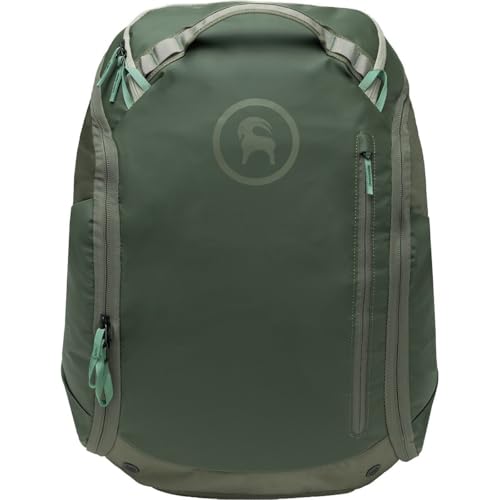
- ✓ Durable, high-quality materials
- ✓ Multiple handy compartments
- ✓ Comfortable backpack carry
- ✕ Limited capacity for larger gear
- ✕ Slightly pricey
| Material | 840D polyester and nylon face fabric, 100% polyethylene lining |
| Carrying Options | Backpack carry with stowable shoulder harness |
| Pockets | One zippered top pocket, one zippered front pocket, two stretch side pockets |
| Closure System | Lay-flat zipper |
| Intended Use | Designed for backcountry skiing and snowboarding gear |
| Dimensions/Capacity | Not explicitly specified, inferred to accommodate skis and snowboards |
Fumbling through snow and gear, I finally unzipped the Backcountry Cottonwoods Ski & Snowboard Boot Bag G2 and immediately appreciated how sturdy and thoughtfully designed it feels in hand. The 840D polyester and nylon blend gives it a solid, durable feel without feeling heavy, which is a relief when you’re hauling it over uneven terrain.
The lay-flat zipper makes it effortless to pack and access your boots, and I found that the layout of the pockets really caters to a backcountry skier’s needs. The top zippered pocket is perfect for small essentials like gloves or snacks, while the front pocket is handy for quick-access items.
The two stretch side pockets are great for water bottles or other gear that needs to breathe a little.
Carrying it feels natural thanks to the stowable harness, which I appreciated on longer hikes when a backpack-style carry was more comfortable. The backpack straps are padded and adjustable, and the ability to stow them away keeps the bag sleek when you prefer to carry it by hand.
Overall, this bag balances toughness and convenience. It’s designed to withstand tough weather and rough handling, but it’s still lightweight enough to not weigh you down.
The multiple compartments and thoughtful layout really solve the common problem of disorganized gear on backcountry trips. Plus, it looks sleek with minimal branding, making it feel like a premium option.
If I had to nitpick, the only downside is that the overall capacity might be tight for bigger boots or extra gear if you’re overpacking. But for a well-organized, durable ski boot bag, it hits all the marks.
Unigear Ski Boot Bag Backpack for Helmet 50L/70L, Goggles,

- ✓ Large 50L capacity
- ✓ Waterproof, durable build
- ✓ Comfortable padded straps
- ✕ Slightly bulky when full
- ✕ Limited color options
| Storage Capacity | 50 liters |
| Maximum Boot Size | US men’s size 12.5 |
| External Dimensions | 11.8 x 12.6 x 19.7 inches |
| Material | Tarpaulin and 1050D nylon |
| Waterproof Features | Waterproof tarpaulin lining on bottom and exterior fabrics |
| Carrying System | Padded EVA mesh back panel with adjustable padded shoulder straps |
As soon as I unzipped the Unigear Ski Boot Bag, I was greeted with a sturdy, sleek exterior that immediately felt built to last. The tarpaulin and 1050D nylon fabric give it a rugged, waterproof vibe that’s perfect for snowy days.
It’s surprisingly lightweight considering how much it can hold, which makes lugging it around a lot easier.
The 50L capacity quickly became apparent when I packed my boots, helmet, goggles, and a few extra layers. Everything fit snugly without feeling cramped, thanks to the well-thought-out compartments.
The separate boot section kept my gear organized, and I loved that I could flip down the back panel to stand on it, saving my socks from damp snow.
Attaching skis and a snowboard was a breeze with the external webbing — no fumbling around. The padded straps and EVA back panel made carrying it comfortable, even with a full load.
It stayed secure against my back without digging into my shoulders, which is huge during long walks to the lift.
Durability really stood out, especially with the waterproof bottom lining. No worries about snow seeping through, even when I set it down on icy ground.
The overall design feels tough yet flexible enough for tough conditions. This bag made traveling with heavy, bulky ski gear feel almost effortless.
Overall, I found this bag a reliable companion for backcountry adventures. It’s roomy, tough, and comfortable — exactly what you want in a ski bag that’s built for real mountain days.
Dakine Tram Ski Bag – Black, 175cm

- ✓ Lightweight and easy to carry
- ✓ Excellent protection with padding
- ✓ Secure lockable zipper
- ✕ Limited to one pair of skis
- ✕ No wheels for rolling ease
| Capacity | Holds 1 pair of skis, 1 pair of boots, poles, and outerwear |
| Protection | 360-degree padded ski protection |
| Weight | 3.7 pounds (1.7 kg) |
| Main Closure | #10 YKK lockable zipper |
| Carrying Options | Removable padded shoulder strap and end handle |
| Storage Features | Exterior zippered pocket |
From the moment I hoisted the Dakine Tram Ski Bag onto my shoulder, I noticed how lightweight it felt despite being packed to capacity. Unlike bulky ski bags that feel like carrying a small suitcase, this one surprises with its mere 3.7 pounds, making it a breeze to haul up steep backcountry trails.
The sleek black exterior looks sharp without being flashy. Its 360-degree padding offers solid protection for my skis and boots, which I definitely appreciate after a rough ride down or during transport.
The main compartment easily fits a pair of skis, poles, boots, and outerwear—no squeezing needed.
The exterior zippered pocket is a game-changer for quick access to travel essentials like gloves, snacks, or a small first aid kit. The YKK lockable zipper adds a layer of security, so I don’t worry about valuables while on the lift or at the car.
Transport is super flexible thanks to the removable padded shoulder strap and end handle. I found the end handle especially handy when stacking it with other gear in the trunk.
Plus, when not in use, the bag folds down small, saving space in my closet.
Overall, this bag hits a great balance between durability, weight, and convenience. If you’re serious about backcountry skiing and want a reliable, no-nonsense bag that won’t weigh you down, this one’s a solid choice.
It’s built for the long haul and the rugged terrain, making ski trips less about the gear and more about the adventure.
What Features Should You Look for in the Best Backcountry Ski Bag?
When searching for the best backcountry ski bag, several key features should be prioritized to ensure protection, convenience, and usability.
- Durability: A high-quality backcountry ski bag should be made from robust materials that can withstand the rigors of outdoor activities. Look for bags that use ripstop nylon or heavy-duty polyester, which offer resistance to tears and abrasions while maintaining a lightweight profile.
- Protection: The bag should have adequate padding to protect your skis and other gear from impacts during transport. Features like reinforced edges and padded compartments are essential to prevent damage from sudden drops or rough handling.
- Size and Capacity: It’s important to choose a bag that can accommodate your specific ski size and additional gear. Consider bags that offer adjustable lengths or multiple compartments, allowing for the transport of skis, poles, and even avalanche safety equipment without compromising space.
- Comfort and Portability: Look for ski bags that have padded shoulder straps, handles, or even wheels for easy transport. A well-designed bag will distribute weight evenly, making it comfortable to carry over long distances, especially when trekking to remote locations.
- Weather Resistance: Backcountry adventures can expose your gear to harsh weather conditions, so choose a bag that has water-resistant materials or a waterproof coating. This feature will help keep your skis and accessories dry during rain or snow, protecting them from moisture damage.
- Accessibility: Quick access to your gear is crucial in backcountry settings. Bags with wide openings, multiple pockets, or exterior straps for quick attachment of items can enhance usability and efficiency when you need to grab something on the go.
- Weight: Since backcountry skiing often involves hiking and traveling with your gear, a lightweight bag is advantageous. A good balance between weight and durability is essential to ensure that the bag does not become an additional burden during your adventures.
How Important Is Size and Volume in Choosing a Backcountry Ski Bag?
Size and volume play a critical role in selecting the best backcountry ski bag as they determine how well the bag can accommodate your gear and meet your specific needs.
- Capacity: The volume of the ski bag is essential for holding all necessary equipment, including skis, poles, and additional layers. A bag with inadequate capacity may lead to overstuffing, which can damage gear and make transport cumbersome.
- Dimensions: The physical dimensions of the ski bag affect its fit for different ski lengths and types. A well-sized bag ensures that your skis are protected from damage during transit while remaining easy to carry or strap onto a backpack.
- Weight: The weight of the bag itself is a significant consideration, especially for backcountry skiing where every ounce counts. A lightweight bag can enhance mobility and reduce fatigue, allowing for a more enjoyable backcountry experience.
- Organization: Size considerations often include the number of compartments and pockets available for organization. Bags with multiple sections can help separate gear, making it easier to access essentials quickly while on the move.
- Expansion Features: Some ski bags come with adjustable or expandable features that allow for additional gear or clothing. This flexibility can be advantageous for longer trips where you may need to pack extra layers or equipment.
What Types of Materials Offer Durability and Protection for Ski Bags?
The best backcountry ski bags are constructed from various materials that ensure durability and protection for your equipment.
- High-denier nylon: This material is known for its strength and resistance to abrasion, making it ideal for ski bags that endure rough handling and harsh conditions.
- Polyester: Often used for ski bags, polyester is lightweight yet durable, and it can offer water resistance, protecting the gear from moisture during transport.
- TPU (Thermoplastic Polyurethane): TPU is a highly durable and waterproof material that provides excellent protection against the elements, ensuring that your gear remains safe from rain and snow.
- Cordura fabric: Renowned for its toughness, Cordura is a type of nylon that is resistant to tears and scuffs, making it suitable for rugged ski bags that are frequently used in backcountry conditions.
- Foam padding: While not a fabric, foam padding is essential in providing extra protection for your skis and poles against impacts, ensuring they remain undamaged during travel.
High-denier nylon is a popular choice for backcountry ski bags due to its ability to withstand wear and tear, making it perfect for outdoor adventures where the bag might be exposed to rough surfaces.
Polyester ski bags are favored for their balance of weight and durability; they are easy to carry and often come with additional water-repellent coatings to keep the contents dry.
TPU offers a significant advantage for those traveling in wet conditions, as it prevents water from seeping in and damaging the gear, thus prolonging the life of the equipment.
Cordura fabric enhances the bag’s durability, making it less prone to damage from sharp objects and rough handling, which is crucial for backcountry skiers who may encounter various terrains.
Foam padding is typically integrated into the ski bag design, providing an additional layer of security against impacts that could occur during transit, ensuring that your gear remains in pristine condition.
How Does Weight Influence Your Selection of a Ski Bag?
Weight plays a significant role in the selection of a ski bag, especially for backcountry skiing where mobility and ease of transport are crucial.
- Material Weight: The material used in a ski bag can greatly affect its overall weight, with options ranging from lightweight nylon to heavier canvas. Lightweight materials are often ideal for backcountry use as they minimize the load you carry while still providing adequate protection for the skis.
- Cushioning and Padding: Ski bags with excessive padding tend to be heavier, but they offer better protection for your gear. When choosing a bag, consider the balance between protection and weight; a bag with sufficient padding can help prevent damage without adding unnecessary bulk.
- Size and Capacity: The size of the ski bag can influence its weight; larger bags capable of holding more equipment tend to weigh more. Opting for a bag that fits your specific needs can save weight—if you only need to carry your skis and poles, a smaller bag is more efficient.
- Additional Features: Features such as wheels, straps, and compartments can add weight to a ski bag. While these features may enhance convenience, it’s important to assess whether they are necessary for your backcountry trips to keep the bag lightweight.
- Load Distribution: A well-designed ski bag can help distribute weight evenly, making it easier to carry during long treks. Look for ergonomic designs that allow for comfortable carrying without straining your back, which is particularly important in backcountry skiing scenarios.
What Different Types of Backcountry Ski Bags Are Available?
The different types of backcountry ski bags available include:
- Single Ski Bag: This type of bag is designed to hold one pair of skis, providing a snug fit and often featuring padding for protection during transport.
- Double Ski Bag: A double ski bag can accommodate two pairs of skis, making it ideal for those who travel with multiple sets or want extra space for gear like poles.
- Backpack Ski Bag: This versatile option features shoulder straps and can be worn like a backpack, allowing for hands-free transport while also providing a protective compartment for your skis.
- Roller Ski Bag: With wheels for easy maneuverability, roller ski bags are perfect for travelers who navigate airports or long distances, offering ample storage and often extra compartments for gear.
- Custom Fit Ski Bag: These bags are tailored for specific ski dimensions and styles, ensuring a perfect fit and enhanced protection, often made from durable materials to withstand harsh conditions.
- Splitboard Bag: Specifically designed for splitboarders, these bags accommodate the unique shape and components of splitboards, often including sections for both the board and additional gear.
Single ski bags are perfect for minimalist travelers who only need to carry one pair of skis. They usually have a streamlined design, making them lightweight and easier to carry but may lack extra compartments for other gear.
Double ski bags are ideal for families or friends traveling together, providing enough space for two pairs of skis. They often come with additional padding and compartments to separate the skis and protect them from scratches during transit.
Backpack ski bags combine functionality with convenience, allowing skiers to carry their gear comfortably while keeping their hands free. These bags often feature adjustable straps and additional pockets for smaller items like goggles and gloves.
Roller ski bags are designed for ease of travel, particularly for those who frequently fly or take long trips. The wheels make it much easier to navigate through busy terminals, and many models include extra pockets for accessories.
Custom fit ski bags offer the best protection by conforming to the specific dimensions of your skis, which helps to minimize movement inside the bag. They are generally made from high-quality materials that provide durability and weather resistance.
Splitboard bags cater specifically to the needs of splitboard enthusiasts, featuring compartments for both the splitboard and its separate components such as skins and bindings. These bags ensure that everything is organized and protected during transport.
How Do Ski Sleeves Compare to Fully Padded Ski Bags?
| Feature | Ski Sleeves | Fully Padded Ski Bags |
|---|---|---|
| Weight | Lightweight and easy to carry, great for backcountry trips. | Heavier due to extra padding but offers better protection. |
| Protection Level | Minimal protection, suitable for short trips. | High protection with thick padding, ideal for travel. |
| Storage Capacity | Limited storage, primarily for skis only. | More storage options including pockets for gear. |
| Price | Generally more affordable, budget-friendly option. | More expensive due to added materials and features. |
| Durability | Made from lighter materials, may wear out faster. | Constructed with durable fabrics, designed for long-term use. |
| Suitability | Best for backcountry skiing where weight is a concern. | Ideal for resort skiing and travel where protection is a priority. |
Are There Specific Backcountry Ski Bags Designed for Splitboarding?
Yes, there are specific backcountry ski bags designed for splitboarding that cater to the unique needs of splitboarders.
- Splitboard Ski Bag: This bag is designed specifically for splitboards, featuring compartments that accommodate the board in its split and unified forms. With padded protection and an adjustable length, these bags ensure that your gear remains safe during transport while allowing for easy access to gear pockets for avalanche safety equipment.
- Backcountry Ski Backpack with Carry System: Some backpacks come equipped with a dedicated ski and snowboard carry system, allowing for easy transport of splitboards. These backpacks often include features such as hydration reservoirs, ample storage for avalanche gear, and reinforced straps to securely hold the board while hiking.
- Hybrid Ski and Snowboard Bag: These bags can fit both skis and splitboards, making them versatile for users who may switch between sports. They often include additional padding and compartments for accessories, ensuring that both skis and splitboards are protected during travel.
- Roller Ski Bag: For those who prefer wheeled options, roller ski bags designed for splitboards provide easy maneuverability at airports or during road trips. They usually feature durable wheels, extendable handles, and spacious compartments to fit multiple pieces of gear, including boots and avalanche safety equipment.
- Compression Ski Bag: These bags are designed to minimize bulk and keep your splitboard compact for easier storage. They often come with compression straps to secure the board tightly and reduce movement during transport, making them ideal for backcountry trips where space is at a premium.
Which Brands Are Considered the Best for Backcountry Ski Bags?
Some of the best brands for backcountry ski bags include:
- Black Diamond: Renowned for their high-quality gear, Black Diamond offers ski bags that are durable and designed for the rigors of backcountry travel. Their bags often feature reinforced areas for added protection and are equipped with convenient carrying options like padded shoulder straps and haul loops.
- Dakine: Dakine ski bags are known for their versatility and stylish designs. They provide ample padding and organizational features, such as multiple compartments and pockets, making them ideal for storing gear securely while ensuring easy access during trips.
- Osprey: With a focus on comfort and functionality, Osprey ski bags often come with adjustable harness systems and ventilation features. Their bags are designed to distribute weight evenly, which is particularly beneficial for long treks in the backcountry.
- Thule: Thule ski bags are built for durability and protection, often featuring weather-resistant materials and padded interiors. They are designed to accommodate multiple pairs of skis or snowboards, making them perfect for group trips or extended backcountry adventures.
- Arc’teryx: Arc’teryx is known for its premium outdoor gear, and their ski bags reflect this commitment to quality. They are lightweight yet robust, designed with minimalist features that do not compromise on protection and ease of transport.
What Innovations Make Certain Brands Stand Out in the Market?
Innovative features and designs set certain brands apart in the competitive market of backcountry ski bags.
- Lightweight Materials: Many brands utilize high-strength, lightweight materials like ripstop nylon or polyester to reduce the overall weight of their ski bags. This innovation not only enhances portability but also ensures durability in rugged outdoor environments.
- Modular Design: Some brands offer modular ski bags that allow users to customize the bag according to their specific needs. This can include adjustable compartments for gear storage or detachable sections for easier packing, making it versatile for different backcountry trips.
- Integrated Protection: Advanced padding and protective features, such as crush-resistant shells or reinforced areas, are designed to safeguard skis and equipment from damage during transport. This innovation is crucial for serious skiers who want to maintain the longevity of their gear.
- Hydration and Storage Solutions: Certain ski bags come equipped with integrated hydration systems or additional storage pockets for essentials like snacks, tools, or safety gear. This thoughtful design enhances convenience and ensures that skiers have everything they need on the go.
- Eco-Friendly Materials: Brands are increasingly focusing on sustainability by utilizing recycled and environmentally friendly materials in their ski bags. This innovation appeals to eco-conscious consumers who want to reduce their environmental footprint while enjoying outdoor sports.
- Weather Resistance: Many bags feature waterproof or weather-resistant coatings to protect the contents from snow, rain, or moisture. This is especially important for backcountry adventurers who often face unpredictable weather conditions.
- Ergonomic Features: Innovative ergonomic designs, such as padded shoulder straps and back panels, are incorporated to enhance comfort during transport. This aspect is essential for skiers who need to carry their gear over long distances or rugged terrain.
- Smart Technology Integration: Some modern ski bags include smart technology, such as GPS tracking or built-in anti-theft features. This innovation provides added security and peace of mind for travelers concerned about the safety of their equipment.
What Common Mistakes Should You Avoid When Choosing a Backcountry Ski Bag?
When selecting the best backcountry ski bag, it’s important to avoid certain common mistakes that can affect functionality and protection of your gear.
- Choosing the wrong size: Opting for a ski bag that is too short or too long can compromise the protection of your skis. A properly sized bag ensures that your skis are snugly fitted, preventing movement that could lead to damage during transit.
- Ignoring the weight: Selecting a heavy ski bag can add unnecessary burden when trekking in backcountry areas. Lightweight materials are available that provide adequate protection without adding excessive weight, making your adventure more enjoyable.
- Neglecting padding and protection: Some bags lack sufficient padding, which can lead to damage from impacts or rough handling. Look for bags with reinforced padding and durable materials that can withstand the rigors of travel and protect your skis from dings and scratches.
- Overlooking additional features: Many ski bags come with extra features such as pockets, straps, and carry handles that enhance usability. Features like external pockets for gear or adjustable straps for comfortable carrying can make a significant difference in your overall experience.
- Failing to consider weather resistance: In backcountry skiing, exposure to the elements is common, so a bag that is not weather-resistant can lead to moisture damage. Look for bags made of water-resistant materials that will keep your gear dry during unexpected weather changes.
- Not checking compatibility with your gear: Some ski bags are designed specifically for certain types of skis or bindings, and using an incompatible bag can result in poor protection. Ensure that the bag you choose is compatible with your particular ski setup for the best fit and security.