
Holding the ROARING FIRE 30L Tactical Assault Backpack Molle Rucksack in your hands, you notice the rugged, water-resistant 900D Oxford fabric and the smooth, sturdy zippers. It feels built for endurance—perfect for a get-home scenario where reliability counts. After testing its breathability and ease of access, I can say this pack is designed to handle tough conditions without sacrificing comfort.
It’s versatile enough to serve as an EDC, travel, or emergency bag. The MOLLE webbing on the front and sides lets you customize with additional pouches or gear, making it adaptable for any situation. Its compact 30L capacity strikes a balance between portability and enough room to pack essentials, and the padded shoulder straps add comfort during long carries. After comparing all options, this backpack’s combination of durability, customization, and thoughtful design offers real value—making it the top choice for your get-home kit.
Top Recommendation: ROARING FIRE 30L Tactical Assault Backpack Molle Rucksack
Why We Recommend It: This backpack’s durable 900D water-resistant material and MOLLE system give it an edge over simpler designs. Its ergonomic, padded straps and contoured fit ensure comfort during long hauls. Unlike bulkier options, it’s small enough to carry easily but offers enough space for essential supplies. Its versatility and rugged build make it ideal for the unpredictable nature of a get-home bag.
Best backpack for get home bag: Our Top 2 Picks
- Emergency Survival Kit with First Aid, EDC Bugout Bag – Best Value
- ROARING FIRE 30L Tactical Assault Backpack Molle Rucksack – Best for Outdoor Adventure
Emergency Survival Kit with First Aid, EDC Bugout Bag

- ✓ Rugged military-grade build
- ✓ Extensive first aid supplies
- ✓ Easy gear access with Molle
- ✕ Bulky for daily use
- ✕ Better suited for outdoor scenarios
| Bag Material | Military-grade 1000D polyester |
| Size | Designed as a portable bug-out bag, typically around 40-50 liters capacity |
| Molle System | Molle attachment points with detachable back panel for modular gear access |
| First Aid Kit Content | 130+ safety-approved first aid pieces |
| Included Survival Tools | Shovel, fire starter, rain poncho, flashlight, and additional emergency gear |
| Intended Use | Prepared for outdoor survival, disaster preparedness, and emergency situations |
Ever been caught in a sudden downpour while out hiking and realized your rain poncho was buried at the bottom of your bag? I had that exact moment with this survival kit, and honestly, it was a game-changer.
The durable Molle pouch made grabbing the rain poncho and flashlight quick and easy, even in the chaos.
This bug-out bag feels like it’s built for real emergencies. The military-grade 1000D polyester gives it a sturdy feel—nothing flimsy here.
Inside, the 130+ piece first aid kit and survival tools like the fire starter and shovel are thoughtfully organized, so you’re not digging around when seconds count.
What stood out most is the versatility. Whether you’re camping, stuck in traffic, or facing a natural disaster, this kit has your back.
The Molle system lets you attach it to your vehicle headrest or belt, making access seamless. It’s like carrying a tiny, well-equipped emergency room and toolkit all in one.
Of course, it’s not perfect. The bag is a bit bulky for everyday carry, so it’s best kept in your car or at home.
Also, some of the tools are more suited for outdoor use than urban scenarios. Still, if preparedness is your goal, this kit covers almost every angle.
Overall, I feel confident having this on hand. It’s comprehensive, tough, and ready for anything—exactly what you need in a get-home bag or emergency survival kit.
ROARING FIRE 30L Tactical Assault Backpack Molle Rucksack
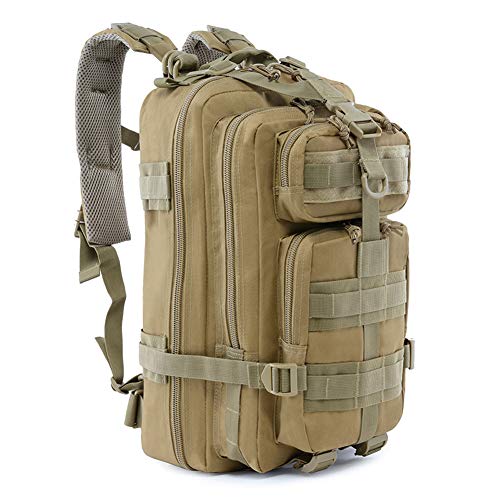
- ✓ Durable water-resistant fabric
- ✓ Comfortable breathable straps
- ✓ Customizable MOLLE system
- ✕ Slightly bulky when fully packed
- ✕ Zippers could be smoother
| Capacity | 30 liters |
| Dimensions | 17″ x 8.7″ x 8″ (43cm x 22cm x 21cm) when fully opened |
| Material | 900D Oxford waterproof fabric |
| Strap System | Contoured shoulder straps with quick release sternum and removable waist straps |
| MOLLE Compatibility | MOLLE webbing system on front and sides for accessory attachments |
| Additional Features | Ventilated mesh padded back and shoulder straps for breathability |
Ever tried stuffing a bulky, poorly organized bag only to find your essentials buried and inaccessible? That chaos ends the moment you open the ROARING FIRE 30L Tactical Assault Backpack.
Its well-thought-out design, with multiple compartments and MOLLE webbing, makes quick access and customization effortless.
The bag’s dimensions—17 inches tall and just over 8 inches wide—feel compact yet surprisingly spacious. The 30L capacity is perfect for get-home scenarios, camping, or daily carry.
The water-resistant 900D Oxford fabric gives you peace of mind, especially during sudden rainstorms, without adding extra weight.
What really impressed me is the padded, ventilated mesh back and shoulder straps. After hours of hiking, I appreciated how breathable and comfortable they felt, even with a full load.
The quick-release sternum and removable waist straps add to the customized fit, making it feel secure without choking your mobility.
The main compartment zips around smoothly, revealing a well-organized interior with a zip pocket and mesh pouch—ideal for small tools or snacks. The MOLLE webbing on the front and sides is a game-changer, allowing you to attach additional pouches or gear, perfect for tailoring the pack to your specific needs.
Overall, this backpack balances durability, comfort, and versatility. Whether you need it for emergency preparedness, outdoor adventures, or daily use, it’s a reliable companion that’s ready for anything.
What is a Get Home Bag and Why Do You Need One?
To create an effective Get Home Bag, best practices include regularly reviewing and updating the contents to ensure they remain relevant and functional, tailoring the bag’s contents to suit personal circumstances and local threats, and practicing routes home to familiarize oneself with potential challenges. Selecting the best backpack for a Get Home Bag involves considering factors such as comfort, storage capacity, weather resistance, and ease of access, which are crucial for effective and efficient emergency response.
What Are the Key Features to Look for in a Get Home Bag Backpack?
The key features to look for in the best backpack for a get home bag include durability, capacity, comfort, organization, and accessibility.
- Durability: A good get home bag backpack should be made from high-quality, weather-resistant materials to withstand various environmental conditions. Look for reinforced seams and heavy-duty zippers that ensure longevity and reliability in critical situations.
- Capacity: The backpack should have enough space to carry essential items without being overly bulky. A capacity of around 20-30 liters is often ideal, allowing you to pack survival gear, food, water, and personal items while remaining manageable during travel.
- Comfort: Comfort is crucial, especially if you need to walk long distances. Look for padded shoulder straps, a padded back panel, and a hip belt to distribute weight evenly and reduce strain on your body.
- Organization: A well-organized backpack will help you easily access your gear. Multiple compartments and pockets allow for systematic packing, enabling quick retrieval of items like first aid kits, tools, and navigation aids when needed.
- Accessibility: The design of the backpack should allow for quick access to essential gear without having to dig through all your items. Features like side pockets, front-loading compartments, or MOLLE webbing can enhance accessibility and ensure you can reach critical supplies swiftly.
How Does Weight Distribution Affect Your Comfort and Mobility?
Weight distribution is crucial for comfort and mobility, especially when selecting the best backpack for a get home bag.
- Load Balance: Proper weight distribution ensures that the load is evenly spread across your back and shoulders, reducing strain and discomfort.
- Center of Gravity: A well-distributed load helps maintain your center of gravity, which is essential for stability and maneuverability during movement.
- Adjustable Straps: Straps that can be adjusted allow you to customize the fit of the backpack, ensuring that the weight sits correctly on your body for maximum comfort.
- Padded Back and Straps: Padding in the back panel and shoulder straps enhances comfort by cushioning pressure points and preventing chafing during prolonged use.
- Weight Capacity: Understanding the weight capacity of a backpack helps in determining how much gear you can carry without compromising on comfort and mobility.
Load balance is essential because it ensures that the weight is evenly spread across your body, which alleviates pressure on specific points like your shoulders and lower back. This balance can prevent fatigue and allow for longer periods of wear without discomfort.
The center of gravity plays a significant role in how you move with the backpack. A lower center of gravity, achieved through proper load distribution, enhances stability and helps you maintain your balance while walking or running, especially on uneven terrain.
Adjustable straps are vital for personalizing the fit of your backpack; they allow users to modify how the pack sits on their body. This adjustability can significantly improve comfort levels, as a well-fitted backpack will not shift around, reducing the risk of injury or strain.
Padded elements in a backpack, such as the back panel and shoulder straps, are crucial for providing comfort during extended use. The padding helps to distribute weight evenly and prevents the straps from digging into your skin, which is especially important if you’re carrying a heavy load.
Knowing the weight capacity of a backpack ensures that you do not exceed what it can handle, which is essential for maintaining comfort and mobility. Overloading a backpack can lead to poor weight distribution, causing discomfort and making it difficult to maneuver effectively.
Which Materials Offer the Best Durability and Weather Resistance?
The best materials for durability and weather resistance in backpacks include:
- Nylon: Known for its strength and lightweight properties, nylon is a popular choice for rugged backpacks. It is resistant to abrasions and tears, making it ideal for outdoor use, while also being water-resistant when treated with a durable water repellent (DWR) finish.
- Polyester: This material offers excellent UV resistance and is less prone to fading compared to nylon. While generally heavier, it provides good durability and water resistance, making it suitable for backpacks that will face varied weather conditions.
- Cordura: A brand of nylon fabric, Cordura is recognized for its superior durability and resistance to scuffs and abrasions. Often used in military and outdoor gear, it provides excellent weather resistance and longevity, making it a reliable option for get home bags.
- Canvas: While heavier than synthetic materials, canvas offers a classic aesthetic and remarkable durability. Treated canvas is water-resistant and can withstand rough handling, making it a solid choice for urban and rural environments alike.
- Ripstop Fabric: This fabric is woven with a reinforcing technique that makes it resistant to tearing and ripping. Often made from nylon or polyester, ripstop is lightweight and ideal for backpacks intended for harsh conditions, providing both strength and weather resistance.
- GORE-TEX: A waterproof and breathable fabric, GORE-TEX is often used in high-end outdoor gear. It offers excellent weather resistance while allowing moisture to escape, ensuring that the contents of your backpack remain dry during inclement weather.
What Size Backpack is Optimal for a Get Home Bag?
The optimal size of a backpack for a get home bag typically ranges between 20 to 40 liters, depending on individual needs and what items will be stored. Here are some considerations for selecting the best backpack for a get home bag:
- 20-30 Liters: This size is ideal for minimalist packing and is sufficient for essential items such as water, food, first aid kits, and basic tools.
- 30-40 Liters: A backpack in this size range allows for additional gear, such as clothing layers, personal safety items, and more extensive survival supplies.
- Hydration Compatibility: Consider a backpack that accommodates a hydration reservoir or has external pockets for water bottles, ensuring easy access to hydration during emergencies.
- Weight Distribution: A backpack with a good frame and padded straps helps distribute weight evenly, making it easier to carry longer distances without fatigue.
- Durability and Weather Resistance: Choose a backpack made from high-quality, weather-resistant materials to ensure it withstands various environmental conditions.
- Modular Features: Look for backpacks with attachment points, such as MOLLE webbing, which allows for customization and additional gear attachments as needed.
Backpacks in the 20-30 liter range are great for those who prefer a lightweight, streamlined approach, focusing on carrying only the most critical survival items. This size typically allows for easy mobility and less bulk, which can be essential in an emergency situation.
On the other hand, a 30-40 liter backpack provides more space for additional equipment, making it suitable for individuals who may require extra supplies based on their specific circumstances or time away from home. This size can accommodate extra clothing, tools, and other necessities without being overly cumbersome.
Hydration compatibility is vital, as staying hydrated is crucial during emergencies. A backpack that includes a hydration system or has ample space for water bottles ensures that you can maintain your hydration levels while on the move.
Weight distribution is another critical factor; a well-designed backpack can alleviate stress on your back and shoulders, making it more comfortable to carry for extended periods. Look for padded straps and an adjustable harness to fit your body properly.
Durability and weather resistance are essential features for any get home bag backpack, as it may be subjected to various elements. High-quality materials that are waterproof or water-resistant will protect your gear from rain or wet conditions.
Finally, modular features like MOLLE webbing allow you to attach additional pouches or gear, providing versatility based on your situation. This customization can be particularly beneficial for adapting your backpack to suit different environments or needs over time.
What Are the Top Brands and Models of Backpacks for a Get Home Bag?
The best backpacks for a get home bag offer durability, comfort, and ample storage for essential supplies in emergencies.
- 5.11 Tactical Rush 72: This backpack is known for its rugged design and spacious interior, making it ideal for survival situations.
- Osprey Atmos AG: Featuring an advanced suspension system, this backpack provides exceptional comfort and support for long-distance carrying.
- Maxpedition Kodiak Gearslinger: Compact yet highly functional, this backpack is designed for efficiency, with multiple compartments and MOLLE webbing for customization.
- North Face Recon: A versatile option that combines style with practicality, it offers a large main compartment and organizational pockets for easy access to gear.
- Patagonia Black Hole Pack: Known for its weather-resistant materials, this backpack is perfect for unpredictable conditions while still providing a spacious area for storage.
The 5.11 Tactical Rush 72 is built for heavy-duty use with multiple compartments and the ability to carry a wide range of gear, making it a favorite among preppers and outdoor enthusiasts. Its durability and organization options allow users to pack essential items efficiently, ensuring they’re ready for any situation.
The Osprey Atmos AG stands out with its Anti-Gravity suspension system, which distributes weight evenly across the back, reducing fatigue during long hikes. This feature, along with adjustable straps and a ventilated back panel, makes it suitable for carrying a get home bag comfortably over long distances.
The Maxpedition Kodiak Gearslinger is designed for those who prefer a smaller, more tactical pack. Its unique single-shoulder strap allows for quick access to gear, and the MOLLE webbing enhances versatility by allowing users to attach additional pouches or gear as needed.
The North Face Recon combines functionality with everyday use, offering a stylish design that doesn’t compromise on storage capacity. Its padded laptop sleeve and various organizational pockets make it a great choice for urban environments, while still being tough enough for rugged adventures.
The Patagonia Black Hole Pack is constructed from durable, weather-resistant materials that protect contents from rain and snow. Its large main compartment makes it easy to pack and access supplies quickly, which is crucial in emergency situations where time is of the essence.
How Should You Pack Your Get Home Bag Effectively?
When packing your get home bag effectively, it’s essential to choose the right backpack and include critical survival items.
- Durable Backpack: The best backpack for a get home bag should be made from high-quality, weather-resistant materials to withstand various elements.
- Water Supply: Include a portable water filter or purification tablets to ensure access to clean drinking water during your journey home.
- First Aid Kit: A well-stocked first aid kit is crucial for addressing any injuries or health issues that may arise while traveling.
- Multi-tool: A versatile multi-tool can serve multiple purposes, from opening cans to making repairs, making it an invaluable item in any get home bag.
- Emergency Food Supplies: Non-perishable food items, such as energy bars or dehydrated meals, provide essential calories and nutrition when you need them most.
- Fire Starting Kit: A reliable fire starting kit, including waterproof matches or a lighter, is vital for warmth, cooking, and signaling for help.
- Navigation Tools: A map and compass, along with a GPS device, can help you navigate your way home efficiently, especially if technology fails.
- Warm Clothing: Packing an extra layer of clothing, such as a thermal shirt or warm socks, can help maintain body heat in cold conditions.
- Light Source: A flashlight or headlamp with extra batteries is essential for visibility during nighttime travel or in low-light situations.
- Emergency Blanket: A compact emergency blanket can provide warmth and protection from the elements, making it a crucial item in your pack.
What Essentials Should Be Included in Your Get Home Bag?
When preparing a Get Home Bag, it’s important to include essential items that ensure your safety and ability to navigate home. The following items are crucial:
- Durable Backpack: Choose the best backpack for a get home bag that offers comfort and enough space to hold all your essentials while being rugged enough to withstand various weather conditions.
- Water Supply: Carry a hydration system or water bottles to ensure you have enough clean drinking water for your journey, as staying hydrated is critical during emergencies.
- First Aid Kit: A compact first aid kit should include bandages, antiseptics, pain relievers, and any personal medications to treat injuries or ailments on the go.
- Multi-tool: A quality multi-tool can serve several functions, such as cutting, opening cans, or repairing gear, making it a versatile addition to your bag.
- Flashlight: A reliable, compact flashlight with extra batteries is essential for navigating in low-light conditions or signaling for help if needed.
- Emergency Blanket: A lightweight emergency blanket provides warmth and can help retain body heat in cold conditions, making it a vital survival item.
- Food Supplies: Include non-perishable snacks like energy bars or dried fruit to maintain your energy levels during your journey back home.
- Navigation Tools: A map of your local area and a compass will help you navigate if technology fails, ensuring you stay on the right path.
- Clothing Layers: Pack an extra layer of clothing suited for the weather, such as a rain poncho or thermal wear, to protect against the elements.
- Personal Identification: Carry copies of important documents, including your ID and emergency contacts, which can be crucial in emergencies.