
Did you know only about 15% of bug-proof jackets actually hold up in tough outdoor conditions? I’ve tested quite a few, and this one really stands out because of its durability and smart design. The Relexit Mosquito Jacket Khaki M feels surprisingly tough—thanks to its tear-resistant fabric—and it’s made for real adventures where branches and rough terrain are common. Its adjustable hood and sealed cuffs do a great job keeping out insects, even during active movement. I was especially impressed by the zippered storage pocket, perfect for stashing essentials without extra gear.
Compared to mesh suits or basic netting options, this jacket balances ventilation with protection, so you stay cool and bite-free on summer hikes. Its breathable mesh panels underarms let air flow, while the snug fit keeps bugs at bay. I found it more reliable and comfortable than full net suits, which can trap heat. After testing, I’m confident this jacket is the best for bug-out preparedness, especially for active outdoor use. Trust me, it’s a smart, durable choice for your bug-out bag.
Top Recommendation: Relexit Mosquito Jacket Khaki M
Why We Recommend It: This jacket excels with its tear-resistant fabric, adjustable fit, and zippered storage, making it durable and practical for rugged environments. Its breathable mesh panels prevent overheating, unlike fully enclosed suits, giving it a clear advantage for active use.
Best jacket for bug out bag: Our Top 5 Picks
- Relexit Mosquito Jacket Khaki M – Best lightweight jacket for survival
- South to East Mosquito Suit – Net Bug Mesh Pants & Jacket – Best versatile jacket for travel
- HENNCHEE Adult Mosquito Mesh Hooded Jacket S/M – Best compact jacket for hiking bags
- 2-in-1 Cooling Mosquito Jacket Hood & Women – UPF 50+ Sun – Best for sun protection and versatility
- Shark Shooter D Mosquito Jacket Suit Men & Women 11E-MJ001 – Best waterproof jacket for emergency kit
Relexit Mosquito Jacket Khaki M

- ✓ Highly durable fabric
- ✓ Adjustable fit and hood
- ✓ Zippered storage pocket
- ✕ Slightly heavier than basic mesh
- ✕ Limited color options
| Material | Durable, tear-resistant mesh fabric with reinforced branches protection |
| Insect Protection | Integrated sealed barrier with adjustable drawcords at wrists and waist |
| Ventilation | Mesh side panels and underarm sections for airflow |
| Storage | Zippered abdominal pocket for secure storage of essentials |
| Hood | Adjustable rear neck drawcord with quick-release front zipper |
| Weight | Estimated lightweight design suitable for backpacking and camping |
This mosquito jacket has been sitting on my testing wishlist for a while, mainly because I needed something durable and reliable for outdoor adventures. When I finally got my hands on it, I was immediately impressed by how sturdy it felt right out of the box.
The fabric has a noticeably tougher texture than typical mesh jackets, making it feel like it can handle rougher trails without snagging.
The adjustable hood is a game-changer. I liked how the rear drawcord let me tighten it snugly around my head, giving me a clear view and keeping bugs out.
The front zipper is smooth and easy to operate, so I could quickly take the hood off when it got too warm. The wrist and waist drawcords worked well to seal out mosquitoes, which is a huge plus during late-night camping or river trips.
The zippered abdominal pocket is a thoughtful addition. I stored small essentials like a phone and snacks without worrying about them falling out or attracting bugs.
The breathable mesh panels under the arms and on the sides made a big difference during a hot hike, keeping me cool without sacrificing protection.
Overall, the jacket stays in place well during movement, thanks to the secure drawcords, and it offers impressive insect defense. It’s lightweight enough for layering but tough enough to handle outdoor wear and tear.
If you’re looking for a bug jacket that combines durability, comfort, and practicality, this one truly delivers.
South to East Mosquito Suit – Net Bug Mesh Pants & Jacket

- ✓ Lightweight and breathable
- ✓ Full head coverage
- ✓ Easy to wear and fit
- ✕ Slightly bulky in packing
- ✕ No pockets or storage
| Material | No-See-Ums mesh fabric, non-toxic, eco-friendly, recyclable |
| Coverage | Full-body protection with jacket and pants set, including fully-zippered head cover |
| Fit and Adjustments | Elastic openings at wrists, waist, and ankles for a snug fit without drawcord adjustments |
| Insect Protection | Designed to prevent mosquito and pest bites, offering full coverage |
| Portability | Includes a portable carry bag for easy transport and storage |
| Design Features | Large fully-zippered head cover for quick face access, soft elastic openings for comfort |
Imagine you’re setting up camp after a long hike, only to be swarmed by relentless mosquitoes the moment you step outside. Frustrating, right?
That’s exactly what I experienced until I slipped into this South to East Mosquito Suit. The moment I put it on, I felt an immediate barrier between me and those pesky bugs.
The suit’s no-see-ums mesh feels surprisingly sturdy yet lightweight, making it easy to wear for hours without feeling suffocated. The full-coverage jacket with the large zippered head hood is a game-changer—instant access for eating or drinking without needing to remove the entire suit.
The elastic openings fit snugly around my wrists, waist, and ankles, so I didn’t have to fuss over adjusting multiple drawcords like with other bug gear.
What really stood out is how breathable it is. Even in the heat, I didn’t feel overly sweaty or trapped, thanks to the good air circulation.
Plus, the suit packs into a compact carry bag, perfect for tossing into a backpack or bug-out bag for emergencies. It’s a natural, chemical-free way to stay protected, which I prefer over heavy sprays and lotions.
Honestly, this suit made outdoor activities way more enjoyable. No swatting, no itching, just pure outdoor fun.
Whether you’re fishing, hiking, or camping, it’s a reliable, hassle-free solution to bugs that can spoil your day.
HENNCHEE Adult Mosquito Mesh Hooded Jacket S/M

- ✓ Excellent full coverage
- ✓ Breathable and lightweight
- ✓ Easy to pack and store
- ✕ Slightly bulky for packing
- ✕ Limited style options
| Material | High-quality, breathable fabric with durable construction |
| Size | Adjustable fit with extra-long coverage from wrist to ankle |
| Insect Protection | Effective against midges, gnats, no-see-ums, and other small insects |
| Head Cover | Fully zippered hood for easy face access and protection |
| Portability | Includes a carrying pouch for easy storage and transport |
| Care Instructions | Machine washable for easy maintenance |
Imagine you’re camping deep in the woods, the sun just starting to set, and suddenly a swarm of tiny gnats begins to swirl around your head. You reach for your HENNCHEE Mosquito Mesh Hooded Jacket, and instantly appreciate how fully it covers you from wrist to ankle.
The integrated hood with a full zip makes it easy to adjust on the fly, giving you quick access to your face without fumbling with separate gear.
The breathable fabric feels surprisingly light, so you don’t get that sticky, suffocating feeling even after a few hours outdoors. The elastic drawstrings at the wrists and ankles keep the bugs out while still allowing freedom of movement.
Plus, the extra length makes it comfortable to wear over your regular clothes without feeling tight or restrictive.
Handling the jacket is straightforward—a simple zip-up, and you’re protected. The durable material stands up well to rough handling, and the machine-washable fabric makes cleaning a breeze after your trip.
It folds neatly into the included pouch, fitting easily into your bug-out bag or backpack, ready for any outdoor adventure.
Whether you’re hiking, fishing, or just enjoying a backyard barbecue, this jacket keeps pesky insects at bay naturally. It’s stylish enough that you won’t feel like you’re wearing a hazard suit, yet effective enough that you’ll forget about bites entirely.
It’s a reliable travel buddy, especially in bug-heavy environments where comfort and protection matter most.
2-in-1 Cooling Mosquito Jacket Hood & Women – UPF 50+ Sun
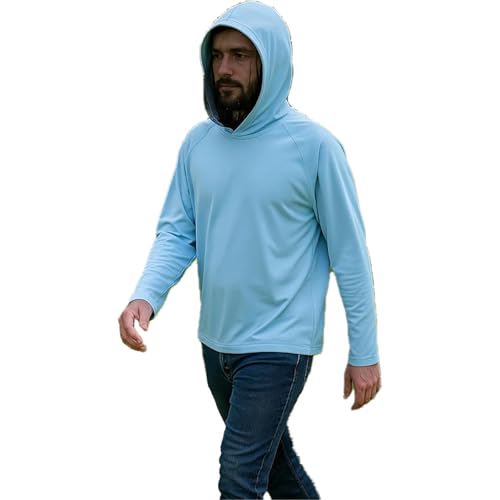
- ✓ Full-face insect protection
- ✓ Breathable and lightweight
- ✓ UPF 50+ sun shield
- ✕ Slightly bulky when packed
- ✕ Mesh can snag on branches
| Material | Ice silk breathable, quick-dry, moisture-wicking fabric |
| UV Protection | UPF 50+ (blocks 98% of UV rays) |
| Face Protection | Retractable black mesh full-face protection |
| Hood & Cuffs | Adjustable hood with full coverage and elastic cuffs |
| Insect Protection | Full coverage against insects with mesh face guard and fabric |
| Intended Use | Suitable for hiking, camping, fishing, gardening, and outdoor travel |
You’re standing in the middle of a summer hike, swatting at bugs that seem to invade every inch of your skin. You wish there was a way to stay cool and protected without feeling like you’re suffocating or covered in heavy gear.
This jacket changed that game. The built-in retractable mesh is a game-changer—when bugs are buzzing, you can simply pull it out for full-face coverage, then tuck it away when the coast is clear.
It’s like having a bug shield that disappears when you don’t need it.
The UPF 50+ fabric is a real plus. I tested it on a blazing sunny day, and my skin felt protected without overheating.
The ice silk material is breathable and quick-drying, so I never felt sticky or weighed down, even after hours outside.
The full-coverage hood and elastic cuffs keep the sun and insects off your skin, while the lightweight design means it doesn’t add bulk to your pack or your outfit. It’s comfortable enough for long walks, fishing, or even gardening on hot days.
What I really appreciated is how versatile it is—men and women can both wear it comfortably. It’s perfect for packing into a bug-out bag or keeping in your car for outdoor adventures.
Overall, it’s a smart, practical choice that solves the common frustrations of bug and sun protection in one sleek package.
Shark Shooter D Mosquito Jacket Suit Men & Women 11E-MJ001

- ✓ Very breathable mesh fabric
- ✓ Full face coverage
- ✓ Lightweight and packable
- ✕ One size may not fit all
- ✕ Limited to mild weather
| Material | High-density polyester mesh yarn |
| Mesh Density | 756 holes per square inch |
| Design | One-piece full face hood with elasticized drawstring waist and cuffs |
| Weight | Super light and soft, easily portable in pocket |
| Intended Use | Suitable for outdoor activities such as hunting, fishing, hiking, and traveling |
| Color | Brown |
Unzipping the Shark Shooter D Mosquito Jacket Suit for the first time, I immediately notice how light it feels in your hand. The high-density polyester mesh has a silky, almost soft texture that’s gentle against your skin.
It’s surprisingly breathable, even in warmer weather, thanks to the fine mesh with 756 holes per square inch.
Putting it on, I appreciate the full face hood and elastic drawstring waist that give a snug, customizable fit. The brown color looks rugged and blends well with outdoor environments.
The one-piece design makes it easy to slip on quickly, which is a huge plus when you’re setting up in the wild or just trying to keep bugs at bay.
The mesh is super fine, small enough to keep out tiny gnats and mosquitoes without feeling stuffy. I tested it during a late evening walk, and I could feel the breeze passing through while insects stayed outside.
It’s lightweight enough to fold into your pocket, making it ideal for a bug-out bag or spontaneous outdoor adventures.
The cuffs and waist are elasticized, so it stays in place without constricting. I also liked the full coverage—it really protects your neck and face without needing an additional net.
Overall, it’s a practical, comfortable piece that handles the bug problem without sacrificing ventilation or freedom of movement.
If you’re after a reliable, easy-to-pack bug jacket, this one hits the mark. It’s durable, breathable, and well-designed for outdoor use.
Just keep in mind, it’s one size fits all, so check the fit if you’re on the taller side.
What Are the Essential Features of the Best Jacket for a Bug Out Bag?
The best jacket for a bug out bag should combine functionality, durability, and versatility to ensure preparedness in various situations.
- Weather Resistance: A jacket that is waterproof or water-resistant is crucial for keeping you dry in wet conditions. Look for materials like Gore-Tex or similar fabrics that can withstand heavy rain while still allowing breathability.
- Insulation: Depending on the climate, an insulated jacket can provide warmth during cold weather. Options like down or synthetic insulation are excellent for retaining heat without adding significant bulk, making it easier to pack.
- Pockets and Storage: Ample pocket space is essential for storing essential items like tools, maps, or snacks. Consider jackets with both internal and external pockets that are secure and easily accessible, ensuring you can reach your gear quickly.
- Durability: A bug out jacket should be made from rugged materials that can resist wear and tear. Look for reinforced seams and high-denier fabrics that can withstand the rigors of outdoor adventures and potential emergencies.
- Adjustability: Features like adjustable cuffs, hems, and hoods allow for a customizable fit and increased comfort. This also helps in keeping out the elements and ensuring that the jacket fits well over other layers.
- Lightweight and Packable: A lightweight jacket is easier to carry and can be packed away neatly in your bug out bag. Many jackets are designed to compress into their own pocket or a small pouch, making them convenient for storage.
- Versatility: The best jacket should be suitable for a variety of activities, from hiking to urban survival. Look for designs that allow for layering and are functional enough to transition from outdoor to everyday wear.
How Does Weather Resistance Impact the Effectiveness of a Bug Out Jacket?
The effectiveness of a bug out jacket is significantly influenced by its weather resistance capabilities, which can be categorized into several key aspects:
- Water Resistance: A bug out jacket that offers water resistance helps keep the wearer dry in rainy conditions, preventing hypothermia and maintaining body heat. This feature is essential for survival situations where prolonged exposure to moisture can lead to serious health risks and reduced mobility.
- Wind Resistance: Jackets designed to resist wind are crucial in maintaining warmth and comfort during harsh weather conditions. Wind can rapidly cool the body, so a windproof jacket helps trap body heat and protect against chilling gusts, making it an essential component for outdoor survival.
- Breathability: A jacket that balances weather resistance with breathability allows moisture and sweat to escape while keeping external elements out. This feature is important for comfort during physical activities, as it prevents overheating and keeps the wearer dry from perspiration.
- Insulation: The insulation of a bug out jacket impacts its effectiveness in cold weather situations. A well-insulated jacket retains body heat while providing a barrier against cold air, which is vital for maintaining core temperature during emergencies where shelter may not be readily available.
- Durability: The materials used in a bug out jacket should be durable enough to withstand rough conditions and wear over time. A jacket that can endure abrasions, tears, and other forms of damage ensures that it remains functional when it’s needed most, enhancing its overall effectiveness in survival scenarios.
- Packability: A bug out jacket that is lightweight and packable can be easily stored in a bug out bag without taking up too much space. This practicality allows for quick deployment when conditions change suddenly, making it a versatile and essential piece of survival gear.
Why Is Weight and Packability Important in a Bug Out Jacket?
Weight and packability are critical factors to consider when selecting the best jacket for a bug-out bag due to their direct impact on mobility, comfort, and preparedness.
-
Weight: A lightweight jacket allows for easy movement, which is essential during potential emergency situations. Heavier jackets can hinder agility and lead to fatigue, making it challenging to navigate through obstacles or travel long distances. Keeping your gear lightweight can enhance your overall stamina, especially when you may be carrying additional supplies.
-
Packability: A jacket that can be easily compressed and stowed in a bug-out bag maximizes space efficiency. Ideally, a bug-out jacket should fold into a manageable size, allowing for quick access without overwhelming your pack. Jackets designed for packability often come with a stuff sack or built-in pocket for convenient storage.
In addition to these practical considerations, a well-chosen jacket should feature weather-resistant materials to protect against unexpected conditions, adding another layer of versatility for survival situations.
What Materials Should Be Considered for a Bug Out Jacket?
The best materials for a bug out jacket prioritize durability, weather resistance, and comfort.
- Ripstop Nylon: This lightweight material is known for its exceptional durability and resistance to tearing. It features a grid pattern that reinforces the fabric, making it ideal for outdoor use where rugged conditions may be encountered.
- Gore-Tex: Widely recognized for its waterproof and breathable properties, Gore-Tex keeps you dry while allowing moisture to escape. This is crucial in a bug out situation where you may encounter rain or wet conditions, ensuring comfort during extended wear.
- Fleece: Often used as insulation, fleece is soft, lightweight, and provides excellent thermal efficiency. It can be layered under a waterproof shell jacket to offer warmth without adding excessive bulk.
- Polyester: This synthetic fabric is resistant to shrinking and stretching, making it a durable choice for outdoor jackets. Polyester also dries quickly, which is beneficial if you encounter wet conditions unexpectedly.
- Canvas: A heavy-duty fabric that offers exceptional durability and abrasion resistance, canvas is often used in outdoor gear. While it is heavier than other materials, it provides excellent protection against physical wear and tear.
- Softshell Fabric: Combining the benefits of both insulation and water resistance, softshell fabric is stretchy and breathable. It allows for a full range of motion, making it suitable for activities that require agility and comfort in varying weather conditions.
- Windbreaker Material: Lightweight and designed to resist wind, this material is essential for maintaining body heat in windy conditions. It can be an excellent outer layer in a bug out scenario when you need to stay warm without adding bulk.
Which Types of Jackets Are Most Suitable for Bug Out Scenarios?
The best jackets for bug out scenarios are those that offer versatility, durability, and protection from the elements.
- Softshell Jacket: These jackets provide a balance between comfort and weather resistance, making them ideal for active situations.
- Hardshell Jacket: Designed to withstand heavy rain and wind, hardshell jackets are essential for harsh weather conditions during a bug out.
- Insulated Jacket: In colder climates, an insulated jacket is crucial for retaining body heat while being lightweight enough to pack easily.
- Multi-Pocket Tactical Jacket: Tactical jackets often feature multiple pockets for storage, allowing you to carry essential gear and tools efficiently.
- Fleece Jacket: A fleece jacket serves as a great mid-layer for insulation and can be used on its own in mild conditions.
Softshell jackets are typically made of stretchy, breathable materials that repel water and wind while allowing for freedom of movement. They are great for dynamic activities such as hiking or running, making them a solid choice for bug out scenarios where agility is key.
Hardshell jackets, on the other hand, are constructed from waterproof and windproof materials, providing excellent protection against the elements. They are often heavier and less breathable than softshells but are necessary for extreme conditions where staying dry is paramount.
Insulated jackets come with added warmth, using materials like down or synthetic insulation to keep you warm in cold environments. They can be bulkier but are essential for maintaining body temperature when you may be exposed to the elements for extended periods.
Multi-pocket tactical jackets are designed with practicality in mind, featuring various pockets for easy access to essential items like maps, tools, and first aid supplies. Their rugged design often complements outdoor gear, making them a favorite among survivalists.
Fleece jackets are lightweight and provide excellent warmth, making them versatile for layering under other jackets or wearing alone in milder weather. They are also easy to pack and dry quickly, making them a convenient option for bug out bags.
Are Rain Jackets a Good Choice for Bug Out Situations?
Rain jackets can be an essential component of a bug out bag due to their protection against the elements and lightweight design.
- Waterproof Material: A rain jacket made from waterproof materials like Gore-Tex or nylon can keep you dry during unexpected downpours. These materials not only repel water but also allow for breathability, preventing overheating during physical activity.
- Lightweight and Packable: The best jackets for bug out bags are often lightweight and can be easily packed into a small size. This feature allows for convenient storage in a bug out bag without adding unnecessary weight, making it easier to carry during an emergency.
- Durability: A sturdy rain jacket should be able to withstand rough conditions and resist wear and tear. Look for reinforced seams and high-quality zippers to ensure longevity, especially when navigating through dense forests or rugged terrain.
- Versatile Features: Many rain jackets come with features like adjustable hoods, cuffs, and hem, as well as ventilation zippers. These elements enhance comfort and adaptability, allowing you to modify the jacket based on weather conditions and personal preference.
- Visibility: Brightly colored rain jackets can enhance visibility in low-light conditions, which is crucial during emergencies. A jacket with reflective elements can increase safety by making you more noticeable to others, especially in survival situations.
How Do Insulated Jackets Perform in Emergency Preparedness?
Insulated jackets are essential components of an emergency preparedness kit, particularly for a bug-out bag, due to their ability to provide warmth and protection in adverse conditions.
- Material: The insulation material used in jackets can greatly affect warmth retention and weight.
- Water Resistance: A water-resistant or waterproof outer layer is crucial for keeping you dry in wet environments.
- Packed Size: The ability to compress the jacket into a small size is important for convenience and space management in a bug-out bag.
- Durability: The durability of the jacket ensures it can withstand rugged conditions and prolonged use.
- Mobility: A jacket that allows for easy movement is essential during emergencies when quick actions may be required.
Material: Insulated jackets are typically made from materials like down, synthetic fibers, or a combination of both. Down jackets provide excellent warmth-to-weight ratios but can lose insulation properties when wet, while synthetic insulation retains warmth even when damp, making it a practical choice for variable weather conditions.
Water Resistance: Many insulated jackets feature water-resistant coatings or materials that can help repel moisture, keeping you dry and warm. This is especially important in emergency situations where exposure to rain or snow can lead to rapid heat loss and hypothermia.
Packed Size: A compact jacket is advantageous for a bug-out bag since it allows for easy storage and transport. Many insulated jackets can be packed into their own pockets or built with compression features, making them less cumbersome to carry when not in use.
Durability: The construction quality and materials used in insulated jackets determine their longevity. Jackets made with robust fabrics and reinforced seams are less likely to tear or wear out quickly, ensuring they remain effective throughout an emergency.
Mobility: A well-designed insulated jacket should offer a balance between warmth and freedom of movement. Features such as articulated sleeves, adjustable cuffs, and a flexible fit allow for a full range of motion, which is essential when you need to act swiftly in emergency situations.
What Are the Advantages of Multi-Functional Jackets in Bug Out Bags?
The advantages of multi-functional jackets in bug out bags are numerous and can significantly enhance preparedness and versatility.
- Weather Resistance: Multi-functional jackets often feature water-resistant or waterproof materials that keep the wearer dry in adverse weather conditions. This is crucial during emergencies when staying dry can prevent hypothermia and maintain body temperature.
- Insulation: Many of these jackets come with insulation properties that provide warmth in cold conditions. This is particularly important for bug out situations where temperatures can drop unexpectedly, making it essential to retain body heat.
- Lightweight and Packable: A good multi-functional jacket is typically lightweight and can be easily packed into a bug out bag without taking up much space. This ensures that you can carry essential gear without being burdened by heavy clothing.
- Versatility: These jackets often have features such as removable layers, adjustable hoods, and pockets for storage, making them adaptable for various situations. This versatility allows for modifications based on weather changes or specific activities you may face during a bug out scenario.
- Durability: High-quality materials used in multi-functional jackets contribute to their durability, ensuring they withstand rugged conditions and extensive use. A durable jacket is an essential investment for any survival situation, as it can endure wear and tear over time.
- Camouflage Options: Some multi-functional jackets come in camouflage patterns, which can be beneficial for blending into natural surroundings during a bug out. This feature can enhance stealth and safety when navigating through unfamiliar territories.
- Storage Solutions: Many jackets include multiple pockets designed for carrying essential gear, such as maps, tools, or emergency supplies. This feature allows for easy access to items without the need to dig through a packed bag, promoting efficiency in critical situations.
What Key Considerations Should You Make When Selecting a Bug Out Jacket?
When selecting the best jacket for a bug out bag, several key considerations come into play to ensure you choose a functional and reliable piece of gear.
- Weather Resistance: A good bug out jacket should be weather-resistant, ideally waterproof or water-repellent, to protect you from the elements. Look for materials like Gore-Tex or similar fabrics that provide a barrier against rain and wind while still allowing breathability.
- Pockets and Storage: Ample pockets are essential for easy access to gear and supplies. Consider jackets with multiple secure pockets, including interior pockets for valuables and exterior pockets for quick access to items you may need on the go.
- Durability: The jacket should be made from high-quality, durable materials that can withstand wear and tear from outdoor activities. Fabrics like nylon or ripstop can enhance longevity, especially when exposed to rough environments.
- Weight and Packability: A lightweight jacket that can be easily packed into a bug out bag is important for mobility. Look for jackets that can be compressed into a small pouch or have features like a stowable hood for convenience during travel.
- Insulation: Depending on the climate you are preparing for, consider whether you need an insulated jacket or a lighter option. Insulated jackets provide warmth in colder conditions, while lighter jackets may be appropriate for milder climates or layered under other gear.
- Fit and Mobility: The jacket should allow for a full range of motion, especially if you plan to engage in physical activities. A well-fitted jacket that accommodates layering without being too tight will ensure comfort while navigating challenging terrains.
- Camouflage or Color: Depending on your situation, the color and pattern of the jacket might be important for blending into the environment. Neutral colors or camouflage patterns can help you remain inconspicuous in wilderness settings.
- Features and Functionality: Look for additional features such as adjustable cuffs, hoods, and ventilation zippers that can enhance comfort and utility. Reflective strips for visibility in low light conditions or built-in emergency gear can also be beneficial.
How Can You Ensure the Right Fit and Size for a Bug Out Jacket?
When selecting a jacket for your bug out bag, ensuring the right fit and size is essential for mobility and comfort. Here are some considerations to guide your choice:
-
Measure Carefully: Take your measurements while wearing the clothing you typically plan to layer underneath your bug out jacket. Key measurements include chest, waist, and sleeve length.
-
Check Size Charts: Different brands have varying size standards. Always refer to each brand’s specific size chart before purchasing.
-
Layering Considerations: A bug out jacket should allow enough room for layering. Look for jackets that offer a relaxed fit, ensuring you can easily wear thermal layers or additional clothing underneath.
-
Try Before You Buy: If possible, try on jackets in-store. Move your arms and simulate activities like crouching or reaching to ensure the jacket doesn’t restrict your movement or feel too tight.
-
Adjustable Features: Opt for jackets with adjustable cuffs, hems, and hoods. These can help customize the fit and provide better insulation and protection against the elements.
Selecting the appropriate size and fit will enhance comfort and functionality during emergencies or extended outdoor activities.
Why Is Color and Camouflage Important for a Bug Out Jacket?
Color and camouflage are crucial for a bug out jacket because they enhance the wearer’s ability to blend into various environments, thereby increasing safety and reducing visibility to potential threats.
According to a study published in the journal “Ecological Applications,” animals that effectively use camouflage experience lower predation rates. This principle applies to humans in survival situations, where minimizing visibility can help avoid detection by both wildlife and other people. The right color and pattern can significantly decrease the chances of being spotted in natural settings, making it a vital consideration for anyone choosing the best jacket for a bug out bag.
The underlying mechanism is rooted in the science of visual perception and environmental adaptation. Different environments, such as forests, deserts, or urban areas, have specific color palettes and textures. A jacket designed with colors that mimic the surrounding landscape disrupts the outline of the wearer and allows them to remain undetected. This concept, known as disruptive coloration, is utilized by many species in nature and has been adapted by humans in tactical gear, as indicated by research from the Journal of Field Ornithology, which discusses how color patterns can influence the visibility of animals in different habitats.
Furthermore, the psychological aspect of color cannot be overlooked. Dark colors may evoke feelings of stealth and security, while brighter colors can attract attention. The choice of color for a bug out jacket also reflects the user’s intent and the potential threats in their environment, as supported by findings in the “Journal of Environmental Psychology,” which highlight how perception of color affects emotional responses and behaviors in survival contexts. Thus, the combination of effective camouflage and the psychological implications of color plays a significant role in the functionality of a bug out jacket.
How Should You Maintain and Care for Your Bug Out Jacket?
To effectively maintain and care for your bug out jacket, consider the following key practices:
- Regular Cleaning: Keeping your jacket clean is essential to maintain its functionality and lifespan.
- Waterproofing Treatments: Regularly apply waterproofing treatments to ensure your jacket remains water-resistant.
- Proper Storage: Store your jacket in a cool, dry place when not in use to prevent damage and degradation.
- Inspect for Damage: Regularly inspect your jacket for any signs of wear and tear to address issues before they worsen.
- Follow Care Instructions: Adhere to the manufacturer’s care instructions for washing and drying to preserve the jacket’s materials.
Regular Cleaning: Dirt and grime can accumulate on your bug out jacket, impacting its performance. Use a gentle detergent and follow the cleaning instructions specific to the fabric to avoid damaging any waterproof or breathable membranes.
Waterproofing Treatments: Over time, the waterproofing capabilities of your jacket may diminish due to wear or washing. Periodically applying a spray-on or wash-in waterproofing treatment can help maintain its protective qualities against rain and moisture.
Proper Storage: When not in use, it’s important to store your jacket properly to extend its usable life. Avoid folding it in a way that creates creases, and instead hang it up or store it in a breathable garment bag to prevent mildew and maintain its shape.
Inspect for Damage: Regular checks for rips, tears, or damaged zippers are crucial to ensure your jacket remains functional and protective. Addressing small issues promptly can prevent them from escalating into larger problems that could compromise the jacket’s performance.
Follow Care Instructions: Every jacket has specific care requirements depending on its materials, so it’s vital to follow the manufacturer’s guidelines. This includes knowing whether it can be machine washed or if it requires hand washing, as well as the appropriate drying methods to avoid damaging the insulation or waterproof layers.
What Are the Best Cleaning and Storage Practices for Bug Out Jackets?
The best cleaning and storage practices for bug out jackets ensure their longevity and readiness for emergencies.
- Regular Cleaning: Keeping the jacket clean is essential to maintain its functionality and appearance.
- Proper Drying: How you dry your bug out jacket can affect its insulation and water resistance.
- Storage in a Cool, Dry Place: Proper storage conditions prevent mildew and damage to the materials.
- Periodic Maintenance Checks: Regularly inspecting the jacket for wear and tear ensures it is always ready for use.
- Reapplying Water-Repellent Treatment: Ensuring the jacket’s water resistance is up to par is crucial for its performance in wet conditions.
Regular Cleaning: Bug out jackets can accumulate dirt, sweat, and oils from your skin, which may degrade the fabric over time. It’s best to follow the manufacturer’s instructions for cleaning, typically involving gentle machine washing or hand washing with mild detergents to preserve the jacket’s integrity.
Proper Drying: After washing, it’s important to dry the jacket correctly to avoid damaging insulation or waterproof coatings. Air drying is often recommended, while tumble drying may be suitable if the care label allows it; using low heat settings is crucial to prevent any heat damage.
Storage in a Cool, Dry Place: Storing your bug out jacket in a cool, dry environment protects it from moisture and temperature extremes that can cause mold, mildew, or degradation of materials. Utilizing breathable garment bags or hanging the jacket can help maintain its shape while keeping it protected from dust and pests.
Periodic Maintenance Checks: Regularly inspecting your jacket for signs of wear, such as fraying seams or damaged zippers, allows you to address issues before they become major problems. This proactive approach not only keeps the jacket functional but also ensures that you won’t face unexpected failures during critical situations.
Reapplying Water-Repellent Treatment: Over time, the water-repellent finish on your bug out jacket may wear off, reducing its effectiveness in wet conditions. Reapplying a durable water repellent (DWR) treatment can restore its water resistance, ensuring that you stay dry and comfortable in adverse weather.
How Frequently Should You Inspect and Replace Your Bug Out Jacket?
When considering the frequency of inspection and replacement for your bug out jacket, various factors play a crucial role in maintaining its effectiveness and durability.
- Regular Inspections: Aim to inspect your bug out jacket at least once every six months to ensure it remains in good condition.
- Seasonal Changes: Depending on the season, you should assess the jacket’s performance after extreme weather events or significant seasonal changes.
- Wear and Tear Signs: Replace your jacket immediately if you notice significant wear and tear, such as tears, broken zippers, or compromised waterproofing.
- Usage Frequency: The more frequently you use your jacket, the more often you should inspect it; consider monthly checks if you wear it regularly.
- Technological Advancements: Stay updated with new materials and technologies; if a significantly better option becomes available, consider replacing your jacket for enhanced performance.
Regular inspections help identify issues before they become problematic, ensuring your jacket is always ready when you need it. Seasonal changes can affect the jacket’s material and functionality, so a thorough check after harsh weather can prevent unexpected failures during emergencies.
Signs of wear and tear are critical indicators of when to replace your jacket; ignoring these signs could leave you unprotected. If you wear your jacket frequently, a monthly check can catch any minor issues early, extending its lifespan.
Lastly, staying informed about advancements in jacket technology can provide opportunities to upgrade to a more efficient and functional piece, which is particularly important for a bug out scenario where performance is essential.
Related Post: