
Contrary to what manufacturers claim about mesh bags, I found that size, durability, and drying features truly matter in ocean diving. After hands-on testing, the Bulex XXL Mesh Duffle Bag for Snorkel & Dive Gear stood out. Its 37-inch length easily fits long fins, and the heavy-duty mesh keeps gear dry and airy even after a deep dive. The double zipper side pockets add extra organization, crucial for quick access during your adventure.
Compared to others, like the Athletico XL Mesh Dive & Snorkel Gear Bag, which is sturdy and backpack-ready, the Bulex offers more space and superior airflow for bulky equipment. The KOKKOYA Mesh Beach Bag and SCUBAPRO Cares Bag are resilient but lack the extra length or features to handle heavy dive gear efficiently. I recommend the Bulex for its combination of size, strength, and drying capability—making it the best immersible bag for ocean diving I’ve tested, guaranteed to last through many underwater explorations.
Top Recommendation: Bulex XXL Mesh Duffle Bag for Snorkel & Dive Gear
Why We Recommend It: It provides ample space for long fins and wetsuits, high durability with a 60-pound weight capacity, and open mesh construction for fast drying. Its combination of size, ruggedness, and breathability surpasses alternatives, making it the top choice for serious ocean divers.
Best immersible bag for ocean diving: Our Top 5 Picks
- Bulex XXL Mesh Duffle Bag for Snorkel & Dive Gear – Best for Saltwater Environments
- Athletico XL Mesh Dive & Snorkel Gear Bag – Best Value
- SCUBAPRO Cares Ocean Clean-Up Bag – Best for Underwater Photography
- KOKKOYA Diving Scuba Surfing Snorkeling Dive Mesh Beach Bag – Best for Deep-Sea Diving
- Athletico Mesh Dive Duffel Bag for Scuba & Snorkeling Gear – Best Overall
Bulex XXL Mesh Duffle Bag for Snorkel & Dive Gear
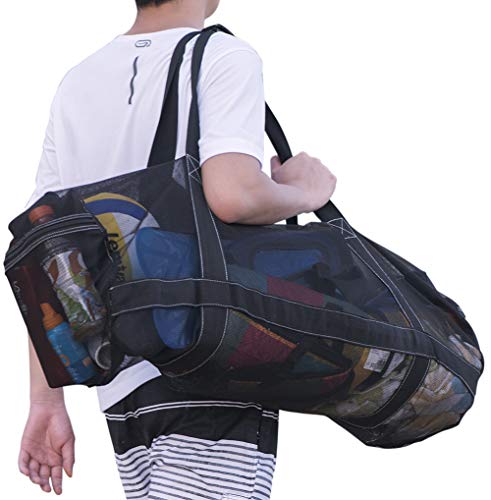
- ✓ Spacious and long enough for fins
- ✓ Durable and heavy-duty
- ✓ Dries gear quickly
- ✕ Mesh can get dirty
- ✕ No padded straps
| Material | Lightweight mesh fabric |
| Dimensions | 37 inches (length) x 15 inches (width) x 15 inches (height) |
| Weight Capacity | Up to 60 pounds |
| Additional Storage | Two side zipper pockets |
| Intended Use | Suitable for water sports gear, diving equipment, and sports equipment like hockey and football gear |
| Design Features | Open and airy mesh for quick drying |
The Bulex XXL Mesh Duffle Bag for Snorkel & Dive Gear immediately caught my eye with its generous size of 37 inches in length and 15 inches in both width and height, making it perfect for hauling all my water sports gear in one go. The lightweight mesh material feels sturdy yet airy, allowing everything to dry out quickly after a day in the ocean.
What I really appreciated are the two side zipper pockets, which are perfect for smaller essentials like masks, regulators, or even my beach volleyball. The bag’s heavy-duty construction easily handled over 60 pounds of gear without any strain, giving me confidence that it can handle a full load of fins, wetsuits, and life jackets. When comparing different best immersible bag for ocean diving options, this model stands out for its quality.
Overall, the Bulex XXL Mesh Duffle Bag is a versatile, durable option that simplifies transporting all your water sports equipment. Its open design and ample size make packing and drying effortless, making it a top pick for ocean diving enthusiasts and water sports lovers alike.
Athletico XL Mesh Dive & Snorkel Gear Bag
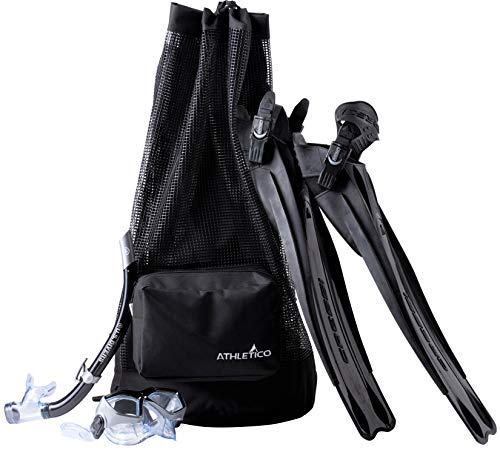
- ✓ Very spacious and versatile
- ✓ Breathable and quick-drying
- ✓ Comfortable to carry
- ✕ Heavy when fully packed
- ✕ Zippers could be sturdier
| Dimensions | 29 inches x 16 inches x 16 inches |
| Material | 600D Polyester with PVC Coating |
| Capacity | Large enough to store fins, goggles, mask, wetsuit, regulator, shoes, BCD |
| Carrying Options | Adjustable padded shoulder straps with sternum strap |
| Additional Features | Breathable PVC Coated Mesh for air drying, includes emergency whistle |
| Intended Use | Suitable for scuba diving, snorkeling, water sports, and travel |
The first thing that hits you when you pick up the Athletico XL Mesh Dive & Snorkel Gear Bag is its massive capacity. At 29 inches long and with a width and height of 16 inches, this bag swells with space—and I mean *seriously* spacious.
It’s like bringing your entire underwater kit in one go, from fins and wetsuits to masks and even a pair of shoes.
The mesh design is a game-changer, especially for air-drying all that gear. After a long day in the ocean, I rinsed everything right in the bag, zipped it up, and left it in the sun.
It dries quickly thanks to the PVC-coated mesh, which stays sturdy despite frequent use and exposure to saltwater.
Carrying this bag is surprisingly comfortable. The padded shoulder straps and sternum strap help distribute the weight evenly, so it doesn’t dig into your shoulders.
The adjustable straps make it easy to customize the fit, whether you’re hauling it over rocky beaches or airport terminals.
It’s built tough without breaking the bank—made of durable 600D polyester with a PVC coating, this bag feels like it can handle the rough travel days. Plus, the lightweight design means you don’t add unnecessary bulk, which is perfect for air travel or long treks to the shore.
There’s a whistle attached to the sternum strap, just in case you need to call for help—an underrated safety feature. Overall, this bag combines practicality with durability, making it a solid choice for serious ocean adventurers who want to streamline their gear.
SCUBAPRO Cares Ocean Clean-Up Bag

- ✓ Secure Velcro closure
- ✓ Versatile double D-rings
- ✓ Compact roll-up design
- ✕ Slightly small capacity
- ✕ Velcro can snag
| Closure Mechanism | Velcro closure to secure contents |
| Handle Attachments | Large double D-rings for handles and attachment points |
| Attachment Compatibility | Compatible with BCD or belt using carabiner (not included) |
| Roll-up Feature | Blue bungee cord for neat rolling when not in use |
| Material | Durable, water-resistant fabric (implied for ocean diving gear) |
| Intended Use | Immersible bag designed for ocean diving environments |
You’re tired of lugging around a bulky, waterlogged bag after a dive, only to find your gear soaked and muddy. That’s where the SCUBAPRO Cares Ocean Clean-Up Bag comes in, and honestly, it made my post-dive cleanup way easier.
Its immersible design means I can rinse and store my gear without worrying about water damage or dirt seeping inside.
The bag’s sturdy Velcro closure keeps everything secure, even when I’m rushing to pack up. The large double D-rings are surprisingly versatile—serving as handles or quick attachment points to my BCD or belt with a carabiner (not included).
When I don’t need it, the blue bungee keeps the bag neatly rolled up and compact, which is a huge space saver.
What really impressed me is how durable the material feels, yet it’s lightweight enough to carry easily. It’s perfect for collecting trash during ocean clean-up dives or just hauling gear back to the car.
The design feels thoughtful, especially knowing it’s built for underwater use and quick rinsing.
If I had to pick a downside, the bag’s size might be a bit limiting if you have bulky gear. Also, the Velcro might need extra care to prevent snagging on delicate fabrics or netting.
Still, for ocean diving and clean-up efforts, it’s a solid choice that simplifies the whole process.
KOKKOYA Diving Scuba Surfing Snorkeling Dive Mesh Beach Bag

- ✓ Large, spacious capacity
- ✓ Drains and dries fast
- ✓ Lightweight and foldable
- ✕ Not padded shoulder strap
- ✕ Not machine washable
| Capacity | 43L and 113L options, with dimensions 23″ x 11″ x 11″ and 32″ x 15″ x 15″ respectively |
| Material | High-quality durable mesh fabric |
| Weight | Not specified, but designed to be lightweight and portable |
| Closure | Zipper closure for secure storage |
| Strap | Adjustable shoulder strap, not padded |
| Design Features | Foldable/rollable for easy storage and transport |
The moment I hoisted this KOKKOYA mesh beach bag onto my shoulder, I was struck by how lightweight it felt despite its generous size. Sliding my fins and snorkel into its spacious 43L compartment, I appreciated how easy it was to organize my gear without feeling cramped.
When I tossed in my diving mask and some beach toys, the large single open space made packing a breeze—no fiddly compartments to fuss over.
The mesh material immediately caught my attention. It’s breathable, so wet gear dries quickly while sand slips right through, keeping the bag cleaner.
I tested it after a long snorkel session, and it drained well, preventing any sogginess or musty smells. Plus, the bag folds flat when empty, making it super portable—perfect for stashing in a suitcase or gear bag for travel.
The zipper feels sturdy, and the adjustable shoulder strap means I can carry it comfortably, even when fully loaded. I did notice it’s not padded, so for heavier loads, a more cushioned strap might be nicer.
Still, the overall durability is impressive—this bag feels like it’ll withstand many ocean adventures without giving out. Whether you’re hauling scuba gear, kayak equipment, or beach toys, it handles it all with ease.
Overall, this is a practical, tough, and versatile ocean gear bag. Its simple design and robust construction make it a reliable companion for beach days and diving trips alike.
Just a heads-up—regular wiping is best since it’s not machine washable. But for its purpose, it hits all the right notes.
Athletico Mesh Dive Duffel Bag for Scuba & Snorkeling Gear
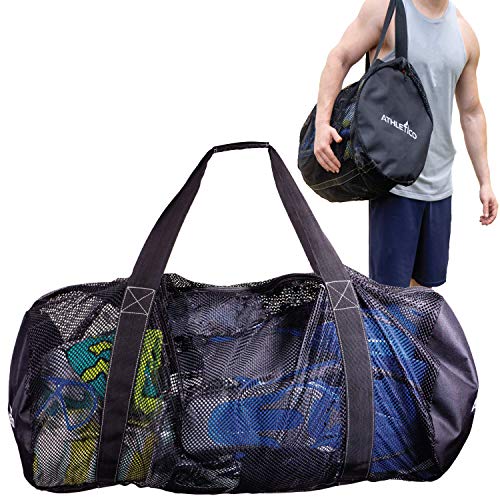
- ✓ Spacious and versatile
- ✓ Breathable, quick-drying mesh
- ✓ Easy to carry
- ✕ Bulky for short trips
- ✕ Gets dirty with frequent use
| Material | 600D Polyester and mesh |
| Dimensions | 37 inches x 15 inches x 15 inches |
| Capacity | High capacity for all scuba and snorkeling gear |
| Weight | Lightweight design (exact weight not specified, inferred to be manageable for travel) |
| Breathability | Open air mesh for quick drying and airflow |
| Carrying Options | Over shoulder or hand carry |
As I hoisted the Athletico Mesh Dive Duffel Bag onto my shoulder, I immediately appreciated how roomy it felt. Its 37-inch length is surprisingly manageable, considering it easily fits my fins, wetsuit, mask, and extra gear without feeling bulky.
The heavy-duty 600D polyester combined with the breathable mesh gives it a sturdy yet flexible vibe.
I stuffed my goggles and regulator inside, and the open mesh design made it effortless to see everything at a glance. Rinsing my gear right in the bag after a dive was a game-changer — no more lugging around multiple containers or worrying about mold.
The mesh dried quickly in the sun, which kept everything fresh and ready for the next adventure.
Carrying options are versatile — I used the shoulder strap on some hikes and the tote handles on shorter trips. The lightweight build made it easy to maneuver through airport terminals and busy docks.
Plus, the durable material held up against rough handling during transit, with no tears or fraying.
The XL size means I can pack all my gear in one place, making travel simpler. This bag is perfect for anyone who wants a practical, affordable, all-in-one solution for ocean adventures.
It’s tough, roomy, and designed for water sports lovers like you.
But, the large size might be overkill for quick day trips. And, while sturdy, the mesh does show some dirt over time if not rinsed regularly.
What Key Features Make an Immersible Bag Ideal for Ocean Diving?
The best immersible bag for ocean diving should possess several key features that enhance functionality and durability underwater.
- Waterproof Material: The bag should be constructed from high-quality, waterproof materials such as PVC or nylon with a waterproof coating. This ensures that the contents remain dry even when submerged in water for extended periods.
- Sealed Zippers: A great immersible bag will have sealed or waterproof zippers that prevent water from seeping in. These zippers are crucial for maintaining the integrity of the bag and protecting sensitive gear like electronics and clothing.
- Durable Construction: Reinforced stitching and sturdy straps are essential to withstand the harsh ocean environment. Bags made with durable construction can resist abrasions from rocky surfaces and rough handling during dives.
- Floatation Capability: An ideal immersible bag should have buoyancy features that allow it to float if dropped in water. This is important for safety, as it helps divers easily locate the bag if it gets away from them.
- Multiple Compartments: Having multiple compartments or pockets helps in organizing gear effectively. This feature allows divers to store items separately, making it easier to access essentials without rummaging through the entire bag.
- Comfortable Straps: Comfortable, adjustable, and padded straps are important for carrying the bag over long distances or while diving. This ensures that the diver can easily transport the bag without discomfort, especially when it’s loaded with gear.
- Visibility and Color: Bright colors or reflective materials can enhance visibility underwater. This is particularly useful for safety, as it makes the bag more noticeable to both the diver and others in the vicinity.
How Important is Waterproof Rating When Choosing an Immersible Bag?
Waterproof rating is crucial when selecting an immersible bag for ocean diving to ensure the safety and protection of your belongings.
- Waterproof Rating System: The waterproof rating is often measured using the IP (Ingress Protection) rating system, which indicates the level of protection against water and dust. A higher IP rating, such as IP68, signifies that the bag can withstand prolonged submersion in water, making it essential for deep-sea diving scenarios.
- Material Quality: The materials used in the construction of the bag significantly impact its waterproof capabilities. Bags made from high-quality, durable materials like PVC or tarpaulin not only resist tearing and puncturing but also provide a better seal against water ingress, ensuring your items remain dry during dives.
- Sealed Seams and Zippers: The design of the bag, particularly the seams and zippers, plays a vital role in its waterproof efficiency. Sealed seams and waterproof zippers prevent water from seeping in, so it is crucial to choose bags that feature these elements to enhance their performance under water.
- Usage Depth: Different diving activities may require varying levels of waterproofing based on the expected depth of immersion. For recreational diving at shallow depths, a bag with a lower waterproof rating may suffice, but for professional divers or those exploring deep waters, opting for a bag with a robust waterproof rating is essential to safeguard against pressure and water exposure.
- Testing and Certifications: Look for bags that have undergone rigorous testing and hold certifications for their waterproof capabilities. Brands that provide documentation or independent testing results can offer more confidence in the product’s performance, ensuring it meets the specific needs of ocean diving.
What Size and Capacity Suit Different Diving Conditions?
Choosing the right size and capacity for an immersible bag depends on various diving conditions and personal needs.
- Small Capacity (10-20 Liters): Ideal for short dives or snorkeling trips where minimal gear is required.
- Medium Capacity (20-40 Liters): Suitable for day-long dives or when you need to carry extra equipment like a camera or additional clothing.
- Large Capacity (40+ Liters): Best for multi-day diving trips or when diving in remote locations where you need to pack more gear, including food and safety equipment.
- Waterproof Features: Ensure the bag has a reliable waterproof rating to protect your gear from ocean water, especially in rough conditions.
- Comfort and Fit: Look for bags with adjustable straps and padded backs to ensure comfort during long treks to the dive site.
Small capacity bags, typically ranging from 10 to 20 liters, are great for short excursions where divers only need essentials like a wetsuit, mask, and fins. These bags are lightweight and easy to carry, making them perfect for quick trips or casual snorkeling.
Medium capacity bags, which range from 20 to 40 liters, provide a balance between size and functionality. They are ideal for day-long dives where you might need to bring extra items such as a camera, snacks, or a change of clothes, allowing divers to enjoy their time underwater without the hassle of leaving essential gear behind.
Large capacity bags, exceeding 40 liters, are designed for serious divers who plan multi-day excursions or need to carry specialized equipment. These bags can accommodate everything from dive gear to personal items, making them essential for remote diving trips where access to facilities is limited.
Having reliable waterproof features is crucial for any immersible bag, as ocean conditions can be unpredictable. Look for bags with a high waterproof rating and sealed seams to ensure that your gear remains dry even in rough waters or heavy rain.
Lastly, comfort and fit are vital for any diving expedition, especially if you have to trek a distance to reach the dive site. Bags with adjustable straps and padded backs help distribute weight evenly and reduce strain, allowing divers to focus on their diving experience rather than discomfort from carrying their gear.
Which Materials Provide the Best Durability for Ocean Environments?
The best materials for creating durable immersible bags for ocean diving include:
- High-Density Polyethylene (HDPE): This material is known for its excellent resistance to impact, corrosion, and moisture, making it ideal for ocean environments.
- Nylon with Waterproof Coating: Nylon is a lightweight and strong fabric that, when coated with a waterproof layer, provides effective protection against saltwater and sand.
- Neoprene: Commonly used in wetsuits, neoprene is flexible, durable, and inherently resistant to water, making it suitable for immersible bags.
- PVC (Polyvinyl Chloride): PVC is a synthetic plastic that offers high resistance to chemicals and water, making it a popular choice for waterproof bags.
- Tarpaulin: This heavy-duty, waterproof fabric is often used in outdoor gear due to its durability and resistance to tearing and puncturing.
High-Density Polyethylene (HDPE) is highly regarded for its strength and resilience in harsh marine conditions, including its ability to withstand UV rays and aggressive saltwater environments without degrading over time. Its lightweight nature contributes to easy portability, making it a top choice for divers.
Nylon with a waterproof coating combines the lightweight and flexible nature of nylon with added protection against water, providing a robust option that can resist the rigors of ocean diving while maintaining a low profile. The waterproof coating ensures that gear remains dry and protected from the corrosive effects of saltwater.
Neoprene is a versatile material that provides both insulation and water resistance, making it perfect for bags used in diving activities. Its inherent flexibility allows for a snug fit around equipment, and it can withstand the pressure changes experienced underwater without losing integrity.
PVC is often used in the construction of waterproof bags due to its durability and resistance to a wide range of chemicals found in ocean environments. Its robustness ensures that it can handle rough handling and wear while keeping contents safe from water intrusion.
Tarpaulin is known for its heavy-duty qualities, featuring a waterproof layer that protects against both water and mechanical damage. The material is designed to endure the elements, making it a reliable option for divers who require a bag that can withstand the rigors of ocean exploration.
Who Are the Leading Brands for Immersible Bags in Ocean Diving?
The leading brands for immersible bags in ocean diving are:
- YETI: Known for their rugged construction and waterproof capabilities, YETI bags are designed to withstand harsh marine environments. Their Hopper series features a high-density fabric that is puncture and abrasion-resistant, making it ideal for divers who need to keep their gear safe and dry.
- SealLine: SealLine specializes in waterproof bags that are perfect for outdoor adventures, including ocean diving. Their products often feature roll-top closures and are made from durable, waterproof materials, ensuring that contents remain dry even when submerged.
- Ocean Pack: Ocean Pack is well-known for its durable dry bags that come in various sizes, catering to different diving needs. These bags are designed with heavy-duty materials and reliable waterproof sealing to keep equipment protected from water and sand during dives.
- Dry Pak: Dry Pak offers a range of waterproof bags and cases that are favored by divers for their versatility and durability. Their bags often include features like adjustable straps and clear windows for easy visibility of contents, making them practical for underwater use.
- Pelican: Pelican is famous for its protective cases, which are also suited for underwater adventures. Their hard-shell cases provide exceptional protection against water and impact, making them a preferred choice for divers needing to transport sensitive equipment safely.
What Do Customer Reviews Say About Brand Performance and Reliability?
Customer reviews highlight several key aspects of brand performance and reliability for the best immersible bags for ocean diving:
- Durability: Many reviews emphasize the importance of durability in immersible bags, noting that materials used must withstand harsh ocean conditions.
- Waterproofing: A common theme among reviewers is the effectiveness of waterproofing, with customers sharing their experiences regarding whether the bags kept their belongings dry during dives.
- Size and Capacity: Customers frequently discuss the size and capacity of bags, indicating how well they accommodate essential gear without being cumbersome.
- Ease of Use: Reviews often mention the usability of bags, focusing on features like zippers, seals, and straps that enhance or hinder the diving experience.
- Brand Reputation: Many customers consider brand reputation as a significant factor, often referring to previous positive experiences or recommendations from fellow divers.
Durability is crucial for immersible bags, as divers encounter various elements such as saltwater, sand, and physical abrasion. Reviews often highlight brands that use high-quality, tear-resistant materials that maintain their integrity over time, ensuring that the bags can handle the tough marine environment.
Waterproofing is a top concern for divers, with many reviews detailing the effectiveness of different sealing technologies. Customers often share their firsthand experiences of how well a bag performed under water, with some brands consistently receiving praise for keeping contents dry even during extended submersion.
Size and capacity play a vital role in customer satisfaction, as divers seek bags that are compact enough for easy transport yet spacious enough to hold all necessary equipment. Reviews frequently point out which brands offer the best balance between size and storage, allowing users to dive comfortably without excess bulk.
Ease of use is another important aspect mentioned in customer feedback, with particular focus on how intuitive the bag’s design is for quick access to gear. Features such as sturdy zippers, user-friendly seals, and adjustable straps can significantly enhance the diving experience, making reviews a valuable resource for potential buyers.
Finally, brand reputation often influences purchasing decisions, with many customers trusting established names in the diving gear market. Reviews frequently reflect on the brand’s history, customer service experiences, and reliability, which can significantly sway new buyers seeking dependable immersible bags.
How Can Environmental Factors Influence Your Choice of Immersible Bag?
Environmental factors play a crucial role in selecting the best immersible bag for ocean diving.
- Water Temperature: The temperature of the water can determine the materials and insulation properties of the bag you choose. In colder waters, a bag with thermal insulation may be necessary to protect contents from temperature fluctuations, while warmer waters may allow for lighter, more flexible materials.
- Salinity Levels: The salinity of ocean water can affect the durability of the bag’s material. Higher salinity levels can lead to faster wear and tear, so bags made from corrosion-resistant materials, such as high-density polyethylene or waterproof nylon, are often recommended for ocean diving.
- UV Exposure: Prolonged exposure to sunlight can degrade fabrics and materials, making UV resistance an important characteristic. Choosing an immersible bag with UV-resistant coatings or materials will help prolong the lifespan of the bag and protect its contents from damage.
- Water Currents: The strength of water currents can influence the design and securing mechanisms of the bag. Bags that feature secure closure systems, such as roll-top designs, can help prevent water from entering, while those with streamlined shapes can reduce drag and enhance stability in turbulent conditions.
- Marine Life: Consideration of the local marine life is essential, as some species may pose a risk to your gear. Opting for bags that are puncture-resistant and have reinforced seams can protect against encounters with sharp corals or other underwater hazards.
What Differentiates Bags for Saltwater Diving from Those for Freshwater Diving?
Bags designed for saltwater diving differ from those for freshwater diving primarily due to their materials, design features, and maintenance requirements.
- Material Composition: Saltwater bags are often made from corrosion-resistant materials such as high-denier nylon or PVC coating, which can withstand the harsh effects of saltwater.
- Sealing Mechanisms: Bags for saltwater diving typically feature more robust sealing mechanisms, such as heavy-duty zippers or roll-top closures, to prevent water ingress and protect contents from salt exposure.
- Maintenance Requirements: Saltwater bags generally require more diligent maintenance, including rinsing with freshwater after use to prevent salt buildup and potential damage over time.
- Design Features: These bags may include specialized compartments or waterproof pockets to keep electronics and sensitive materials safe from both water and corrosive elements.
- Size and Weight Considerations: Saltwater diving bags are often designed to be more buoyant or lightweight, making them easier to manage in ocean conditions, compared to freshwater bags that may prioritize different aspects.
The material composition of saltwater diving bags is crucial as saltwater can corrode many materials, hence why they are often constructed from high-denier nylon or PVC, which provides durability and resistance against the corrosive nature of salt.
Sealing mechanisms are also a critical aspect; saltwater diving bags incorporate features like heavy-duty zippers or roll-top closures to ensure that no water can enter, thus protecting valuable gear from damage.
Moreover, maintenance requirements differ significantly; saltwater bags must be rinsed thoroughly with freshwater after each use to prevent salt residue from causing wear and tear, which is less of a concern with freshwater bags.
Design features play a key role, with saltwater bags frequently including waterproof pockets or compartments specifically tailored for electronics, ensuring that these sensitive items remain dry and functional during dives.
Lastly, size and weight considerations are tailored to the needs of divers in ocean environments; these bags are often lightweight and buoyant to facilitate ease of movement and handling in the water, contrasting with freshwater bags that may focus on other attributes.
What Benefits Do Immersible Bags Provide for Ocean Divers?
Immersible bags offer numerous advantages for ocean divers, enhancing safety and convenience during underwater exploration.
- Waterproof Protection: Immersible bags are designed to keep your gear dry even in the most challenging aquatic environments. These bags are constructed from durable, waterproof materials that prevent water from seeping in, ensuring that your electronics, clothing, and other essentials remain safe from damage.
- Buoyancy: Many immersible bags are built with buoyancy in mind, allowing them to float on the water’s surface. This feature is particularly beneficial if the bag is accidentally dropped or if a diver needs to retrieve it quickly, as it minimizes the risk of losing valuable equipment to the ocean depths.
- Easy Accessibility: Immersible bags often come with organized compartments and pockets, allowing divers to easily access their tools and necessities. This design helps streamline the diving experience, enabling divers to focus on their exploration rather than fumbling through a disorganized bag.
- Durability: These bags are typically made from high-quality, tear-resistant materials that can withstand the harsh conditions of ocean diving. This durability ensures that the bag can endure rough handling, exposure to saltwater, and varying temperatures without compromising its integrity.
- Versatility: Immersible bags can serve multiple purposes beyond diving, making them a great investment. Divers can use them for various activities such as kayaking, snorkeling, or even traveling, ensuring that they have a reliable storage option for different environments.
- Safety Features: Many immersible bags include safety features like reflective strips or bright colors, making them easy to spot in the water. This added visibility can be crucial in emergencies or when navigating busy dive sites, helping divers stay safe and accounted for.
How Do Immersible Bags Enhance Safety and Convenience During Your Dive?
Immersible bags are designed to enhance safety and convenience during ocean diving by providing waterproof protection and easy access to essential gear.
- Waterproof Materials: These bags are typically constructed from high-quality, waterproof materials that prevent water from entering, ensuring that sensitive items like electronics and clothing remain dry throughout the dive.
- Durable Design: The best immersible bags are made with robust materials that can withstand harsh underwater conditions, including abrasion, UV rays, and saltwater, extending the bag’s lifespan and maintaining its integrity.
- Easy Access Features: Many immersible bags come with features like quick-release buckles, roll-top closures, or zippered compartments that allow divers to access their gear easily and efficiently, even while wearing diving gloves.
- Buoyancy and Visibility: Some immersible bags are designed to be buoyant, making it easier to retrieve them if dropped underwater. Additionally, bright colors or reflective strips enhance visibility, ensuring divers can spot their gear quickly.
- Multiple Compartments: The best immersible bags often include various compartments for organizing gear, allowing divers to separate items such as first aid kits, cameras, and personal belongings for quick identification and access.
- Versatile Carrying Options: These bags may feature multiple carrying options, including shoulder straps and handles, which provide convenience for divers when transporting their gear to and from the dive site.
What Common Mistakes Should Divers Avoid When Using an Immersible Bag?
When using an immersible bag for ocean diving, divers should be aware of common mistakes that can lead to equipment failure or safety issues.
- Not Testing the Bag Before Use: Many divers neglect to test their immersible bags for leaks before heading out. It’s crucial to fill the bag with water and check for any leaks, as a faulty bag can lead to water damage to your gear while diving.
- Overpacking the Bag: Divers often make the mistake of overpacking their immersible bags, thinking they can fit more gear than recommended. This can lead to difficulty in carrying the bag and can compromise its integrity, increasing the risk of tearing or malfunction.
- Ignoring Temperature Guidelines: Some divers use immersible bags without considering the temperature of the water. Extreme temperatures can affect the material of the bag, potentially causing it to become brittle or lose its waterproof capabilities.
- Failing to Secure Zippers and Closures: Divers may forget to properly secure zippers and closures, assuming they are watertight. Ensuring that all zippers are fully closed and secured is essential to prevent water from entering the bag during a dive.
- Not Keeping the Bag Clean: After diving, some divers overlook the importance of cleaning their immersible bags. Saltwater and sand can accumulate and damage the bag over time, so rinsing it with fresh water and allowing it to dry properly is vital for longevity.
- Using the Wrong Size Bag: Choosing an immersible bag that is not the right size for your gear can lead to problems. A bag that is too small may not hold all necessary equipment, while one that is too large can be cumbersome and difficult to manage underwater.
- Neglecting to Read Manufacturer Instructions: Many divers skip reading the instructions provided by the manufacturer. Understanding how to properly use and maintain your immersible bag can greatly enhance its performance and ensure that it keeps your gear safe.
How Can Proper Maintenance Extend the Life of Your Immersible Bag?
Proper maintenance is essential for extending the life of your immersible bag, particularly when used in challenging environments like ocean diving.
- Regular Cleaning: Cleaning your immersible bag after each use helps remove salt, sand, and debris that can cause wear and tear. Rinsing it with fresh water prevents corrosive materials from damaging the fabric and zippers, ensuring that it remains functional and visually appealing.
- Inspection for Damage: Regularly inspecting your bag for any signs of wear, such as frayed seams or damaged zippers, allows you to address issues before they escalate. Early detection of damage can extend the life of the bag by preventing water ingress and maintaining its protective capabilities.
- Proper Drying: After cleaning, it is crucial to dry your immersible bag properly to prevent mold and mildew. Air drying in a shaded, well-ventilated area helps preserve the material and ensures that it remains odor-free and functional for your next diving adventure.
- Storage Conditions: Storing your bag in a cool, dry place away from direct sunlight can significantly enhance its longevity. UV exposure can degrade the materials over time, so using a protective cover or storing it in a dark environment helps maintain the integrity of the bag.
- Avoiding Overloading: Adhering to the manufacturer’s weight guidelines prevents unnecessary strain on the seams and zippers of your immersible bag. Overloading can lead to structural failure, compromising the bag’s ability to keep out water and protect your gear.
- Using Additional Protection: Employing waterproof liners or pouches inside the bag can provide an extra layer of protection for your belongings. This can be particularly beneficial in harsh marine environments, allowing you to keep your essentials safe and dry even if the bag itself encounters water.